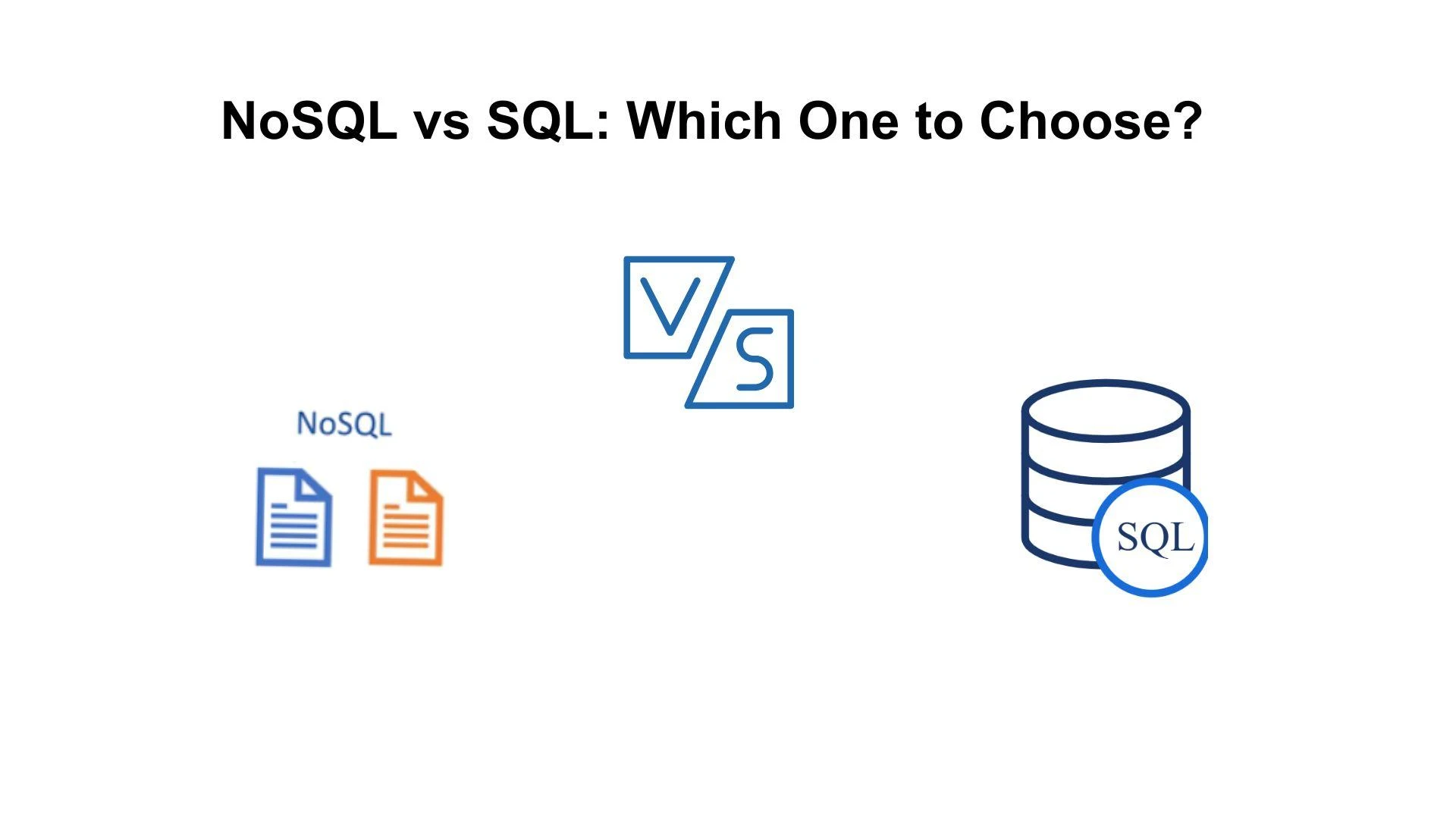

If you're diving into a .NET project, one of the biggest decisions you'll initially face is whether to use NoSQL or SQL databases. Both are robust and idiosyncratic, so it's valuable to have an understanding of the distinction between NoSQL and SQL before making your decision.
Consider it as selecting the right tool for the job. Choosing the wrong one could make your project move more slowly, be harder to work with, or be expensive to scale. So, let us make it easy for you.
What is NoSQL?
NoSQL databases are quite flexible. Whereas standard databases store data in neatly organized tables, NoSQL gives you the flexibility to store data in any type of shape, like documents, key-value pairs, or even graphs.
This is the reason why NoSQL is such a great option if your data keeps changing all the time or can't be easily mapped to rows and columns. For example, social media apps, real-time analytics, or Internet of Things platforms are typically built on NoSQL because it can handle large volumes of data and scale seamlessly as you bring on more users.
We've all heard of popular NoSQL databases like MongoDB and Cassandra. One of the big benefits? NoSQL scales out across many servers, which means that as your app grows, your database can grow with it.
What is SQL?
SQL databases have existed for many years and rely on a more formal approach. They store data in tables with clearly defined rows and columns, so the data has to fit into a strict format.
This organization is perfect if you need your data to be highly structured and uniform — banking software, stock monitoring, or any application where accuracy is paramount.
SQL databases use a language called SQL to run advanced queries and store your data firmly. Some examples include Microsoft SQL Server and MySQL.
When Would You Use SQL in Your .NET Application?
Use SQL if your app needs to:
- Manage complicated queries and data relationships
- Keep data consistent and safe at all times
- Handle transactional operations (e.g., money transactions)
If structure and precision are most important, SQL is usually the better choice.
When is NoSQL a Better Choice?
Select NoSQL if your project:
- Processes large amounts of unstructured or ever-changing data
- Requires processing a lot of users concurrently without becoming slow
- Must scale quickly across numerous servers
Applications like content management systems or social media often use NoSQL because of this flexibility.
Quick Comparison: NoSQL vs SQL
Understanding the difference between NoSQL and SQL is essential when choosing the right database for your project. The points above highlight how they differ in structure, scalability, and use cases.
1. Data Structure
- SQL stores data in clear tables using rows and columns. It follows a fixed format.
- NoSQL is more flexible and can handle different types of data like documents, key-value formats, or graphs without a fixed structure.
2. Scalability
- SQL works best when you upgrade the same server to handle more traffic or data.
- NoSQL is built to grow by adding more servers, which is better for fast-growing apps.
3. Transactions and Consistency
- SQL handles transactions very well and keeps your data safe and consistent every time.
- NoSQL is quicker and more flexible, but updates may take a moment to show across all systems.
4. Query Language
- SQL uses a standard, structured language (SQL) that’s the same across all SQL databases.
- NoSQL doesn’t use one single language, it depends on the database (like MongoDB, Redis, etc.).
5. Best Use Cases
- SQL is ideal for banking systems, payment apps, and anything that needs strict and reliable data.
- NoSQL works best for social platforms, real-time applications, or projects where the data keeps changing.
Need Help Deciding?
Choosing NoSQL or SQL is just what your app needs now and how it could evolve in the future. If you ever have second thoughts, it's always best to employ a professional .NET development company. They will help you make the right database decision so that your app will run smoothly without headaches in the future.
Final Thoughts:
There is no one-size-fits-all response to the NoSQL or SQL debate in .NET applications. Both have their advantages, and your best choice depends on your project's specific data, size, and performance needs.
Understanding the difference between NoSQL and SQL keeps you from making costly mistakes and continues to let you build an app that works well today and tomorrow.




















Sign in to leave a comment.