


Immigration processes often involve a large amount of paperwork, and some documents may need to be notarised or authenticated before they can be accepted by an overseas authority. Whether you are applying for a visa, residency, citizenship, or preparing documents for a family member, understanding the requirements in advance can help prevent unnecessary delays.
When Do Immigration Documents Need Notarisation?
Not every immigration document automatically requires notarisation. The requirement usually depends on the country, immigration authority, embassy, or organisation receiving the document.
Documents that may require notarisation can include affidavits, declarations, powers of attorney, certified copies of identification, educational documents, and various supporting documents. Always check the instructions provided by the relevant authority before arranging an appointment.
Understanding Electronic Notarisation
Electronic Notarisation can offer a convenient option when the relevant authority accepts documents completed through an electronic or remote process. Depending on the circumstances, certain documents may be reviewed, signed, and notarised electronically.
However, acceptance varies between countries and institutions. Some authorities may require an original document or an in-person appointment. Confirming the requirements beforehand is therefore important to ensure the completed document can be used for its intended purpose.
Notarisation and Document Authentication
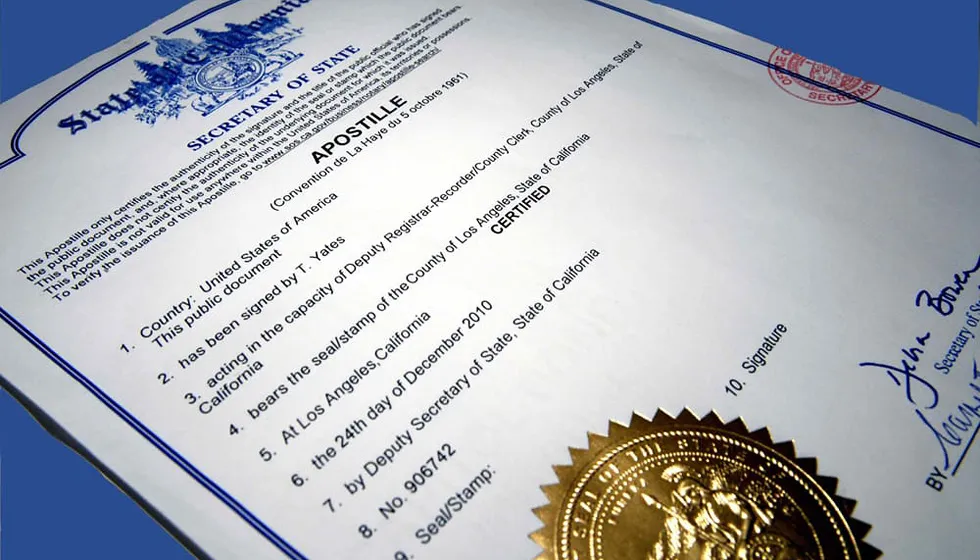
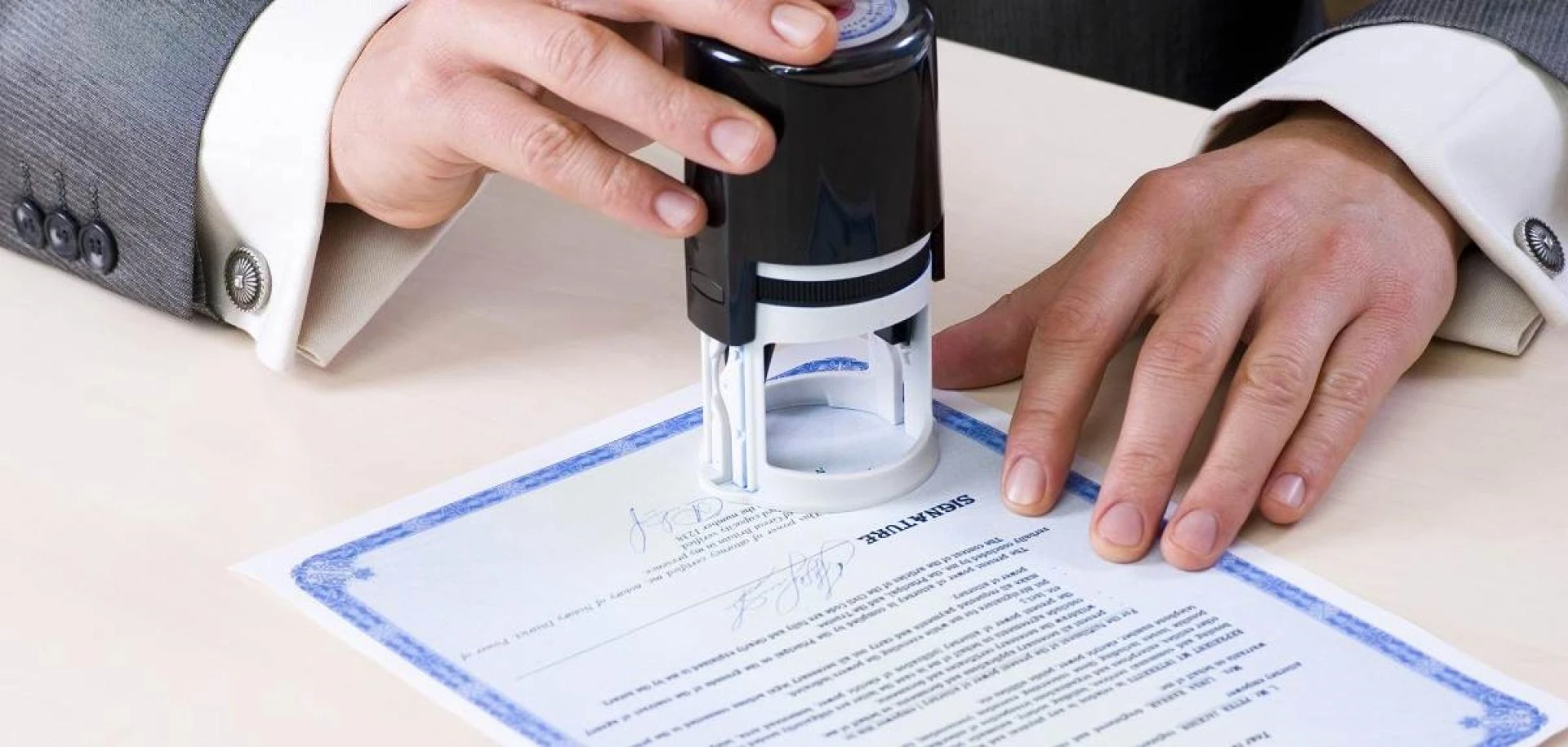
Notarisation and authentication are not always the same thing. A notary may verify identity, witness a signature, certify certain documents, or prepare a notarial certificate. After that, an additional authentication process may sometimes be necessary.
The exact procedure depends on where the document will be used. Understanding the complete process before signing can help you avoid having to repeat steps later.
Document Legalisation in Canary Wharf
If you require Document Legalisation Canary Wharf, the first step is to establish what the receiving country or organisation expects. Depending on the destination, a document may require notarisation followed by an apostille or further consular legalisation.
Instructions from an overseas lawyer, embassy, immigration authority, university, or employer can be particularly helpful. Providing these requirements in advance allows the correct authentication route to be considered before the document is completed.
Urgent Immigration Documents
Immigration applications can sometimes involve strict deadlines, particularly when additional documents are requested at short notice. In these situations, arranging professional assistance quickly can make the process easier to manage.
For clients working with urgent deadlines, Same-Day Notary Canary Wharf services may provide a convenient option when an appointment is available. Even when a document is needed urgently, it is important to check all details carefully before completion.
What Should You Bring to a Notary Appointment?
Being prepared can make the appointment much more straightforward. Depending on the document and circumstances, you may need:
- A valid passport or accepted photographic identification
- Proof of address
- The document requiring notarisation
- Instructions from the receiving authority
- Supporting paperwork
- Documents provided by your solicitor or immigration adviser
- A certified translation, where required
If your signature needs to be witnessed by the notary, avoid signing the document beforehand unless you have specifically been instructed to do so.
Common Mistakes to Avoid
Errors in immigration documents can result in delays or rejection. Common problems include incorrect names, inconsistent passport information, missing signatures, incomplete forms, and using documents that do not meet the requirements of the destination authority.
Another common mistake is assuming that notarisation automatically means a document is ready for use overseas. Some documents may require additional authentication, so checking the complete process at the beginning is always advisable.
How to Make the Process Easier
Start by identifying exactly where the document will be submitted and what it will be used for. Ask the receiving authority whether notarisation, an apostille, legalisation, translation, or another form of certification is required.
Keeping all relevant instructions together can also help your notary understand the purpose of the document and identify any additional steps that may be necessary.
Final Thoughts
Immigration documentation can be much easier to manage when the requirements are confirmed before the process begins. Proper preparation, accurate paperwork, and professional guidance can help reduce avoidable delays and make international document handling more straightforward.
White Horse Notaries provides professional notarial support for clients who need documents prepared and authenticated for use in the UK and internationally.
























Sign in to leave a comment.