
Commercial property in Oakland is a significant investment. Office buildings, retail centers, warehouses, and industrial facilities all require protection from threats that could damage the property, harm the people inside, or disrupt operations. Effective security involves planning, implementation, and ongoing attention to keep protection current as conditions change.
Property owners and managers often start thinking about security after something goes wrong. A break-in, a theft, or a safety incident prompts action. But waiting for problems to occur means absorbing losses that could have been prevented. Proactive security planning addresses vulnerabilities before they are exploited.
Assessing Your Property's Vulnerabilities
Every commercial property has weak points. Doors that do not lock properly, lighting that leaves areas in shadow, fences with gaps, and access points that no one monitors all create opportunities for criminals and other threats. Identifying these vulnerabilities is the first step toward addressing them.
A security assessment examines the property systematically. Professionals walk the site, review building plans, observe traffic patterns, and consider how someone with bad intentions might approach the property. They look at entry points, storage areas, high-value zones, and spaces where people might be isolated or vulnerable.
Common Vulnerabilities in Oakland Commercial Properties
Loading docks often lack adequate security. Trucks come and go throughout the day, and controlling who enters through these areas proves difficult. Meanwhile, valuable inventory passes through loading docks constantly, making them attractive targets.
Parking structures present similar challenges. Vehicles sit unattended for hours. Drivers come and go at all hours. The enclosed nature of garages creates hiding spots and limits visibility. Without security presence, parking areas become hotspots for vehicle break-ins and personal crimes.
Building a Security Program
Addressing vulnerabilities requires a coordinated program rather than isolated measures. Installing cameras without monitoring them accomplishes little. Hiring guards without clear instructions leaves them unsure how to respond. Effective security brings multiple elements together into a coherent system.
Access control forms the foundation of most commercial security programs. Limiting who can enter the building, which areas they can access, and when they can be present reduces opportunities for unauthorized activity. Key cards, visitor logs, and staffed reception areas all contribute to access control.
The Role of Security Personnel
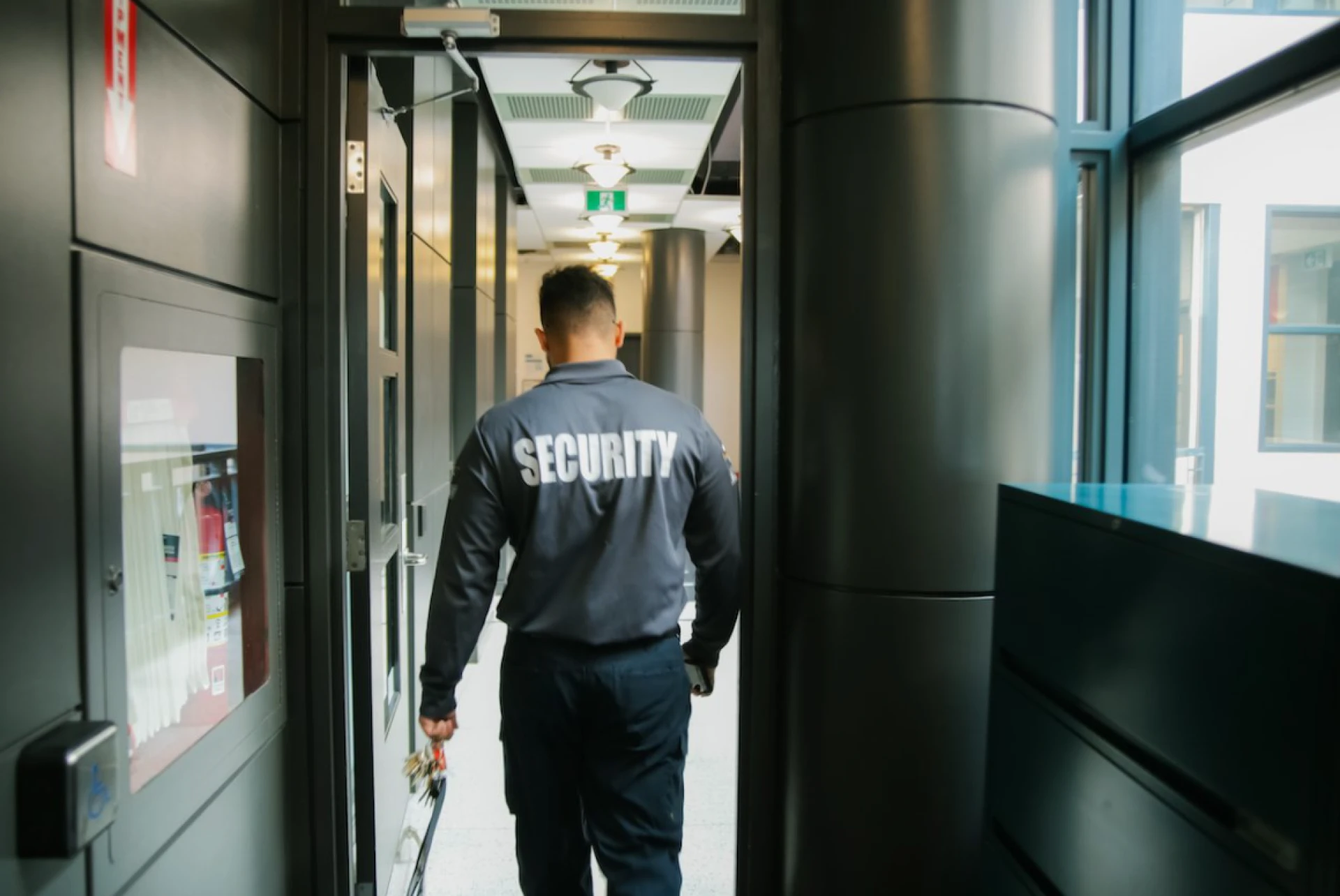
Guards provide capabilities that technology cannot match. They make judgments about situations, interact with people, and physically respond to incidents. A camera can record someone breaking into a car, but a guard can stop them.
Vigilant Pro Private Security Services provides guards for commercial properties throughout Oakland. Their personnel receive training specific to commercial environments, covering customer service, emergency response, and the legal aspects of private security. This preparation enables them to handle the variety of situations they encounter during shifts.
Technology Integration
Cameras, alarms, and monitoring systems multiply what guards can accomplish. A guard at the front desk cannot see the back parking lot, but cameras can. When the guard monitors those camera feeds, their effective coverage extends across the entire property.
Alarm systems provide another layer. After hours, when guards may not be present or may be covering multiple properties through patrol routes, alarms detect intrusions and alert monitoring centers. Rapid response to alarms often catches criminals before they can complete their crimes or escape.
Emergency Preparedness
Commercial properties must prepare for emergencies beyond everyday security concerns. Fires, earthquakes, medical emergencies, and active threats all require planned responses. Buildings without emergency plans leave occupants vulnerable and may face liability when incidents occur.
Emergency planning identifies evacuation routes, assembly points, communication procedures, and responsibilities during various scenarios. Regular drills keep these plans fresh in people's minds. Security personnel often coordinate these efforts, serving as the point of contact for emergency services when they arrive.
Oakland-Specific Considerations
The Hayward Fault runs through the East Bay, making earthquake preparedness particularly relevant for Oakland properties. Buildings should be assessed for seismic safety, and emergency plans should account for the possibility of structural damage, utility disruption, and transportation difficulties following a significant earthquake.
Fire risk also deserves attention. Older commercial building security Oakland may have outdated fire suppression systems or materials that increase fire spread. Hot, dry conditions during certain seasons increase risk across the region. Fire safety assessments and fire watch services address these concerns.
Working with Security Professionals
Commercial property security exceeds what most property managers can handle internally. The expertise required to assess risks, design protection programs, train personnel, and maintain technology systems takes years to develop. Working with professional security providers gives properties access to that expertise.
The relationship between property managers and security providers should be a partnership. Open communication about concerns, incidents, and operational changes keeps security programs aligned with actual needs. Providers who listen and adapt deliver better results than those who simply sell services.
Vigilant Pro Private Security Services approaches commercial security as an ongoing collaboration. They conduct regular reviews with clients, adjust staffing and coverage based on observed patterns, and update technology as new options become available. This partnership model keeps protection current rather than static.
Measuring Security Effectiveness
Security programs should produce measurable results. Incident reports track what happens on the property. Patrol logs document coverage. Camera footage provides evidence when questions arise. Over time, this data reveals patterns that inform adjustments to the security program.
Declining incident rates, faster response times, and improved employee satisfaction all indicate that security efforts are working. When metrics move in the wrong direction, the data points toward areas needing attention. Without measurement, security becomes guesswork.
Oakland commercial properties that invest in effective security protect their assets, their people, and their operations. The cost of that protection typically pales compared to the losses that occur without it. For property owners and managers serious about their responsibilities, professional security services provide the expertise and capability to keep commercial properties safe.































Sign in to leave a comment.