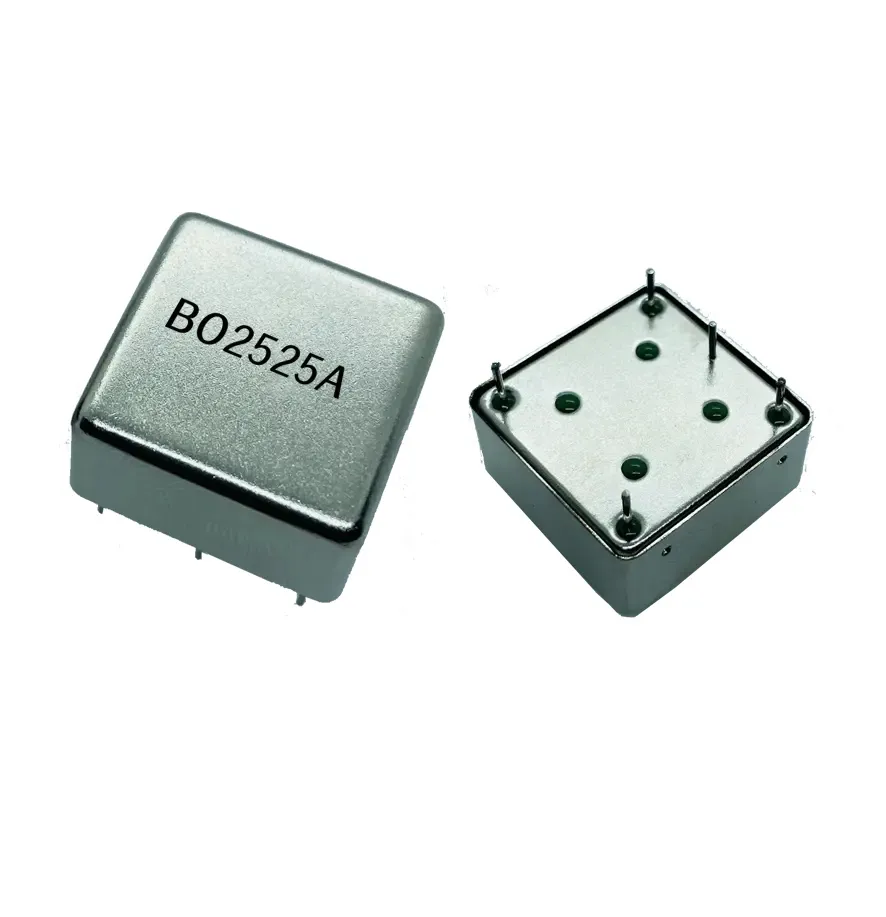

OCXO Oven Controlled Crystal Oscillators for Ultra-Stable Precision Timing and Synchronization
OCXO: High-Precision Frequency Control for Demanding Applications
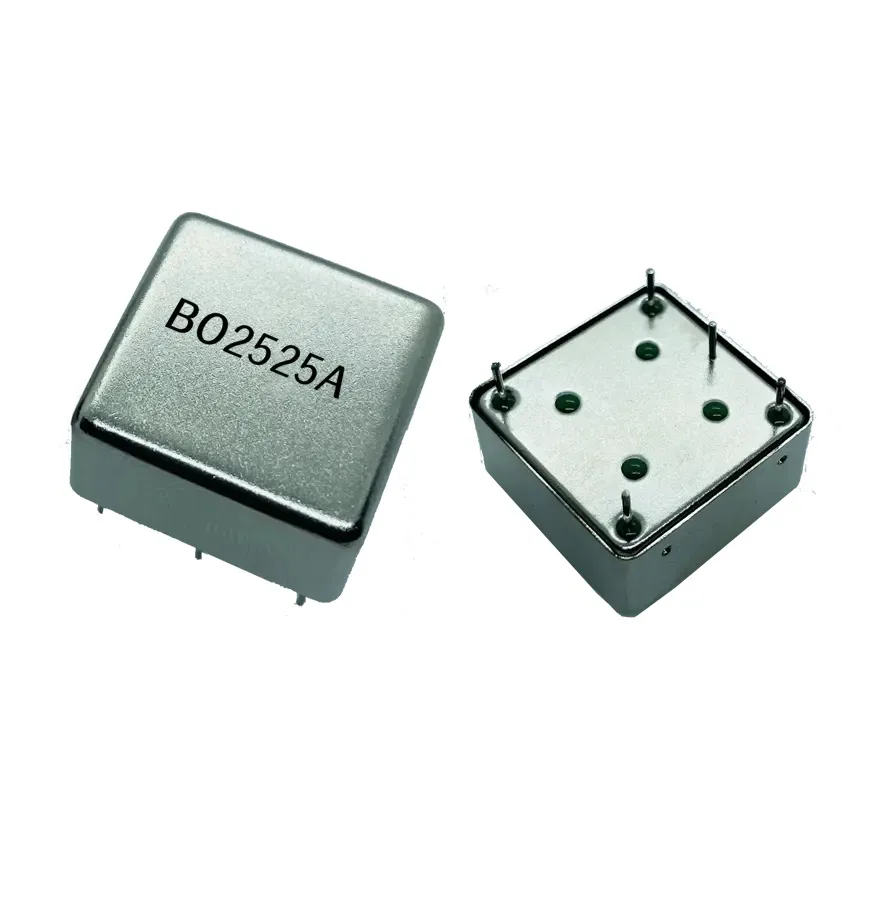
An OCXO, or oven controlled oscillator , is one of the most accurate and stable frequency control devices used in modern electronic systems. It delivers exceptional frequency stability by placing the quartz crystal inside a carefully regulated thermal chamber, often called an oven. This controlled environment protects the crystal from external temperature changes, allowing the oscillator to maintain a highly consistent output frequency.
For industries that depend on exact timing, even the smallest frequency drift can affect performance. Telecommunications networks, GPS systems, aerospace platforms, defense equipment, test instruments, and scientific systems all require stable synchronization. In these demanding environments, an OCXO provides the reliability, low phase noise, and precision needed to keep mission-critical equipment operating correctly.
As one of experienced OCXO manufacturers, XtalTQ develops ultra-stable, thermally controlled oscillator solutions for applications where standard crystal oscillators cannot meet strict performance requirements. With advanced frequency control technology and customization capabilities, XtalTQ supports customers who need dependable timing products for high-performance systems.
What Is an Oven-Controlled Crystal Oscillator?
An ocxo crystal oscillator is a precision oscillator that improves frequency stability by controlling the temperature of the crystal resonator. Quartz crystals naturally change frequency when exposed to temperature variations. In many electronic devices, this small shift may be acceptable. However, in high-precision applications, temperature-related drift can create serious timing errors.
An OCXO solves this problem by keeping the crystal at a stable operating temperature. The internal oven usually maintains the crystal at a temperature higher than the surrounding environment. Because the crystal no longer reacts strongly to outside temperature changes, the oscillator can produce a much more stable frequency output.
This design makes OCXOs ideal for applications that require:
Ultra-stable frequency references
Low phase noise performance
Reliable synchronization
Accurate timing over temperature
Long-term frequency precision
Consistent operation in harsh environments
How Does an OCXO Work?
An OCXO works by combining a quartz crystal oscillator with a temperature-controlled oven and an electronic control circuit. Each part plays an important role in maintaining frequency accuracy.
Quartz Crystal Resonator
The quartz crystal forms the heart of the oscillator. It vibrates at a precise frequency when excited by an electrical signal. However, the crystal’s frequency can shift as temperature changes. This is why temperature control becomes essential in high-precision timing applications.
Temperature-Controlled Oven
The crystal sits inside a small insulated oven. This oven includes a heating element that keeps the crystal at a constant and optimized temperature. By maintaining a stable thermal environment, the oven reduces the effects of ambient temperature fluctuations.
Temperature Sensor and Control Circuit
A temperature sensor continuously monitors the oven’s internal temperature. The control circuit adjusts the heating element as needed to keep the temperature stable. If the temperature begins to drop, the circuit increases heating. If the oven reaches the target temperature, the circuit regulates power to maintain balance.
Through this controlled process, the ultra low power OCXO minimizes frequency variations and delivers outstanding frequency stability.
Key Benefits of OCXO Technology
OCXO products offer several advantages over standard crystal oscillators and many other frequency control solutions. These benefits make them essential in high-reliability electronic systems.
Superior Frequency Stability
The main advantage of an OCXO is its excellent frequency stability. By controlling the crystal temperature, the oscillator delivers extremely low frequency drift across operating conditions. This performance supports accurate timing in telecommunications, navigation, and measurement systems.
Low Phase Noise for Clean Signal Performance
Phase noise affects signal quality, especially in RF, microwave, and communication systems. A low phase noise OCXO helps produce cleaner carrier signals, improves signal integrity, and reduces timing jitter. This makes it valuable for frequency synthesis, base station timing, radar systems, and high-end test equipment.
High Precision in Harsh Environments
OCXOs operate reliably in environments where temperature changes can disrupt ordinary oscillators. Their thermal control structure helps maintain performance in outdoor telecom cabinets, aerospace electronics, defense systems, and industrial instruments.
Reliable Synchronization
Accurate synchronization keeps networks, communication links, and measurement systems aligned. OCXOs provide the stable reference frequency needed for synchronized operation across complex electronic platforms.
Main OCXO Types and Product Categories
Different applications require different OCXO designs. XtalTQ offers multiple OCXO types to support a wide range of timing and frequency control requirements.
Ultra Low Phase Noise OCXO
An ultra low phase noise OCXO is designed for applications where signal purity is critical. Low phase noise improves RF performance, reduces unwanted spectral noise, and supports more accurate signal processing.
These OCXOs are commonly used in:
RF and microwave systems
Radar equipment
Satellite communication
Frequency synthesizers
High-performance signal generators
Spectrum analyzers
Wireless infrastructure
By improving signal integrity, ultra low phase noise OCXO products help engineers design systems with cleaner output signals and better overall reliability.
Ultra Stable OCXO
An ultra stable OCXO focuses on maintaining exceptional frequency accuracy over time and temperature. These products are ideal for systems that cannot tolerate drift or timing instability.
Ultra stable OCXOs are often used in:
Telecom synchronization systems
GPS-disciplined oscillators
Scientific instruments
Precision metrology equipment
Aerospace and defense electronics
Network timing platforms
Their advanced thermal control and high-quality crystal design allow them to deliver long-term precision in demanding operating environments.
Small Dimension OCXO
A small dimension OCXO provides high stability in a compact package. As electronic systems become smaller, engineers need precision timing components that fit limited board space without compromising performance.
Small OCXOs are suitable for:
Compact communication devices
Portable test equipment
Embedded timing modules
Miniaturized RF systems
Space-constrained industrial electronics
These oscillators help designers achieve OCXO-level stability while reducing system size and layout complexity.
SMD OCXO for Modern PCB Assembly
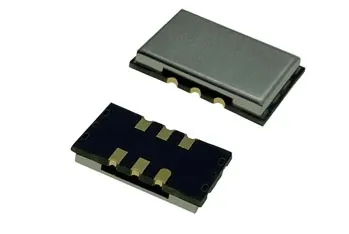
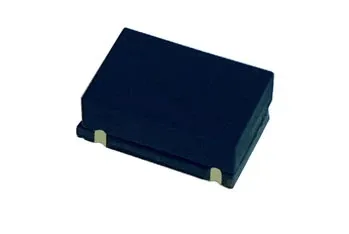
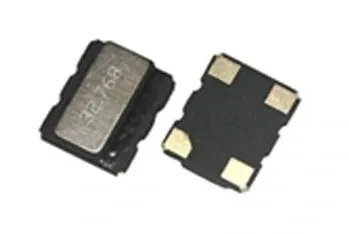
An SMD OCXO, or Surface-Mount Device OCXO, supports automated PCB assembly and compact circuit design. SMD packages simplify manufacturing and improve integration in modern electronic equipment.
SMD OCXOs play an important role in telecommunications and networking because they provide stable clock references in smaller, high-density designs. They support base stations, routers, switches, synchronization modules, and other communication systems that require reliable timing.
OCXO vs TCXO: What Is the Difference?
OCXOs and TCXOs both improve frequency stability, but they use different methods.
An OCXO controls the crystal’s physical temperature by placing it inside a heated oven. This method provides superior frequency stability and precision. However, OCXOs are usually larger, consume more power, and need more warm-up time before reaching full stability.
A TCXO, or Temperature-Compensated Crystal Oscillator, uses electronic compensation to correct frequency changes caused by temperature. TCXOs are smaller, more power-efficient, and faster to start. However, they typically do not match the frequency stability of an OCXO.
Choose an OCXO when you need:
Maximum frequency stability
Very low phase noise
High precision synchronization
Reliable operation in critical systems
Better long-term timing accuracy
Choose a TCXO when you need:
Lower power consumption
Smaller package size
Faster warm-up
Moderate frequency stability
Portable or battery-powered operation
For telecom infrastructure, aerospace systems, defense electronics, GPS timing, and scientific equipment, an OCXO is often the preferred choice because it delivers higher precision.
Applications of OCXO Frequency Control
OCXO products support many advanced applications that require reliable timing and synchronization.
Telecommunications Networks
Telecom systems depend on accurate timing to maintain network synchronization. OCXOs provide stable references for base stations, transmission equipment, network clocks, and synchronization systems.
GPS and Navigation Systems
GPS receivers and timing modules require stable frequency references for accurate positioning and timekeeping. OCXOs help improve reliability in GPS-disciplined oscillator systems and precision navigation equipment.
Aerospace and Defense
Aerospace and defense applications demand rugged and stable timing sources. OCXOs support radar systems, secure communication equipment, navigation platforms, and mission-critical electronics.
Scientific Instrumentation
Laboratory and scientific instruments need precise reference frequencies for accurate measurements. OCXOs support spectrum analysis, frequency counters, metrology equipment, and calibration systems.
Test and Measurement Equipment
High-performance test instruments rely on stable timing to deliver repeatable and accurate results. Low phase noise OCXOs improve measurement quality and signal accuracy.
Factors to Consider When Selecting an OCXO
Choosing the right OCXO requires careful review of the application’s technical requirements. Important selection factors include:
Output frequency: Match the oscillator frequency to the system design.
Frequency stability: Choose stability based on timing accuracy requirements.
Phase noise: Select low phase noise performance for RF and precision systems.
Operating temperature range: Ensure reliable performance in the expected environment.
Power consumption: Consider available power, especially in compact systems.
Warm-up time: Check how quickly the OCXO reaches stable operation.
Package size: Select DIP, SMD, or compact designs based on board layout.
Output waveform: Confirm compatibility with system circuitry.
Customization needs: Request custom specifications when standard options do not meet the design goal.
Custom OCXO Solutions from Experienced Manufacturers
Many applications require custom OCXO specifications. An experienced OCXO manufacturer can adjust parameters such as frequency, stability, phase noise, supply voltage, package size, output type, and operating temperature range.
XtalTQ provides customized OCXO solutions for customers with specialized performance, environmental, or mechanical requirements. Custom development may affect pricing and lead time, but it allows engineers to obtain a timing solution that fits the exact needs of their system.
Choose XtalTQ for Reliable OCXO Performance
OCXO technology remains one of the best solutions for ultra-stable frequency control. By using a temperature-controlled oven, an OCXO reduces frequency drift and delivers the precision required in telecommunications, aerospace, defense, GPS, scientific instrumentation, and test systems.
As a trusted OCXO manufacturer, XtalTQ focuses on high-precision oscillator technology, low phase noise design, and dependable frequency stability. Whether you need an ultra low phase noise OCXO, ultra stable OCXO, compact OCXO, or SMD OCXO, XtalTQ can support your project with reliable products and tailored engineering solutions.
For critical systems where timing accuracy matters, a high-quality OCXO provides the stable foundation needed for long-term performance and operational success.




















Sign in to leave a comment.