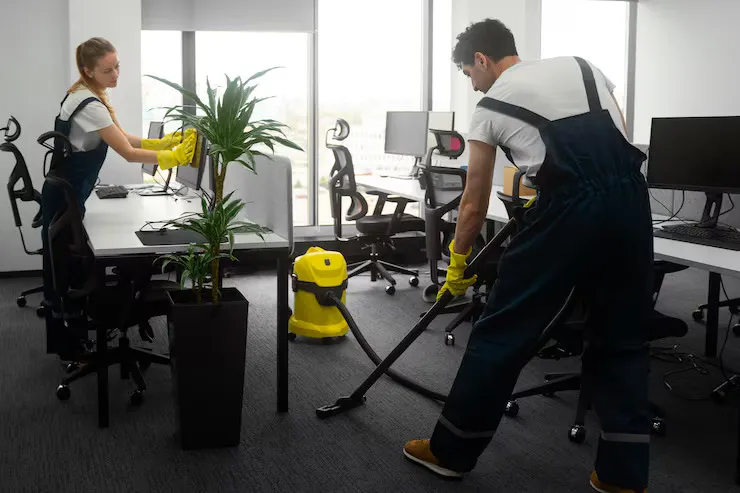

Maintaining a clean and healthy office environment is a fundamental aspect of running a successful business, particularly in a fast-paced city like New York City. With high employee density, frequent client visits, and constant activity, office spaces can quickly accumulate dirt, dust, and germs if not properly managed. To achieve the highest standards of cleanliness, it is essential to understand the difference between day-to-day cleaning and deep cleaning, and how each contributes to office hygiene and maintenance. This article provides an educational comparison of these two cleaning approaches and outlines best practices specifically for cleaning office spaces in NYC, highlighting the role of professional office deep cleaning services.
Understanding Day-to-Day Cleaning
Day-to-day cleaning refers to the routine cleaning tasks performed regularly to maintain basic cleanliness and hygiene in the office environment. These tasks are typically carried out daily or several times per week and focus on visible and frequently used areas.
Common Tasks in Day-to-Day Cleaning
- Emptying trash bins and replacing liners
- Wiping down desks, tables, and countertops
- Vacuuming carpets and sweeping hard floors
- Cleaning and sanitizing restrooms, including sinks, toilets, and mirrors
- Disinfecting high-touch surfaces such as doorknobs, light switches, phones, keyboards, and elevator buttons
- Restocking supplies like paper towels, soap, and toilet paper
- Cleaning glass surfaces and internal windows
Importance of Day-to-Day Cleaning in NYC Office Spaces
Given the high occupancy and fast turnover of office workers in NYC, day-to-day cleaning is vital to prevent the spread of germs and maintain a pleasant work environment. Regular cleaning helps reduce allergens, minimize unpleasant odors, and create a professional ambiance that reflects well on the business.
Best Practices for Day-to-Day Cleaning
- Use EPA-approved disinfectants effective against viruses and bacteria
- Schedule cleaning during off-hours to minimize disruption
- Train cleaning staff to prioritize high-touch areas
- Maintain a checklist to ensure consistency and accountability
- Encourage employees to practice good personal hygiene and keep their workstations tidy
What is Deep Cleaning
Deep cleaning is a more intensive and thorough cleaning process that focuses on areas often neglected during routine cleaning. It aims to eradicate deeply embedded dirt, grime, allergens, and bacteria that accumulate over time, promoting a healthier office environment and prolonging the life of office fixtures and furnishings.
Typical Deep Cleaning Tasks
- Carpet shampooing and steam cleaning to remove stains and allergens
- Scrubbing and waxing hard flooring, including corners and baseboards
- Cleaning behind, under, and on top of furniture and equipment
- Disinfecting HVAC vents, ducts, and air filters to improve air quality
- Deep cleaning restrooms, including tile grout, partitions, and fixtures
- Cleaning window blinds, vents, light fixtures, and ceiling tiles
- Polishing glass surfaces and exterior windows
- Removing cobwebs and dust from ceilings and walls
Frequency and Scheduling of Deep Cleaning
In NYC office settings, deep cleaning is usually performed on a monthly, quarterly, or biannual basis depending on the office size, usage levels, and industry regulations. High-traffic or healthcare-related offices may require more frequent deep cleaning.
Benefits of Deep Cleaning for NYC Offices
- Reduces the presence of allergens and pathogens, contributing to employee health
- Enhances indoor air quality by removing dust and contaminants from HVAC systems
- Restores the aesthetic appeal of carpets, floors, and office furnishings
- Prevents deterioration of office infrastructure, saving costs on repairs or replacements
- Demonstrates a commitment to employee well-being and workplace safety
Comparing Day-to-Day Cleaning and Deep Cleaning
A. Scope and Intensity
Day-to-day cleaning focuses on maintaining surface cleanliness and hygiene, addressing visible dirt and commonly used areas. In contrast, deep cleaning involves comprehensive treatment of hidden, neglected, or hard-to-reach spaces that require specialized tools and techniques.
B. Frequency and Timing
Day-to-day cleaning is performed frequently, often daily or several times per week, while deep cleaning is scheduled less often, based on the office’s specific needs and industry standards.
C. Equipment and Expertise
Day-to-day cleaning often requires standard cleaning supplies and equipment, whereas deep cleaning relies on specialized machinery such as carpet extractors, floor buffers, and industrial steam cleaners. Additionally, deep cleaning is best performed by trained professionals who understand the nuances of thorough sanitation.
D. Impact on Workplace Health and Appearance
While both cleaning methods contribute to a healthier work environment, deep cleaning addresses underlying cleanliness issues that routine cleaning may miss. Failure to incorporate deep cleaning can lead to the buildup of allergens, mold, and bacteria, potentially causing health problems and diminishing office aesthetics.
Integrating Both Cleaning Approaches: Best Practices for NYC Offices
Developing a Cleaning Schedule
- Establish a clear cleaning calendar that balances daily cleaning with periodic deep cleaning
- Coordinate with cleaning service providers to ensure minimal disruption to office activities
- Adjust frequency based on office occupancy, industry regulations, and seasonal considerations (e.g., flu season)
Choosing Professional Office Deep Cleaning Services
- Select experienced cleaning companies familiar with NYC office environments
- Verify credentials, insurance, and compliance with local health and safety regulations
- Request customized cleaning plans tailored to the office’s size, layout, and specific needs
- Ensure use of environmentally friendly and non-toxic cleaning products to promote sustainability
Employee Involvement and Awareness
- Encourage employees to maintain clean personal workspaces
- Promote hygiene practices such as regular handwashing and sanitizing
- Provide easily accessible cleaning supplies for minor spills or messes
- Communicate the importance of both routine and deep cleaning efforts to staff
Monitoring and Quality Control
- Implement regular inspections to assess cleaning effectiveness
- Obtain feedback from employees to identify problem areas or concerns
- Use cleaning checklists and digital tracking tools to maintain accountability
- Adjust cleaning protocols based on observations and evolving needs
Challenges and Considerations Specific to NYC Office Spaces
High Occupancy and Foot Traffic
NYC offices often have a high density of workers and visitors, increasing the risk of contamination and requiring more frequent cleaning interventions.
Limited Space and Layout Constraints
Compact office layouts can make deep cleaning difficult, necessitating specialized equipment and careful scheduling.
Complying with NYC Health and Safety Regulations
Offices must adhere to local guidelines regarding sanitation standards, especially in industries such as healthcare, food services, and education.
Environmental Impact and Sustainability
With NYC’s strong emphasis on green building and sustainability, offices are encouraged to use eco-friendly cleaning products and waste reduction practices.
Conclusion
Cleaning office spaces in New York City demands a comprehensive and strategic approach that incorporates both day-to-day cleaning and office deep cleaning services. While routine cleaning maintains a baseline level of hygiene and order, deep cleaning addresses deeper sanitation needs that safeguard employee health and enhance the workspace’s appearance. By understanding the key differences and best practices associated with each type of cleaning, NYC business owners and facility managers can develop effective cleaning protocols that support productivity, safety, and professionalism.
Engaging professional cleaning services that specialize in both routine and deep cleaning ensures that office spaces remain pristine, compliant with health standards, and conducive to a positive work environment.





























Sign in to leave a comment.