


Something happens the first time you put on a shoe that actually fits your foot. Not fits in the sense that you can close the laces. Fits in the sense that your toes have somewhere to go, the sides of your foot are not pressing against anything, and the whole experience of standing up feels different than it did five minutes ago. It is almost disorienting. You realise, usually pretty quickly, that what you thought was normal foot tiredness was actually your feet working overtime just to survive the shoes you were wearing.
That is the moment wide-width shoes stop being a category and start being the only thing that makes sense.
The Lie Most of Us Were Told at the Shoe Store
For most Americans, shoe shopping has always worked the same way. You tell someone your length, they bring your length, and you decide if the shoe is comfortable based on how it feels in thirty seconds of walking across a carpeted floor. Width never comes up. Nobody asks. Nobody measures. You leave with what fits your length and spend the next year wondering why your feet hurt.
This is how an entire population of people with naturally wide feet ends up in the wrong shoes. Not because proper options do not exist, but because nobody ever introduced them to the conversation. Wide-width shoes for men and women are not speciality products for unusual cases. They are the correct fit for a significant portion of Americans who have simply been buying the wrong width their entire adult lives.
The body adapts. That is the problem. Your feet learn to tolerate compression. Your gait adjusts slightly to compensate for discomfort. You stop noticing the individual pain because it becomes the baseline. And then one day you try a shoe that was actually built for a wider foot, and your baseline shifts entirely.
What Your Feet Have Been Quietly Dealing With
Tight shoes do not just cause discomfort. They cause damage, and they do it gradually enough that most people never connect the injury to the footwear.
Here is what sustained narrow shoe wear does over time:
- Bunions form when the big toe joint gets pushed inward repeatedly. The bone responds by building outward. What starts invisible becomes a permanent protrusion that makes every future shoe purchase harder.
- Hammertoes develop when toes have no room to lie flat. They curl to fit the space available and eventually lose the ability to straighten.
- Plantar fasciitis is fed by the way narrow shoes alter foot mechanics. When the foot cannot sit correctly, it rolls inward, putting stress on the plantar fascia until heel pain becomes a morning ritual.
- Nerve pain and numbness across the forefoot come from sustained pressure on the nerves that run through that area. This is often mistaken for a circulation issue when the real cause is the shoe.
- Calluses and corns form at the exact spots where shoe and foot are in constant conflict. They are not random. They are a map of poor fit.
None of these conditions appears overnight. They build slowly over years of wearing the wrong width, and they are all significantly improved by switching to wide-width shoes.
The Difference Is Not Subtle
People often expect wide-width shoes to feel like regular shoes with a little more room. That is not quite right. A proper wide fit is built on a different last, which means the geometry of the entire shoe changes. The toe box is wider and taller. The forefoot sits correctly. The shoe follows the shape of the foot rather than imposing a shape on it.
The first day you wear a proper wide fit, you notice things you did not expect. You stop shifting your weight around to relieve pressure. You stop clock-watching until you can take your shoes off. You walk further without thinking about it. The awareness of your feet, that constant low-level monitoring that wide-footed people do without realising it, simply goes quiet.
Wide-width shoes for men and women are available across every category you actually need:
- Walking shoes with cushioned midsoles for daily miles
- Casual styles that look like regular shoes but fit like they were custom made
- Dress and work options with professional finishes and real toe room
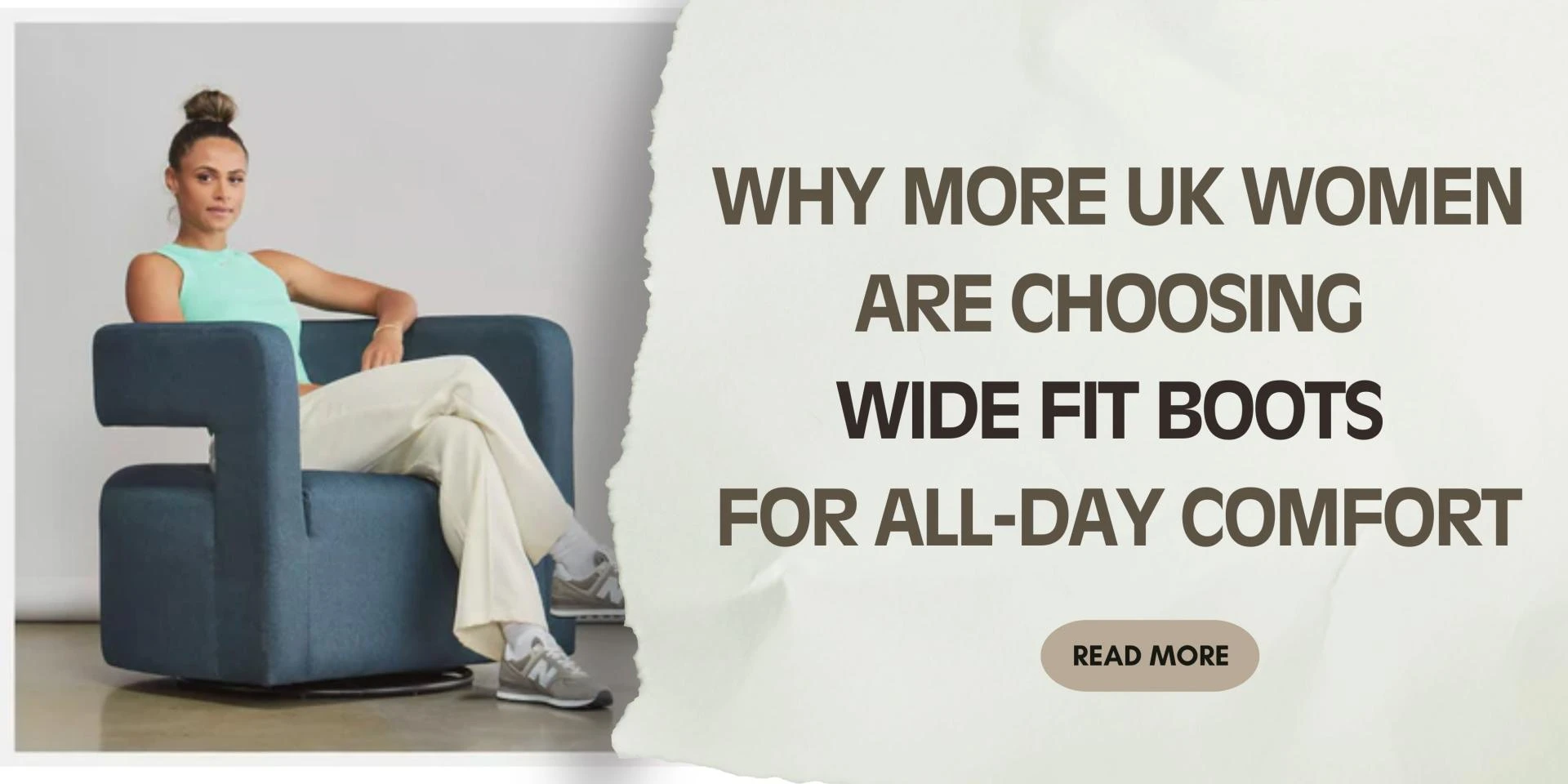
- Boots in genuine wide fittings that work even over thicker winter socks
- Athletic styles with lateral support that does not come with a compression penalty
Why People Never Go Back
The reason wide-width shoes become permanent once someone tries them is not loyalty to a style or a brand. It is physics. Once your foot knows what it feels like to sit correctly in a shoe, a standard-width shoe stops feeling neutral. It feels narrow. The baseline has moved, and it does not move back.
Wide Fit Shoes carries wide-width shoes across genuine width fittings for both men and women, with sizing guidance to help you land on the right width the first time. Easy US returns handle the cases where it takes one adjustment to get the fit exactly right.
The first time you wear a shoe actually built for your foot, everything clicks. Your only question will be why it took this long.

























Sign in to leave a comment.