
In the digital age, online communities' evolution has reshaped human interaction dynamics, presenting both opportunities and challenges. One such challenge is the intricate relationship between online communities and criminal activities. This article delves into the complex interplay of virtual spaces and real-world crime.
The Virtual Playground
Online communities, ranging from social media platforms to forums and dark web marketplaces, offer spaces for people to connect, share information, and collaborate. However, these digital environments can also become breeding grounds for criminal discussions and illicit activities. Online communities serve as different ecosystems where people gather, talk, and forge relationships throughout the globe on the vast internet. These online venues cover a wide range, from well-known social networking sites to the mysterious nooks of the dark web. While these platforms allow collaboration and information exchange, they also have a darker side, serving as a breeding ground for illegal discussions and acts. Online communities fundamentally allow like-minded people to interact, exchange knowledge, and develop relationships. People can explore their shared interests, form relationships, and seek assistance through social media networks, forums, and interest-based groups.
From Cyberbullying to Harassment
The anonymity afforded by online spaces can encourage individuals to engage in harmful behaviors, such as cyberbullying, harassment, and online hate speech. These actions have real-world consequences that can deeply impact victims.
Recruitment and Radicalization
Extremist ideologies find fertile ground within online communities, leading to recruitment and radicalization. Terrorist groups and hate movements exploit these platforms to connect with potential followers and plan illegal activities.
The Dark Web's Underbelly
The hidden corners of the internet, known as the dark web, host criminal marketplaces where illegal goods and services are exchanged. These platforms facilitate various forms of criminal trade, from drugs to stolen data.
Cybercrime and Fraud
Online communities also serve as hubs for cybercriminals who engage in hacking, identity theft, and fraud. Collaboration within these communities can lead to the development and dissemination of malicious software.
Countering Crime through Online Communities
While online spaces can fuel criminal activities, they also present opportunities for countermeasures. Law enforcement agencies and cybersecurity experts monitor these platforms to identify and prevent illegal actions.
Ethical and Legal Considerations
The line between freedom of expression and criminal activity within online communities can be blurred. Balancing ethical concerns and legal action is challenging as authorities seek to intervene without infringing on individuals' digital rights.
Promoting Digital Literacy and Responsibility
Education plays a crucial role in mitigating online criminal behavior. Promoting digital literacy and responsible online behavior can empower individuals to navigate virtual spaces safely.
In the evolving landscape of the internet, the relationship between online communities and crime is intricate and multifaceted. Addressing the challenges posed by online criminal activities becomes paramount in creating a safer and more secure digital environment as technology advances.
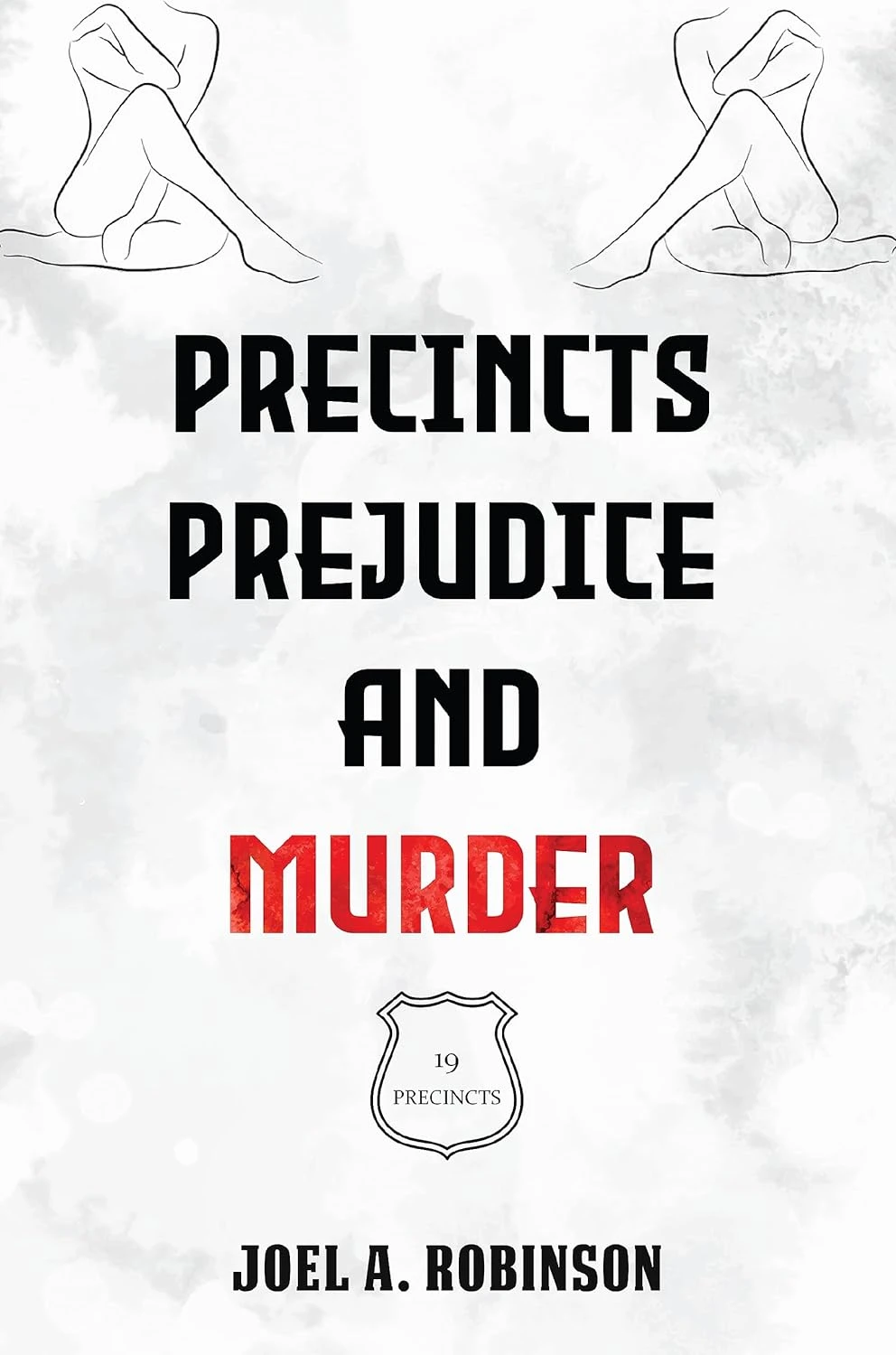
Dive into the captivating world of "Precincts, Prejudice and Murder" by Joel A. Robinson. This gripping book weaves a tale of intrigue while delving into themes of crime, including the modern complexities of online communities. Explore the intricate relationship between virtual spaces and criminal activities. Get your copy now from this Amazon link: https://amz.run/6vRS to uncover the thrilling mysteries within and the online realm's darker side.
























Sign in to leave a comment.