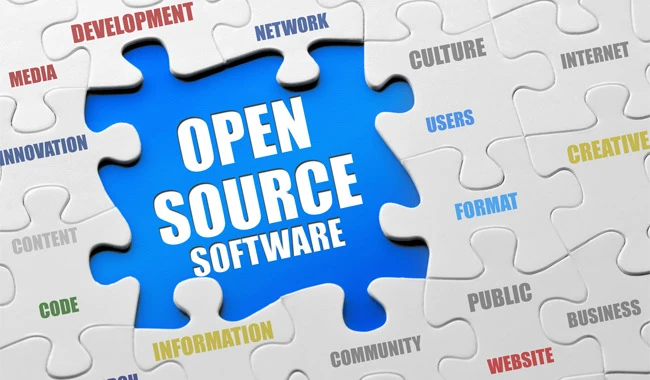

Open source software has transformed the technology landscape by fostering innovation, collaboration, and transparency. However, while open source projects can thrive on community contributions, maintaining and scaling these projects often require financial resources. This is where monetization models come into play. Choosing the right monetization model for your open source project can be the key to its sustainability and growth. Here, we explore various open source monetization models to help you determine which one is right for you.
1. Donations and Crowdfunding
Overview: Donations and crowdfunding rely on the goodwill of users who value your software and want to support its development. Platforms like Patreon, Open Collective, and GitHub Sponsors facilitate this model.
Pros:
Simple to implement.No impact on software's open nature.Builds a strong community relationship.Cons:
Unpredictable income.Requires continuous engagement with the community.Best For: Small to medium-sized projects with a passionate user base.
2. Freemium Model
Overview: In the freemium model, the core software is available for free, while advanced features, services, or add-ons are offered at a premium.
Pros:
Attracts a wide user base with the free version.Provides a steady revenue stream from premium users.Cons:
Requires careful balance between free and premium features.Can create dissatisfaction if essential features are locked behind paywalls.Best For: Projects with scalable features and a broad target audience.
3. Paid Support and Services
Overview: Offering paid support, consulting, training, and customization services can be a lucrative way to monetize open source projects. This model capitalizes on the expertise of the developers.
Pros:
Directly leverages the creators' expertise.Builds trust and long-term relationships with clients.Cons:
Time-intensive.Requires a dedicated team to handle support and services.Best For: Complex software with a steep learning curve or enterprise-level applications.
4. Open Core Model
Overview: The open core model offers a basic version of the software as open source, while advanced features are available under a commercial license.
Pros:
Encourages widespread adoption of the basic version.Generates revenue from advanced features needed by professional users.Cons:
Can lead to community division.Requires clear distinction between open and closed features.Best For: Projects with a clear differentiation between basic and advanced functionalities.
5. SaaS (Software as a Service)
Overview: Transforming your open source project into a cloud-based service allows users to use the software without handling installation and maintenance.
Pros:
Regular, recurring revenue stream.Simplifies the user experience.Cons:
Requires investment in infrastructure and maintenance.Potentially higher operational costs.Best For: Projects that can be easily hosted and managed online.
6. Dual Licensing
Overview: With dual licensing, your software is available under both an open source license and a proprietary license. Businesses that want to integrate your software without adhering to open source license requirements must purchase the proprietary license.
Pros:
Maximizes flexibility for different user needs.Balances community growth and commercial interests.Cons:
Can be complex to manage.Risk of alienating part of the open source community.Best For: Projects with a mix of community users and enterprise customers.
7. Bounty Programs
Overview: Bounty programs allow users to fund specific features or bug fixes. Developers can claim bounties by addressing these issues.
Pros:
Directly aligns development with user needs.Engages community contributions.Cons:
Income is project-specific and irregular.May not provide a sustainable revenue stream.Best For: Projects with active user engagement and specific development needs.
Conclusion
Choosing the right monetization model depends on various factors, including the nature of your software, your target audience, and your project's long-term goals. Some projects might benefit from combining multiple models to create a balanced and sustainable revenue stream. By understanding the strengths and limitations of each model, you can make an informed decision that aligns with your project's vision and ensures its continued success.



























Sign in to leave a comment.