Modern eye care focuses on identifying the cause of vision and comfort issues early and then providing suitable treatment options based on clinical findings. At The Eye Health Centre, patients receive assessments supported by advanced diagnostic tools and guided care from experienced eye health professionals.
Eye conditions such as dryness, retinal disorders, and surface growths can affect daily comfort and vision. Understanding the available treatment pathways helps patients make informed decisions about their eye health.
Understanding Dry Eye and Its Impact
Dry eye is more than occasional irritation. It occurs when the tear film does not maintain sufficient moisture on the eye surface. The tear film acts as a protective layer that keeps the eye lubricated and comfortable.
What Causes Dryness in the Eyes
Dry eye syndrome in Brisbane can develop due to several factors, including age, hormonal changes, environmental conditions, screen time, or certain medical conditions. In some cases, the tear glands produce insufficient fluid, while in others, tears evaporate too quickly.
Common Symptoms to Watch For
People experiencing dry eye may notice:
- Burning or itching sensations
- Eye fatigue or heaviness
- Redness
- Blurred vision
These symptoms can range from mild discomfort to more persistent irritation that affects daily activities such as reading or working on screens.
Diagnosis and Assessment Approach
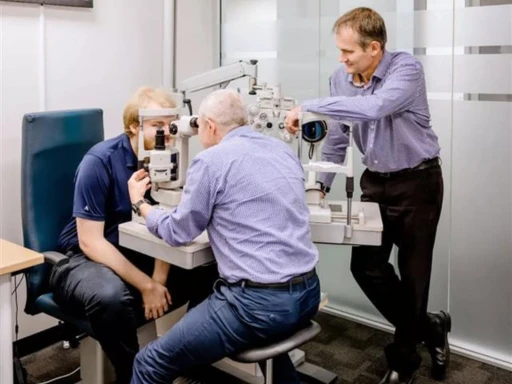
At The Eye Health Centre, diagnosis involves a series of eye tests to evaluate tear production and ocular surface health. These may include visual acuity testing, Schirmer testing to measure moisture production, and advanced corneal imaging to assess tear film stability.
Treatment Options for Relief
Treatment depends on the severity and underlying cause. Options may include lubricating eye drops, ointments, and other therapies aimed at improving tear stability and reducing irritation. The goal is to restore comfort and protect the eye surface from ongoing strain.
Surgical Management for Retinal and Vitreous Conditions
Some eye conditions require surgical intervention, particularly when they affect the retina or vitreous gel inside the eye.
What Vitrectomy Involves
Vitrectomy surgery in Brisbane is a procedure where the vitreous gel is removed to allow access to the retina or to treat internal eye conditions. The vitreous helps maintain the shape of the eye and supports the retina, but in certain cases, it must be removed to restore or preserve vision.
When Vitrectomy May Be Recommended:
This procedure is often advised for conditions such as:
- Diabetic retinopathy
- Macular edema
- Retinal vein occlusion
- Uveitis
- Eye infections like endophthalmitis
Each case is carefully evaluated by an ophthalmologist before recommending surgery.
Procedure and Recovery Overview
Vitrectomy is typically performed as a day procedure under anaesthesia. Patients generally do not feel discomfort during the surgery.
Once the vitreous is removed, the surgeon may repair retinal tears, remove scar tissue, or reposition the retina if required. The eye is then filled with a substitute such as saline, gas, or silicone oil to maintain internal structure.
Recovery varies depending on the procedure and condition treated. Patients may need to follow specific instructions, such as positioning requirements or temporary activity restrictions, to support healing.
Treating Surface Growth Conditions of the Eye
Eye surface conditions can also affect vision and comfort, particularly when abnormal tissue growth develops on the eye.
What Is Pterygium and How Does It Develop
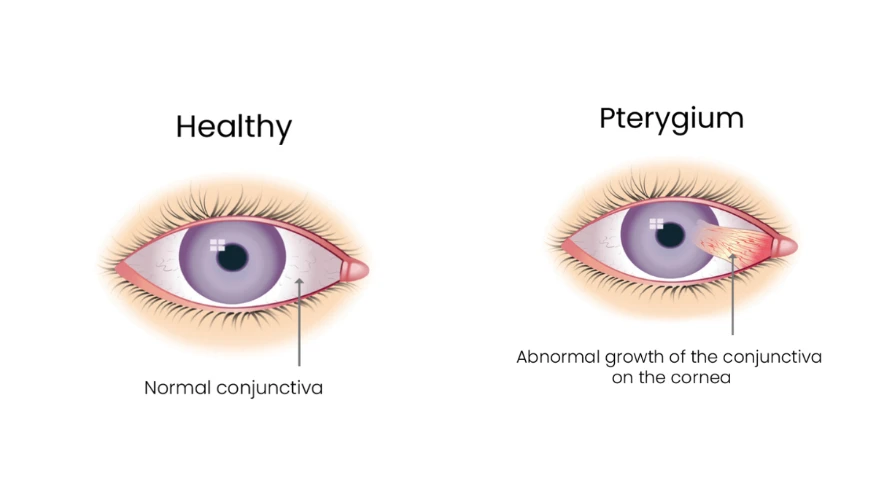
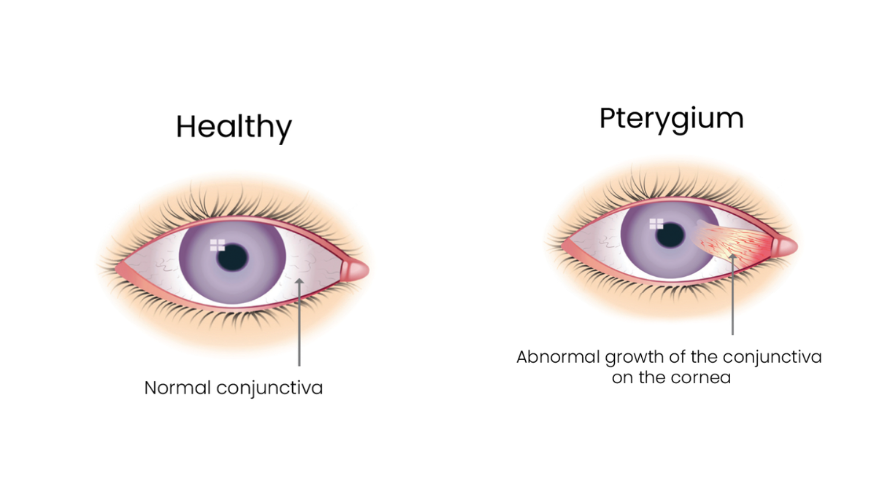
Pterygium eye surgery in Brisbane addresses a condition where a fleshy growth forms on the white part of the eye and may extend towards the cornea. This growth is non-cancerous but can interfere with vision if it progresses.
Pterygium is commonly linked to factors such as UV exposure, dry environments, wind, and dust. It may appear as a pink or red wedge-shaped growth near the inner corner of the eye.
Symptoms and When to Seek Care
Some individuals experience:
- Irritation or itching
- Mild discomfort in dry or windy conditions
- Contact lens discomfort
- Blurred or distorted vision if the growth spreads
In the early stages, symptoms may be mild, but monitoring is important to prevent progression.
Treatment and Surgical Options
For mild cases, lubricating eye drops may help manage irritation and dryness. When the growth affects vision or causes ongoing discomfort, surgical removal may be recommended.
Pterygium surgery involves removing the abnormal tissue and, in many cases, placing a graft to reduce the chance of recurrence. This procedure is performed by experienced ophthalmologists with careful postoperative follow-up.
Why Professional Eye Care Matters
Eye conditions often develop gradually, and early assessment plays a key role in maintaining vision and comfort. Clinics like The Eye Health Centre use a combination of clinical evaluation and diagnostic technology to identify the cause of symptoms and guide treatment decisions.
Regular eye checks help detect changes early, especially for individuals experiencing persistent dryness, visual disturbances, or noticeable growths on the eye surface.
Supporting Long-Term Eye Health
Maintaining eye health involves more than treatment alone. Lifestyle factors such as reducing prolonged screen time, wearing protective eyewear outdoors, and managing environmental exposure can support overall eye comfort.
For individuals with ongoing symptoms or concerns, professional evaluation ensures that any underlying condition is identified and managed appropriately. With the right care, many eye conditions can be monitored or treated effectively, helping patients maintain clearer vision and improved comfort in daily life.























Sign in to leave a comment.