
Efficient inventory management is vital for smooth warehouse operations, with pallet storage facilities facing unique challenges due to their reliance on large storage systems for bulk items. To thrive in today's competitive market, businesses must implement top practices for managing bulk item storage inventories and explore methods to expand storage capacity. This article will provide a comprehensive exploration of these topics, offering insights into effective strategies for optimizing bulk item storage operations and addressing the increasing demands of modern markets.
Before diving into best practices and strategies, grasping the fundamentals of Pallet Storage systems is essential. Pallets, serving as standardized platforms, facilitate efficient handling and space utilization within inventories. Different types of systems, like selective racks, drive-in racks, and push-back racks, each come with their own set of advantages and disadvantages regarding accessibility, space utilization, and throughput. Understanding these aspects is crucial for warehouses to optimize their storage operations effectively.
Best Practices for Pallet Storage Warehouse Management
Utilize Warehouse Management Systems (WMS)
Investing in a robust Warehouse Management System (WMS) can substantially improve inventory accuracy, accelerate order fulfillment, and enhance overall operational efficiency. These systems streamline inventory organization, provide real-time tracking of pallets, optimize picking routes, and enable data-driven decision-making, resulting in smoother inventory operations and better customer service.
Optimize Storage Layout
Maximizing the capacity relies on efficient space utilization. A strategic layout, factoring in aisle width, rack height, and SKU velocity, enhances accessibility and reduces wasted space. This optimization boosts warehouse efficiency by accommodating more inventory while ensuring smooth operations.
Embrace Automation
Automation technologies such as automated storage and retrieval systems (AS/RS), conveyor systems, and robotic palletizing can significantly increase throughput and reduce labor costs. Integrating these technologies into warehouse operations streamlines processes and improves overall productivity.
Enhance Supplier Collaboration
Maintaining open communication and strong relationships with suppliers can lead to better inventory forecasting, timely deliveries, and reduced stockouts. Collaborative forecasting and replenishment (CFAR) initiatives help align inventory levels with demand, minimizing excess inventory and optimizing warehouse space.
Strategies to Expand Pallet Storage Warehouse Capacity
Vertical Expansion
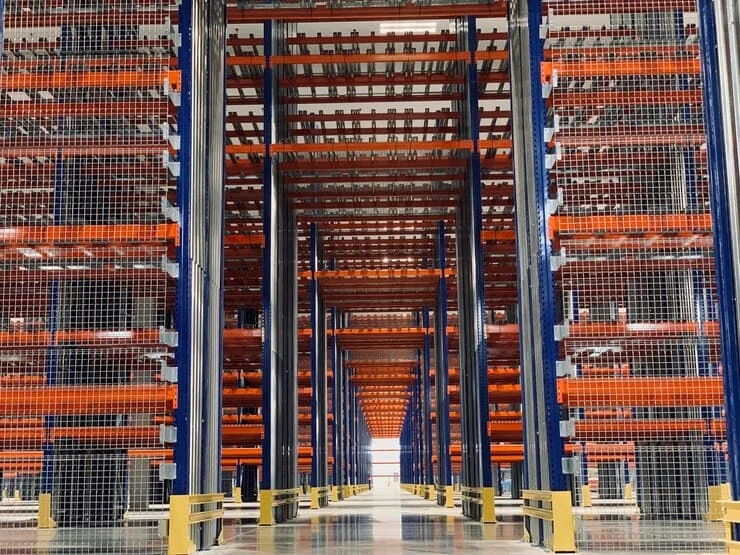
To optimize space, consider taller racking systems or mezzanine levels to maximize vertical storage. High-density options such as double-deep racking or drive-in racks offer increased storage capacity in the same area. These solutions efficiently utilize inventory space, allowing for greater inventory storage while maintaining accessibility.
Invest in External Storage
In cases of limited space, explore options like leasing extra inventory space or utilizing external storage facilities. Outsourcing overflow inventory to third-party logistics providers (3PLs) offers flexibility and scalability, minimizing the need for substantial capital investment. This strategy allows businesses to manage fluctuations in inventory levels effectively while maintaining operational efficiency.
Utilize Pallet Flow Systems
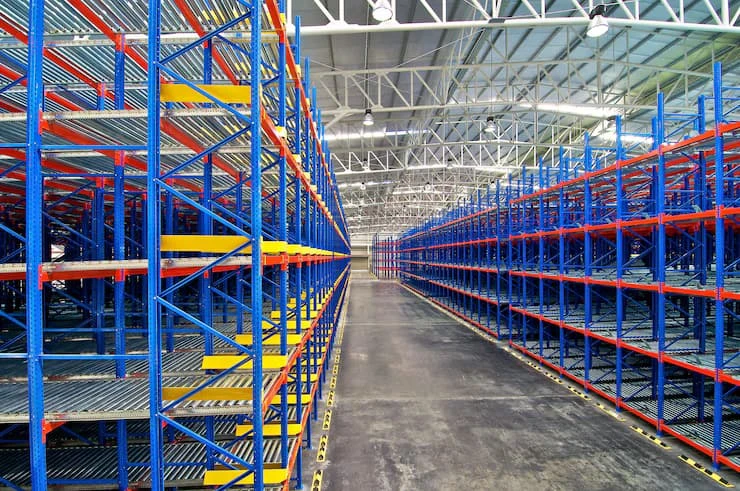
Pallet flow systems employ gravity-fed rollers or wheels to move pallets along inclined racks, ensuring FIFO (First In, First Out) product rotation and optimizing storage density. This makes them particularly suitable for high-throughput warehouses facing space constraints, enabling efficient inventory management and maximizing storage capacity.
Leverage Warehouse Design Optimization
Consult warehouse design specialists to evaluate existing layouts and pinpoint optimization opportunities. Strategic changes, such as reconfiguring rack setups and redesigning traffic flows, can unlock extra storage space and enhance operational efficiency. Leveraging expertise in inventory design ensures tailored solutions that maximize capacity and streamline workflows for improved performance.Optimizing inventory management practices and expanding pallet Warehousing Storage in Wisconsin are essential for meeting the demands of modern supply chains. By implementing best practices and innovative storage solutions, businesses can enhance operational efficiency, reduce costs, and gain a competitive edge in the market.







Sign in to leave a comment.