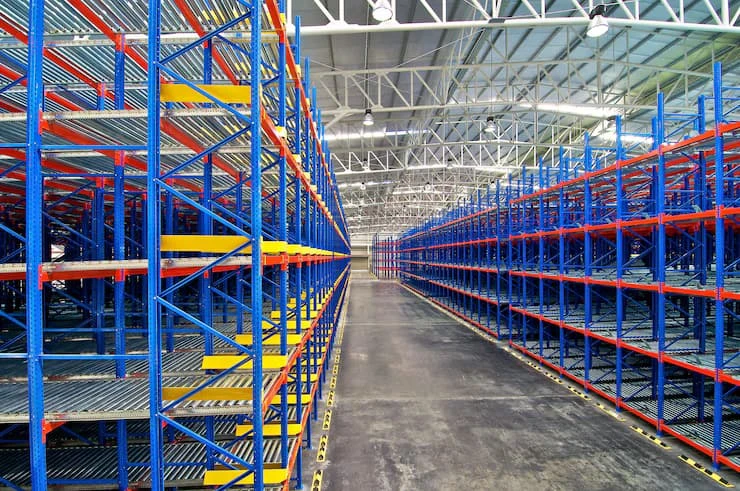

In the ever-evolving landscape of logistics and storage solutions, warehouse racking emerges as a pivotal component in maximizing efficiency and optimizing space. The ability to organize a warehouse effectively not only enhances workflow but also contributes to safety and accessibility.
This article delves into the intricacies of warehouse racking, exploring its benefits, types, and best practices for implementation. By the end, readers will be equipped with the knowledge to transform their spaces into well-organized, efficient environments.
Understanding Warehouse Racking
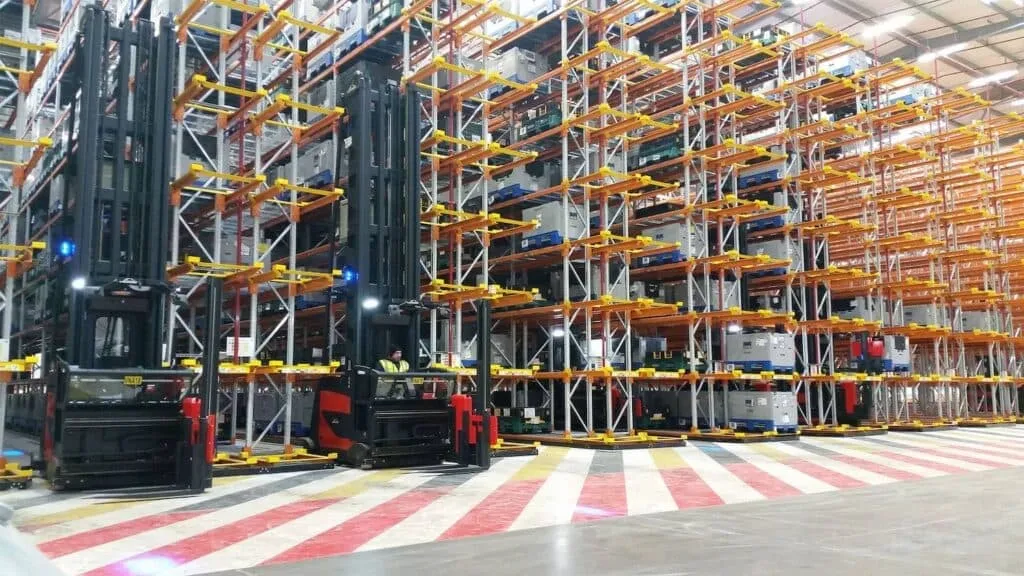
At its core, warehouse racking refers to the system used to store goods and materials in a structured manner. This system involves various types of shelving and storage units that allow for the vertical stacking of products. The primary purpose of warehouse racking is to make the most of available space while maintaining easy access to items. This is particularly important in warehouses where space is often at a premium.
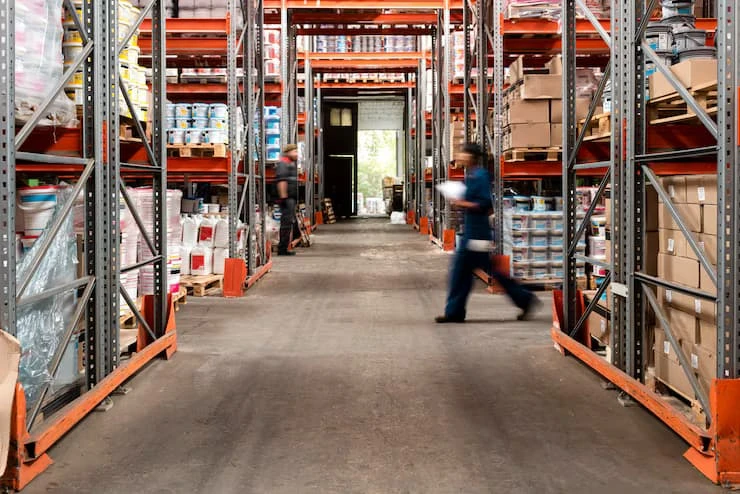
One of the most significant advantages of implementing warehouse racking is the enhanced organization it provides. By categorizing and storing items in a logical arrangement, businesses can reduce the time spent searching for products and streamline their operations. Moreover, a well-organized warehouse minimizes the risk of accidents, as employees can navigate the space more safely and efficiently.
Types of Warehouse Racking Systems
When it comes to warehouse racking, several systems cater to different storage needs and space configurations. Each type has its unique advantages, and understanding these can aid in choosing the right solution for a specific environment.
Selective Racking
Selective racking is perhaps the most common type of warehouse racking system. It allows for easy access to individual pallets, making it an ideal choice for warehouses with a diverse range of products. This system typically consists of upright frames and horizontal beams, creating adjustable shelves that can accommodate various pallet sizes. The flexibility of selective racking makes it suitable for businesses that require quick access to a wide variety of items.
Drive-In Racking
For those looking to maximize storage density, drive-in racking offers an innovative solution. This system enables forklifts to drive directly into the racking structure, allowing for the storage of multiple pallets deep. Drive-in racking is particularly beneficial for businesses dealing with large quantities of homogenous products, as it optimizes space utilization while minimizing aisle space. However, it is essential to implement a strict inventory management system to ensure that older stock is accessed first, as this method can complicate stock rotation.
Push Back Racking
Push back racking combines the benefits of selective and drive-in racking. In this system, pallets are stored on carts that slide along rails. When a new pallet is added, it pushes the previous pallets back, allowing for high-density storage without sacrificing accessibility. This type of racking is particularly advantageous for businesses looking to maintain a first-in, first-out (FIFO) inventory system while maximizing vertical space.
Pallet Flow Racking
Pallet flow racking utilizes gravity to create a dynamic storage solution. In this system, pallets are loaded from the back of the racking and flow down to the front, where they can be easily accessed. This method is particularly effective for businesses with high turnover rates, as it facilitates quick access to products while maintaining a systematic flow of inventory. The design of pallet flow racking helps ensure that older products are sold first, reducing the risk of obsolescence.
Benefits of Implementing Warehouse Racking
The advantages of adopting a warehouse racking system extend beyond mere organization. The implementation of these systems can lead to significant improvements in efficiency, safety, and overall productivity.
Space Optimization
One of the most immediate benefits of warehouse racking is the optimization of space. By utilizing vertical storage solutions, businesses can dramatically increase their storage capacity without the need for additional floor space. This is particularly crucial in urban environments where real estate costs are high. By maximizing vertical space, companies can store more products, thereby reducing the need for off-site storage or additional warehouse locations.
Improved Inventory Management
Effective inventory management is essential for any business, and warehouse racking plays a critical role in achieving this goal. With a structured racking system, employees can quickly locate and retrieve items, reducing the time spent searching for products. Moreover, the clear organization of inventory helps in tracking stock levels and identifying items that need to be reordered, ultimately leading to better decision-making and resource allocation.
Enhanced Safety
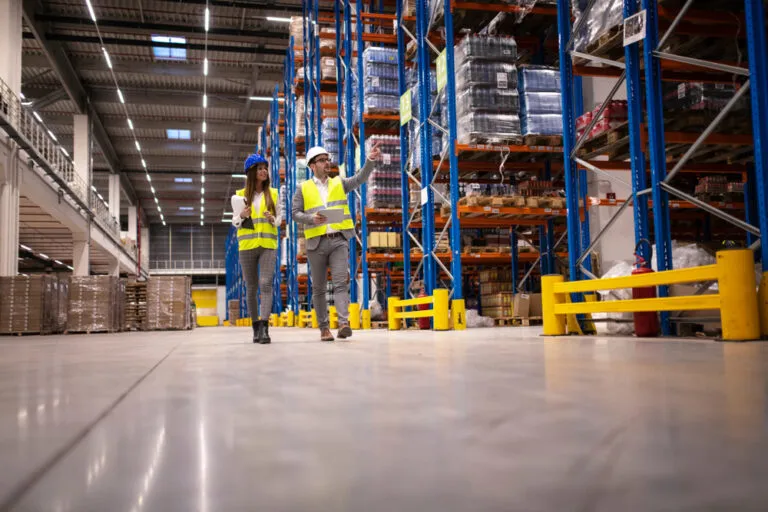
Safety is a paramount concern in any warehouse environment. Implementing a proper racking system reduces the risk of accidents by providing clear pathways and minimizing clutter. Additionally, well-organized storage reduces the likelihood of items falling or being improperly stacked, contributing to a safer work environment. Regular maintenance and inspections of the racking system also ensure its integrity, further enhancing safety measures.
Increased Productivity
Ultimately, the combination of space optimization, improved inventory management, and enhanced safety leads to increased productivity. Employees can perform their tasks more efficiently, leading to faster order fulfillment and improved customer satisfaction. A well-organized warehouse allows for smooth operations, reducing downtime and enabling businesses to respond quickly to market demands.
Best Practices for Warehouse Racking Implementation
To maximize the benefits of warehouse racking, businesses should adhere to certain best practices during the implementation process. These strategies can help ensure that the racking system is effective and meets the unique needs of the organization.
Assessing Storage Needs
Before selecting a racking system, it is crucial to assess the specific storage needs of the warehouse. Consider factors such as the types of products being stored, the volume of inventory, and the workflow of the facility. Conducting a thorough analysis of these aspects will help identify the most suitable racking solution for the business.
Planning for Future Growth
When implementing a warehouse racking system, it is essential to plan for future growth. As businesses expand, their storage requirements may change. Opting for adjustable and modular racking systems can provide the flexibility needed to accommodate evolving inventory needs. This foresight can save time and resources in the long run.
Regular Maintenance and Training
Once the racking system is in place, regular maintenance is key to ensuring its longevity and effectiveness. Conducting routine inspections will help identify any wear and tear that may compromise the safety and functionality of the racking. Additionally, providing proper training for employees on how to use the racking system safely and effectively is essential. Well-informed staff are more likely to adhere to safety protocols and utilize the system efficiently.
Utilizing Technology
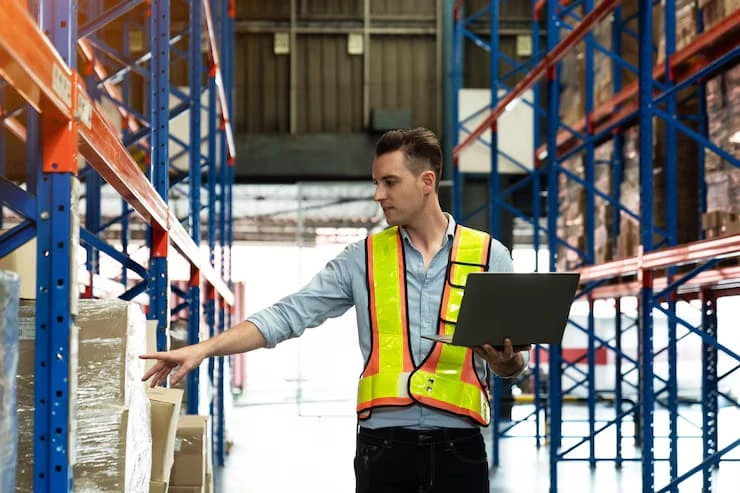
Incorporating technology into the warehouse racking process can further enhance organization and efficiency. Implementing warehouse management systems (WMS) can facilitate real-time tracking of inventory, streamline order processing, and improve overall operational management. By leveraging technology, businesses can gain valuable insights into their storage practices and identify areas for improvement.
Conclusion
In conclusion, organizing a space effectively using warehouse racking is a transformative process that can significantly enhance efficiency, safety, and productivity. By understanding the various types of racking systems available and implementing best practices, businesses can create a well-structured environment that meets their unique storage needs.
For those looking to optimize their warehouse operations, Dalvie Systems offers tailored solutions that can help streamline your processes and maximize your space. Reach out today to discover how we can assist you in elevating your warehouse organization to new heights!



























Sign in to leave a comment.