Organic makeup is now a major name in the beauty world. It promises cleaner ingredients and choices that are better for your skin. But as its popularity grows, so does the confusion.
Many people still don’t know what organic makeup really means. Some aren’t sure if it’s even worth trying.
This article looks at the 5 biggest myths about organic makeup. From questions about how well it works to what it costs, we’ll clear up the facts. You’ll get helpful answers that make it easier to choose beauty products with confidence.
Myth 1 – Organic Makeup Isn’t as Effective as Regular Makeup
Some people think organic makeup does not work as well as standard products. This idea came from older formulas that didn’t last long or show much colour. But that has changed in recent years.
Natural Ingredients, Proven Performance
Today, organic makeup uses better ingredients and smarter blends. Things like mineral pigments and plant-based waxes give bold colour and long wear.
These products now match or even beat synthetic ones. They blend smoothly, look great, and stay on all day.
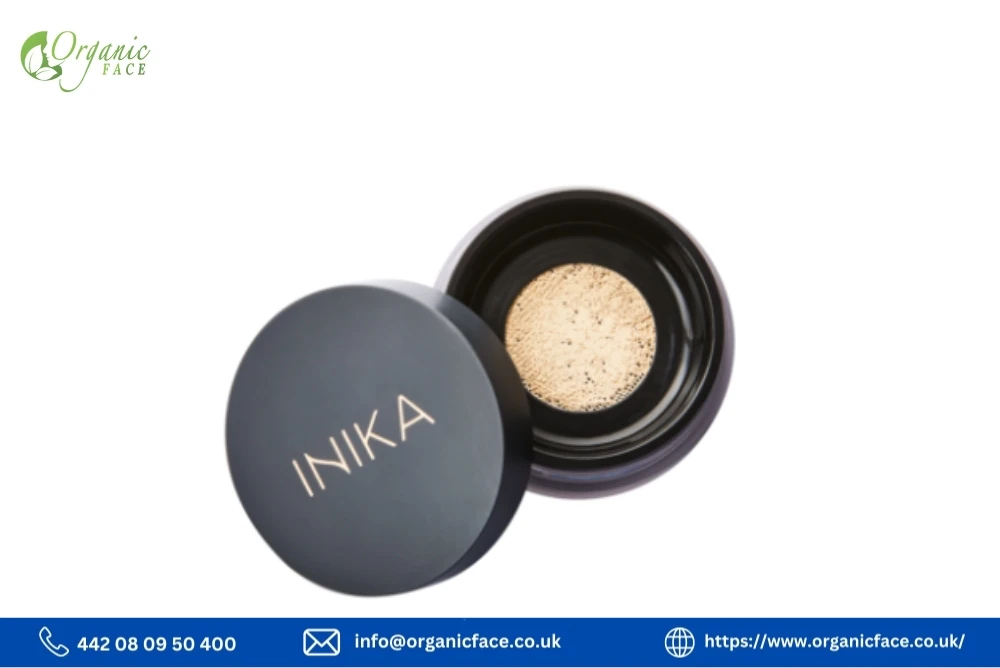
INIKA Organic is one of the top brands. Many makeup artists like its foundation and mascara. RMS Beauty also makes lip and face products that feel creamy and give a rich finish—just like top luxury items.
A 2023 survey by Statista showed that 58% of users said organic makeup worked as well or better than non-organic brands. That proves this myth is out of date.
Organic makeup has come a long way. It offers power, performance, and quality you can trust.
Myth 2 – Organic Makeup Has a Short Shelf Life
Many people worry that organic makeup goes bad fast. This is because it does not have artificial preservatives.
Shelf Life and Natural Preservation
- Organic makeup often uses natural preservatives like rosemary extract, vitamin E, and grapefruit seed oil.
- These natural ingredients help keep the makeup safe by stopping bacteria and oxidation.
- A study in Natural Product Research shows that natural preservatives can control germs well.
- Well-made organic makeup can last 6 to 18 months, just like many regular products.
How to Extend Shelf Life
- Keep your makeup in a cool, dry place. Avoid direct sunlight.
- Check the “period-after-opening (PAO)” symbol on the packaging. It tells you how long the product stays fresh after opening.
- Do not dip your fingers straight into pots. This stops germs from getting in.
- Taking good care of your makeup helps it stay fresh and safe, just like any other cosmetic.
Myth 3 – All Organic Makeup Is 100% Natural
Many people get confused between “organic” and “natural.” They often think these words mean the same thing. But they do not.
What Does Organic Really Mean?
- Organic makeup is made with ingredients that:
- Are grown without synthetic pesticides or GMOs.
- Are checked and certified by groups like USDA, COSMOS, or Soil Association.
- Do not have harmful chemical leftovers, so they are safer for your skin.
- “Natural” means the ingredients come from nature. But it does not always mean they are pure or safe.
- Some natural products still have synthetic preservatives or dyes.
A 2021 report by the Soil Association found that 60% of UK buyers thought “natural” and “organic” meant the same. This shows people need to understand labels better.
Tip: Always look for official certification marks before you trust that a product is truly organic.

Myth 4 – Organic Makeup Is Only for Sensitive Skin
Many think organic makeup is only for people with skin problems or allergies. But that is not true.
Suitable for All Skin Types
- Organic ingredients like aloe vera, jojoba oil, shea butter, and green tea extract help all skin types.
- They can:
- Nourish dry skin
- Control oil for combination skin
- Provide antioxidants that fight ageing for mature skin
- Brands now make many kinds of products, such as mattifying powders and dewy tints, to fit different needs:
- For oily and acne-prone skin: tea tree oil or kaolin clay help reduce oil and clear skin.
- For dry skin: hyaluronic acid and rosehip oil give extra moisture.
- For normal or combination skin: natural emollients keep skin balanced.
Whether you want a bold look or a simple style, organic makeup offers many options for everyone.
Myth 5 – Organic Makeup Is Too Expensive
Many people think organic makeup costs too much and don’t try it.
True Cost and Value
- Some organic products cost more because they use:
- Sustainable farming methods
- Fair trade and ethical sourcing
- Eco-friendly packaging
- But prices are getting better. Mintel’s 2023 Beauty Trends Report says almost 40% of new beauty products in the UK are organic or natural. Many of these are in the mid-price range.
Long-Term Benefits
- Using organic makeup means less exposure to harmful chemicals. This can reduce skin problems.
- Fewer breakouts and reactions can save money on skincare later.
- Clean ingredients help skin stay healthy over time, meaning you might need fewer products.
As more people choose organic makeup, prices are dropping. High-quality, kind-to-the-planet beauty is becoming easier for everyone to afford.
Final Words
There are many myths about organic makeup. It is easy to get confused with wrong information.
But today’s organic products are better than ever. They work well, last long, suit many skin types, and are more affordable.
By learning what organic really means, how it is made, and who can use it, you can pick the right products with confidence.
Choosing organic makeup is not just a trend. It is a smart, safer choice for your skin and the planet.




















Sign in to leave a comment.