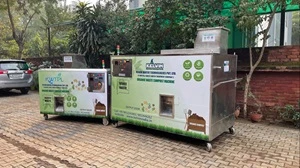

In a world grappling with environmental degradation and climate change, effective waste management has become a critical concern. Among the myriad strategies available, composting organic waste stands out as a practical, sustainable solution. Organic waste composters, whether for individual households or large-scale industrial use, play a pivotal role in transforming waste into a valuable resource.
The Need for Composting Organic Waste:
Organic waste, which includes food scraps, yard trimmings, and other biodegradable materials, constitutes a significant portion of the waste generated by households and industries. Traditionally, much of this waste ends up in landfills, where it decomposes anaerobically, producing methane—a potent greenhouse gas. Composting with organic waste composter offers a compelling alternative, converting organic waste into nutrient-rich compost while mitigating environmental harm.
Benefits of Organic Waste Composters:
Waste Reduction: Composting significantly reduces the volume of organic waste sent to landfills, easing the burden on these overburdened facilities.
Soil Health: The compost produced is rich in essential nutrients, improving soil structure, fertility, and water retention.
Climate Change Mitigation: By diverting organic waste from landfills and promoting aerobic decomposition, composting reduces methane emissions, contributing to climate change mitigation.
Resource Conservation: Composting recycles nutrients back into the ecosystem, promoting a circular economy and reducing the demand for synthetic fertilizers.
Types of Organic Waste Composters:
Home Composters: These OWC composting machines are designed for individual households and come in various forms, such as compost bins, tumblers, and worm bins (vermicomposting). They are user-friendly and can handle kitchen scraps and yard waste effectively.
Community Composters: These larger systems are suitable for neighborhoods, schools, and community gardens. They can process more significant amounts of organic waste and often involve community participation and education.
Industrial Composters: These large-scale systems are designed for municipalities, farms, and food processing industries. They can handle vast quantities of organic waste, including food scraps, agricultural waste, and even certain types of biodegradable packaging.
Key Considerations for Effective Composting
Proper Balance of Materials: Effective composting with OWC machine requires a balance of "greens" (nitrogen-rich materials like food scraps) and "browns" (carbon-rich materials like leaves and paper).Aeration: Composting is an aerobic process, requiring oxygen for the microorganisms that break down organic matter. Regular turning or aeration of the compost pile is essential to maintain airflow.Moisture Control: The compost pile should be kept moist but not waterlogged. Proper moisture levels support microbial activity and prevent the pile from becoming anaerobic.Temperature Management: A well-maintained compost pile generates heat as organic matter decomposes. Monitoring and managing temperature ensures that the composting process remains active and efficient.
Conclusion:
Organic waste converter represents a tangible, impactful solution to the challenges of waste management and environmental sustainability. By converting organic waste into valuable compost, these systems help minimize waste, reduce greenhouse gas emissions, and promote healthier soils. Whether at the household, community, or industrial level, composting is a practical step towards a more sustainable and resilient environment. Embracing composting not only addresses waste management issues but also fosters a deeper connection to the natural cycles that sustain life on Earth.



























Sign in to leave a comment.