

Many people think that dentists and orthodontists do the same job, but that is not quite correct. Both are important for your dental health, yet their roles, training, and areas of focus are different. Knowing the differences can help you choose the right professional for your dental needs.
What Does a Dentist Do?
A dentist is the first professional you see for any general dental care. Dentists take care of teeth, gums, and the overall health of your mouth. They provide services like cleaning teeth, filling cavities, treating tooth pain, and checking for oral diseases. Dentists can also give advice on proper brushing, flossing, and other habits to keep your mouth healthy.
Most dentists complete a dental school program, which typically lasts four years. After that, they are trained to manage a wide range of dental problems. They work with patients of all ages and often provide preventive care to avoid serious issues later on.
What Is an Orthodontist?
An orthodontist is a type of dentist who focuses specifically on correcting the alignment of teeth and jaws. The word “orthodontist” comes from Greek, where “ortho” means straight and “dont” means teeth. Orthodontists specialise in making sure your teeth are not only healthy but also properly positioned for a better bite and smile.
To become an orthodontist, a dentist must complete additional training after dental school. This advanced training usually takes two to three more years and focuses on techniques like braces, clear aligners, and retainers. Orthodontists also manage complex jaw issues that may require careful adjustment over time.
How the Treatments Differ
One of the main differences between a dentist and an orthodontist is the type of treatment they provide. Dentists usually handle immediate problems like cavities, gum disease, or broken teeth. Orthodontists, on the other hand, work on long-term alignment issues.
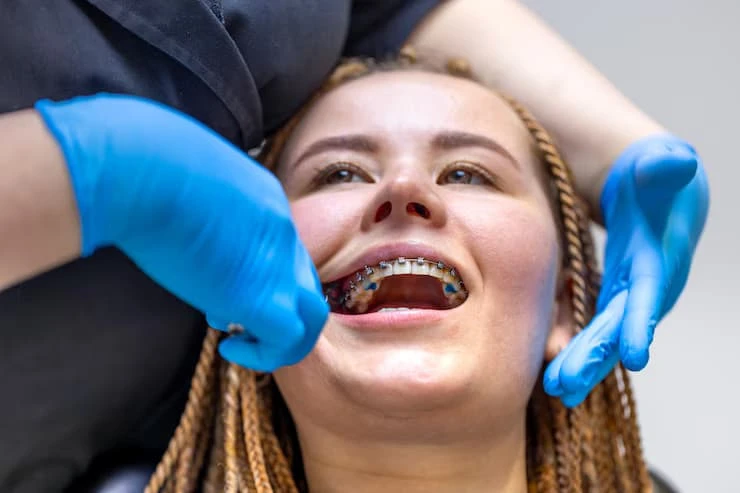
For example, if your teeth are crowded, crooked, or do not meet correctly when you bite, an orthodontist can provide braces or Invisalign. They also monitor the growth of children’s teeth and jaws to prevent future problems. While dentists may suggest seeing an orthodontist, only an orthodontist is trained to design and manage these treatments.
Tools and Techniques
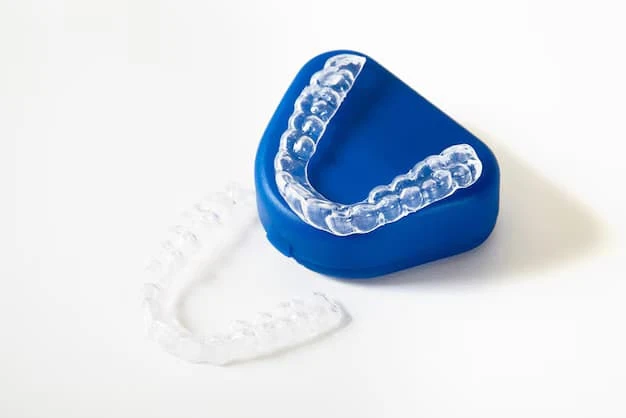
Dentists and orthodontists often use different tools for their work. Dentists frequently use drills, X-rays, and cleaning equipment. Orthodontists use braces, clear aligners, retainers, and other devices to gradually move teeth into the correct position.
Orthodontists also take precise measurements and create customised treatment plans. These plans consider your age, the severity of the alignment issue, and even how your teeth might move over time. Regular adjustments and follow-ups are part of the process to ensure the best results.
When to See an Orthodontist
Not everyone needs to see an orthodontist, but certain signs indicate that it might be necessary. If your teeth are crooked, your bite feels uneven, or you have trouble chewing, an orthodontist can help. Children often visit orthodontists around the age of seven for an evaluation. Early treatment can sometimes prevent more serious issues later.
Adults can also benefit from orthodontic care. Many people choose braces or clear aligners to improve their smile or correct bite problems. Unlike a dentist who focuses on general health, an orthodontist focuses on function and appearance.
How Dentists and Orthodontists Work Together
Dentists and orthodontists often collaborate to provide complete dental care. A dentist may detect alignment issues during a routine check-up and refer the patient to an orthodontist. Once treatment is completed, the patient usually returns to the dentist for regular cleaning and general care. This teamwork ensures both the health and appearance of teeth are maintained.
Choosing the right professional is essential for long-term dental health. While dentists are important for everyday care, orthodontists provide specialised attention to align teeth and improve bite. Understanding these roles can make it easier to decide who to consult for your specific needs.
Final Thoughts
Dentists and orthodontists play different but complementary roles in dental health. A dentist maintains your overall oral health, while an orthodontist focuses on aligning teeth and correcting bite issues. Both are trained professionals who ensure your teeth remain healthy and functional.
If you are considering braces, clear aligners, or other alignment treatments, consulting an orthodontist can guide you toward a healthier, straighter smile. Proper coordination between your dentist and orthodontist ensures you get both preventive care and corrective treatment, giving you confidence in your smile for years to come.































Sign in to leave a comment.