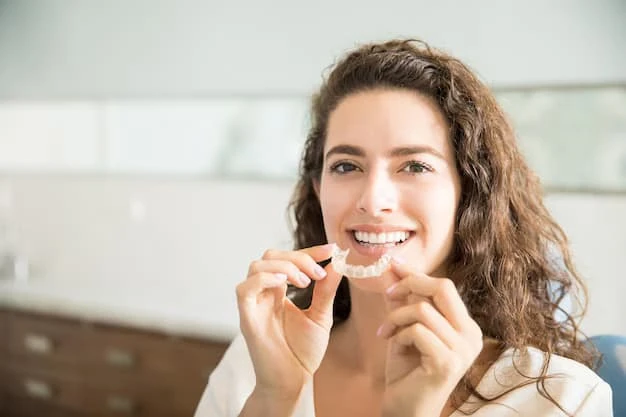

A straight, confident smile can make a big difference in how you look and feel. For anyone wanting to fix crooked or misaligned teeth, two main options often come to mind, clear aligners and traditional braces. Both can help you achieve a healthier and more beautiful smile, but they work in different ways. Understanding how each option functions, along with their pros and cons, can help you decide which one fits your lifestyle and dental goals best.
Understanding How Clear Aligners Work
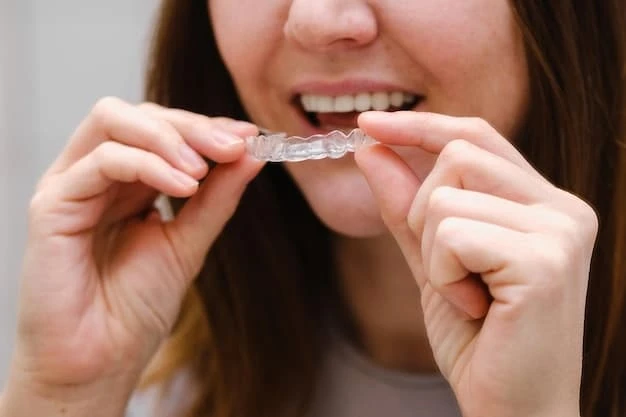
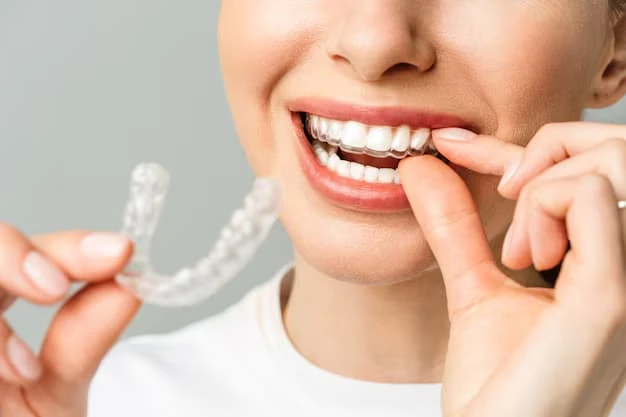
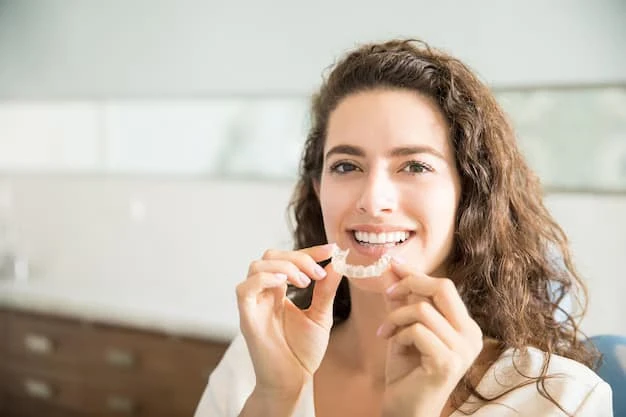
Clear aligners are transparent, removable trays made from smooth plastic. They are custom-designed to fit snugly over your teeth and gradually shift them into the desired position. Patients wear each set of aligners for about one to two weeks before moving on to the next set in the series.
These aligners are designed using 3D digital scans, allowing precise control over tooth movement. Since they are removable, you can take them out while eating, brushing, or flossing, which makes maintaining oral hygiene much easier.
People often choose clear aligners because of their nearly invisible appearance. They provide a discreet way to straighten teeth without the metal brackets and wires used in braces.
How Traditional Braces Work
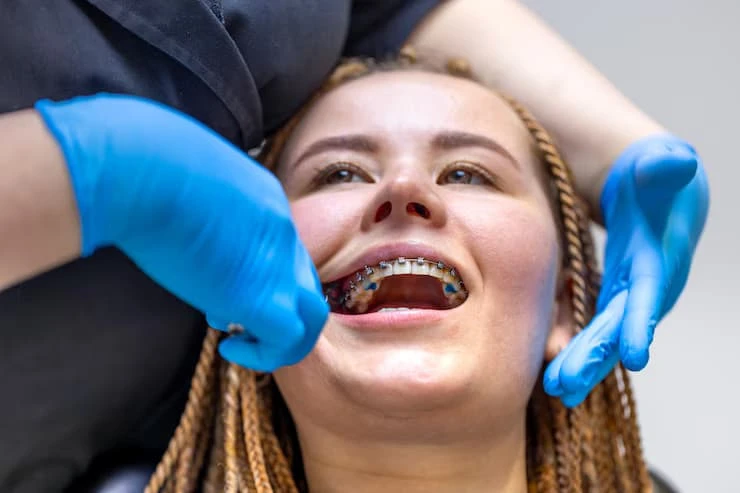
Traditional braces use brackets that are attached to each tooth and connected by a wire. Over time, your orthodontist adjusts the wire to guide your teeth into the correct position. Braces can effectively treat even the most complex orthodontic issues, including significant crowding, gaps, and bite problems.
Braces stay in place 24/7, meaning you don’t have to worry about forgetting to wear them. However, they do require extra care when eating and cleaning, since food can get stuck around the brackets.
While clear aligners are more subtle, braces can sometimes be the more efficient option for severe cases. Your orthodontist will recommend the right treatment based on your specific needs.
Comparing Appearance and Comfort
One of the main reasons people choose clear aligners is their appearance. They’re practically invisible, making them a great choice for adults and teens who prefer a discreet treatment option. You can smile, speak, and interact confidently without others noticing you’re straightening your teeth.
Braces, on the other hand, are more visible. However, modern orthodontics offers smaller brackets and even ceramic options that blend better with natural teeth. While they may not be invisible like clear aligners, they’re still more aesthetic than the traditional metal braces of the past.
In terms of comfort, clear aligners usually cause less irritation. The smooth plastic material prevents the mouth sores that can occur from metal brackets rubbing against the inner cheeks and lips. However, both treatments may cause mild soreness when teeth begin to move, a normal part of the alignment process.
Daily Lifestyle and Convenience
When it comes to lifestyle, clear aligners offer more flexibility. You can remove them during meals, which means you can still enjoy your favorite foods, popcorn, apples, or chewy snacks, without restrictions. You can also brush and floss easily, keeping your mouth cleaner throughout treatment.
However, the success of clear aligners depends on consistency. They must be worn at least 20 to 22 hours a day to be effective. Forgetting to wear them or removing them too often can slow down progress.
Braces, while less flexible, eliminate that concern because they stay fixed in your mouth. You don’t have to remember to wear them; they’re always working. But you’ll need to avoid sticky and hard foods that could damage the brackets or wires.
Treatment Time and Effectiveness
Both clear aligners and braces can deliver excellent results, but treatment time varies depending on the complexity of your case.
For mild to moderate alignment issues, clear aligners typically take about 6 to 18 months. Braces might take a little longer, especially for severe crowding or bite problems. Still, braces are more versatile in handling complex cases because they offer more precise control over tooth movement.
Your orthodontist will evaluate your teeth and recommend the treatment that can deliver the most effective and long-lasting results.
Cost and Maintenance
The cost of orthodontic treatment can depend on several factors, treatment duration, the severity of misalignment, and your location. Clear aligners and braces often have comparable price ranges, though braces may sometimes be slightly less expensive.
Maintenance differs between the two. Clear aligners require regular cleaning to prevent bacteria buildup. You’ll need to rinse and brush them gently every time you remove them. Braces require special cleaning tools like floss threaders or interdental brushes to reach areas around the brackets.
No matter which option you choose, regular dental checkups are essential to keep your teeth healthy throughout treatment.
Which Option Is Right for You?
The choice between clear aligners and braces depends on your dental condition, lifestyle, and personal preferences.
You might consider clear aligners if:
- You want a discreet, nearly invisible treatment.
- You prefer removable trays for eating and cleaning.
- You have mild to moderate alignment concerns.
- You can commit to wearing them consistently.
Braces might be better if:
- You have complex bite or alignment issues.
- You don’t want to worry about removing or losing aligners.
- You prefer a more hands-off treatment that doesn’t rely on daily discipline.
Your orthodontist can guide you in choosing the treatment that best matches your needs and goals.
Final Thoughts
Both clear aligners and braces are effective tools for creating a healthier, more confident smile. The right choice depends on your lifestyle, comfort level, and the complexity of your dental alignment.
Clear aligners offer freedom and invisibility, making them a great choice for those who value aesthetics and convenience. Braces, however, remain a trusted and reliable option for handling more challenging cases.
No matter which path you choose, the end goal is the same: a balanced, beautiful smile that lasts a lifetime. Consistency, care, and regular dental visits will ensure your orthodontic journey leads to lasting success.




























Sign in to leave a comment.