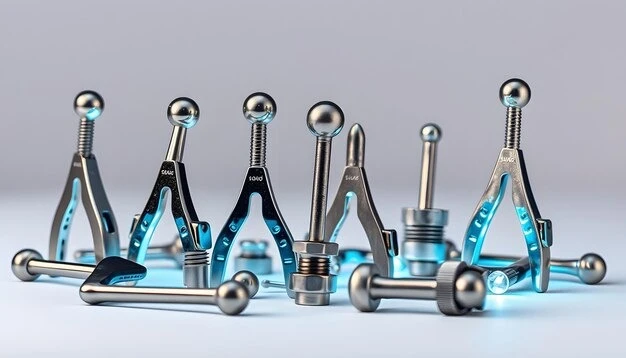
Advancements in medical technology continue to reshape the way patients recover from musculoskeletal injuries. Among these, orthopedic implants play a pivotal role in restoring mobility and improving quality of life for millions worldwide. With innovation at the heart of healthcare, the landscape of orthopedic solutions is evolving rapidly, promising more effective, safer, and patient-centric treatments in the coming years.
The Role of Orthopedic Implants Manufacturers in Modern Medicine
Orthopedic implants manufacturers are at the forefront of transforming surgical procedures and patient outcomes. These companies develop a wide range of products, including screws, plates, joint replacements, and fixation systems, designed to stabilize fractures, replace damaged joints, and support the spine. The focus is not only on mechanical strength but also on biocompatibility, ensuring that the implants integrate seamlessly with human tissue.
Precision engineering and advanced materials are now standard in implant design. Titanium alloys, stainless steel, and bioresorbable polymers are commonly used due to their durability, corrosion resistance, and compatibility with the human body. Manufacturers continuously explore new technologies, such as 3D printing and nanomaterials, to produce customized implants that match individual anatomical requirements, enhancing both surgical outcomes and recovery times.
Innovations Shaping the Future of Orthopedic Solutions
The next few years are set to bring transformative changes to orthopedic care. One of the most significant trends is the development of patient-specific implants. Using imaging technologies and digital modeling, manufacturers can design implants tailored to a patient’s unique anatomy, reducing the risk of complications and improving joint function. This level of personalization was once unimaginable but is becoming increasingly feasible with advances in 3D printing and computer-aided design.
Minimally invasive surgical techniques are also influencing implant design. Surgeons now prefer implants that are easier to insert with smaller incisions, which reduces trauma to surrounding tissues, minimizes blood loss, and shortens hospital stays. This shift has prompted manufacturers to create implants with modular components, lightweight materials, and optimized shapes to meet the demands of modern surgical procedures.
Another noteworthy advancement is the integration of smart technology into orthopedic solutions. Sensors embedded in implants can provide real-time data on load distribution, movement, and healing progress. Such insights help doctors monitor recovery more closely and make informed decisions about rehabilitation, improving long-term outcomes for patients.
Sustainability and Ethical Practices in Manufacturing
Sustainability is becoming a central consideration for orthopedic implants manufacturers. Environmentally responsible practices in production, material sourcing, and waste management are increasingly expected by healthcare institutions and patients alike. Companies are adopting eco-friendly materials, energy-efficient manufacturing processes, and recycling programs to reduce their carbon footprint while maintaining product quality and safety standards.
Ethical manufacturing is equally crucial. Strict adherence to regulatory standards, transparent clinical testing, and rigorous quality control ensures that implants meet safety requirements and deliver consistent results. Patients benefit when manufacturers prioritize both innovation and responsibility, creating trust in the medical devices that become a permanent part of their bodies.
Training and Support: Enhancing Surgical Outcomes
An often-overlooked aspect of orthopedic implants is the support provided to medical professionals. Manufacturers today not only supply implants but also offer training programs, workshops, and digital resources to ensure that surgeons are well-versed in the latest techniques. Comprehensive support allows healthcare providers to make optimal use of implants, reducing complications and improving patient recovery.
With the increasing complexity of modern implants, ongoing education is essential. Surgeons must stay informed about evolving materials, designs, and surgical procedures. Manufacturers play a critical role in bridging the gap between innovation and practical application, helping healthcare systems deliver higher standards of care.
Challenges and Opportunities Ahead
Despite the remarkable progress, orthopedic implants manufacturers face several challenges. Regulatory compliance, rising material costs, and the need for continuous research and development require significant investment. Additionally, the global demand for implants is growing, driven by aging populations and increased incidence of orthopedic conditions, which puts pressure on manufacturers to scale efficiently without compromising quality.
However, these challenges also present opportunities. Collaboration between manufacturers, hospitals, and research institutions fosters innovation and accelerates the development of next-generation implants. Emerging markets offer new avenues for growth, while technological breakthroughs such as bioactive coatings and regenerative materials promise to redefine what is possible in orthopedic care.
Looking Towards 2026 and Beyond
As we move further into 2026, the orthopedic industry is poised for significant transformation. Implants will become more personalized, minimally invasive procedures will become the norm, and smart technologies will provide deeper insights into patient recovery. The role of manufacturers is critical in driving this evolution, ensuring that new solutions are not only effective but also safe, sustainable, and accessible.
Patients can look forward to better outcomes, quicker recoveries, and enhanced quality of life. Surgeons will benefit from more reliable tools, improved training, and greater confidence in complex procedures. Meanwhile, healthcare systems will gain efficiency and better long-term patient results.
Conclusion
The future of orthopedic care is bright, thanks in large part to the continuous efforts of orthopedic implants manufacturers. By combining advanced materials, innovative designs, and patient-focused solutions, these companies are redefining what is possible in musculoskeletal treatment. As technology evolves and healthcare priorities shift, the focus remains on improving patient outcomes, advancing surgical practices, and creating sustainable solutions for the years ahead.






















Sign in to leave a comment.