
It had been five years since we had all met in person. Life had pulled us in different directions — tech jobs in Delhi, design studios in Mumbai, teaching assignments in small towns. The digital world kept us connected, but it was a brittle connection, one that often felt hollow. That’s why when Raghav suggested a famous winter trek of Uttarakhand - Kuari Pass Trek. I jumped at the chance. A reunion in the Himalayas seemed like the perfect way to breathe life back into our friendship.
We began our journey in Joshimath, Chamoli district, a small town tucked in the Garhwal Himalayas. From here, the real trek started at Dhak village. Our group of five carried backpacks, trekking poles, GPS devices, and a mix of excitement and trepidation. Some of us were experienced hikers, others — like me — were more accustomed to urban walks than mountain trails. But the easy to moderate level trek promised to suit all.
Day 1: Dhak to Guling – Rekindling Connections
From Dhak, we started walking along established footpaths, winding through dense oak and rhododendron forests. The trail was familiar yet unfamiliar — nature untouched, villages scattered along the route, and the mountains looming large around us. Every few minutes, someone would stop to take pictures, not just of the scenery but of each other, smiling like teenagers.
As the day progressed, we talked about everything — old college pranks, life struggles, failed relationships, and ambitions. The walking activity gave us time, not just to move through space but to reconnect emotionally. It was a form of recreational therapy I hadn’t realized I needed.
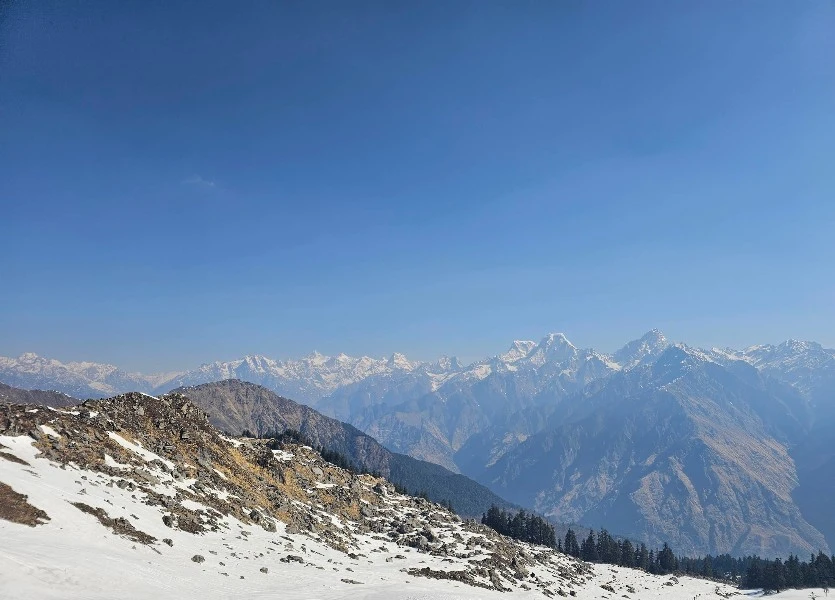
By afternoon, we reached Guling campsite. The tents were simple but welcoming. The view of snow-capped peaks, especially Mt. Nanda Devi and Chaukhamba, filled the horizon. We set up a small fire and shared stories late into the night, the kind of night where laughter echoed across the meadows and the stars seemed closer than ever.
Day 2: Guling to Khullara – Conversations and Contemplation
The morning air was crisp, a mixture of pine scent and cold mountain wind. We moved along trails that were sometimes slippery, covered in frost. The climb was gentle, but every step felt purposeful. It was during moments like these, walking side by side, that unspoken bonds strengthened.
The terrain changed constantly — dense undergrowth, patches of snow, and occasional clearings with panoramic views of Garhwal peaks. We laughed at minor stumbles, offered helpful guidance, and found joy in the simple act of moving forward together.
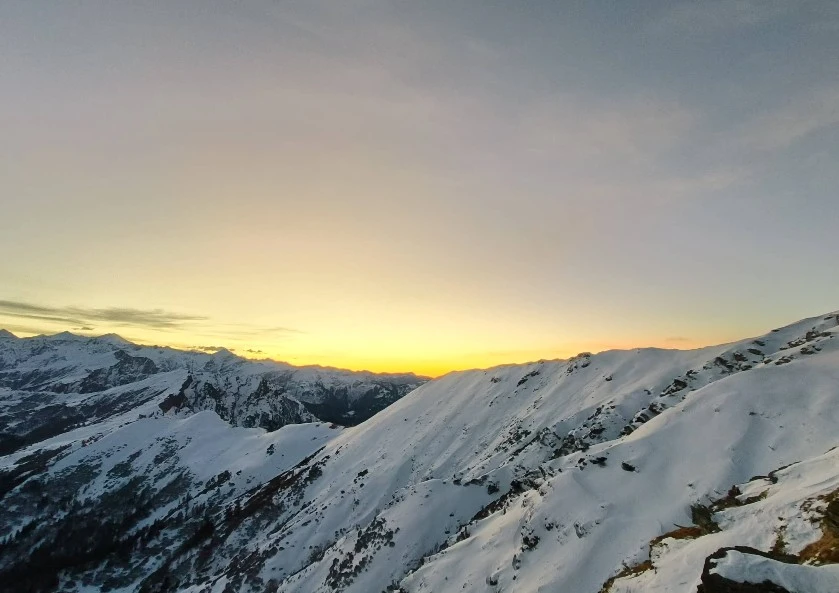
By afternoon, we reached Khullara, a small campsite that overlooked expansive meadows. The evening was spent playing cards, sharing snacks, and planning a surprise morning wake-up to catch the sunrise. It wasn’t just a trek anymore; it was a ritual of friendship, bonding, and shared discovery.
Day 3: Khullara to Kuari Pass – Triumphs and Revelations
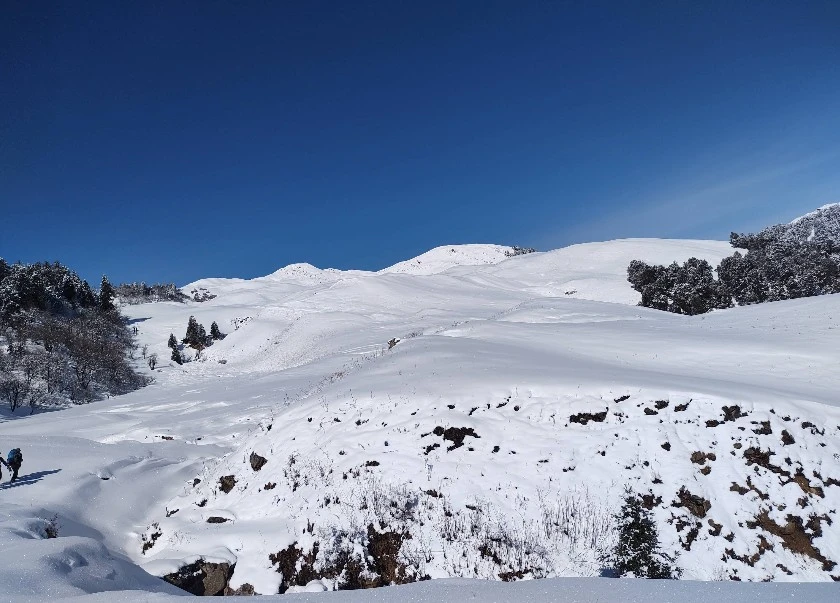
We started early, equipped with warm gloves, hats, and light backpacks. The climb to Kuari Pass involved crossing steep uphill trails, frozen snow patches, and occasional rocky footpaths. Some of us struggled; others moved faster, but we helped each other, encouraging pauses and shared navigation.
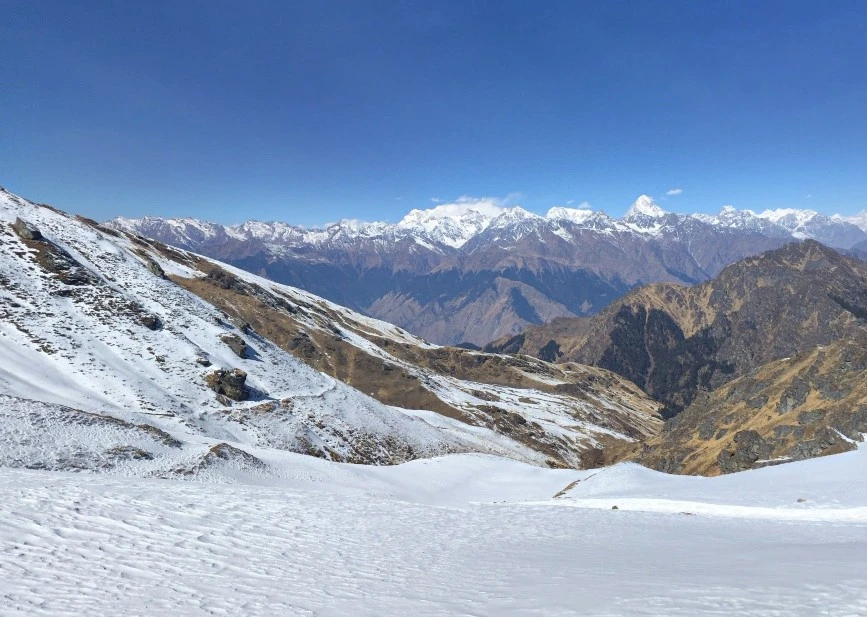
Reaching Kuari Pass at 12,500 ft, the sight was breathtaking. Mt. Nanda Devi, Mana (7274 m), Chaukhamba (7014 m), and Kamet (7756 m) formed a majestic backdrop. The snowland, glowing under the early sun, felt ethereal. Cameras clicked, but for once, no one was in a hurry to post photos online. We were present, immersed in the moment.
Standing there, we realized how much we had grown individually and together. Old arguments seemed petty; distances, jobs, and responsibilities felt temporary. The Himalayan peaks reminded us of the bigger perspective — human worries were just whispers against the vast mountains.
Day 4: Descend to Auli – Reflections and Farewells
The descent was easier but no less beautiful. We walked through Gorson Bugyal, expansive meadows blanketed in white, and trails flanked by oak forests, savoring every moment. Along the way, we helped local villagers carry supplies uphill, learning from their calm, grounded lives.
At Auli, our trek concluded, but there was no rush to leave. We found a quiet spot, watching the sun dip behind the peaks, reflecting on the journey. What started as a friendship reunion trek had turned into an introspective experience, reminding us of the importance of slowing down, appreciating nature, and nurturing bonds.
We promised to keep this ritual alive, whether through trekking, backpacking, or simply reconnecting away from the digital clutter. The Kuari Pass trek wasn’t just about reaching a scenic summit; it was about reconnecting with each other and with ourselves.
How Difficult I Felt It
The difficulty level of the trek is easy to moderate, but perception can vary. For me, the first day through the oak and rhododendron forests felt surprisingly easy — the trail was well-established, and walking alongside friends made the effort feel lighter.
By Day 2, moving through patches of snow and steep ascents near Khullara tested my stamina. The terrain changed constantly — from dense undergrowth to rocky footpaths, with occasional slippery sections. At some points, I felt my legs shaking from exertion, but the support of the group kept me going.
The final push to Kuari Pass was the real test. Crossing frozen streams, icy slopes, and narrow pathways felt challenging. I realized that the trek requires preparation, patience, and the ability to pace oneself.
Cost of the Trek Package
After thorough research for the best tour operators with a reputation for quality service, I shortlisted some of India’s top trekking companies, including India Hikes (IH) and Himalayan Dream Treks (HDT).
I was looking for a company that could ensure safety, reliable services, and trustworthy payment policies, and HDT exceeded all our expectations. The Kuari Pass trek cost approximately ₹12,000 per person, covering the entire journey from Rishikesh to Rishikesh.
How to Reach Base Camp
- By Road: The nearest town is Joshimath, well-connected by road from Rishikesh or Dehradun.
- By Trek: The trek officially begins at Dhak village, which is accessible by shared taxis or buses from Joshimath.
- Accommodation: Dhak and Khullara have basic guesthouses and campsites, and many trekking agencies provide organized camping facilities.
Packing List for Kuari Pass Trek
Essentials:
- Sturdy trekking shoes
- Warm clothing (fleece, jackets, thermal innerwear)
- Gloves, hat, scarf
- Sunglasses, sunscreen
- Trekking poles
- Light backpack
Camping & Safety:
- Tent (if self-organized)
- Sleeping bag (3-season)
- First aid kit
- Fire starter
- Knife or multi-tool
- Emergency blanket
Food & Hydration:
- High-energy snacks
- Water bottles or hydration pack
- Light stove (if cooking)
My Key Tips
- Start Early: Trails are quieter, temperatures are milder, and sunrise views are unmatched.
- Hydrate: Altitude can cause dehydration faster than you expect.
- Group Support: Even if experienced, walking in groups ensures safety and shared joy.
- Respect Nature: Avoid littering, feed wildlife minimally, and follow leave-no-trace principles.
- Flexible Plans: Weather changes quickly, especially during monsoon; always have alternate routes or campsites planned.
Conclusion
Life often pulls friends apart, but shared experiences in the heart of nature can bridge even years of distance. The Kuari Pass trek teaches more than endurance or physical fitness — it teaches patience, presence, and the joy of walking together through challenges, landscapes, and life itself.
Whether you are a nature lover, an adventure enthusiast, or someone looking to rediscover friendships, Kuari Pass promises breathtaking scenery, ethereal snow-covered landscapes, and life-changing moments.






















Sign in to leave a comment.