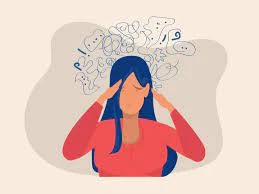

Anxiety is a feeling of anticipation and worry about a perceived danger. An anxiety disorder may be diagnosed if anxiety is severe and chronic enough to affect a person's daily life. An anxious person is usually excessively nervous and worried. A person's physical symptoms include a constantly shaking body, dizziness, and a racing heartbeat. They may also fear something specific (speaking in front of others/attending an event/job interview). Anxiety is a natural stress response. Chronic or severe anxiety can interfere with daily life.
Anxiety disorders include social anxiety disorder (GAD), generalized anxiety disorder (GAD), panic disorder, and specific phobias.
Anxiety disorders may affect the ability of a person to work, learn and participate in other activities. They can be debilitating and distressing. These disorders can lead to difficulties with family and friends and a loss of educational and employment opportunities.
Management options for anxiety disorders include mindfulness and relaxation techniques. Other management options are counseling and psychotherapy. Support groups. Medication.
Anxiety symptoms
The symptoms of different anxiety disorders include:
Heart rate increasesHyperventilation (rapid breathing)Restlessness, numbness, tingling hands/feetPoor concentration, dizzinessSleep problems can cause discomfortDry mouth, nausea, and tense musclesTreatment for Anxiety
Treatment for anxiety falls into three main categories. There are three broad categories of treatment for anxiety: psychological (talking therapy), physical (medications), and self-help or alternative therapies.
Treatment of Anxiety with Therapy
CBT uses behavior therapy. It encourages activities that are enjoyable, rewarding, or provide a feeling of satisfaction. It helps to reverse the avoidance patterns and worries that exacerbate anxiety. Exposure therapy is one example of exposure therapy. The mainstay of behavior therapy for anxiety is 'graded-exposure' treatment. Avoiding situations that cause anxiety prevents you from facing your fears and proving you can handle them. Your therapist uses evidence-based techniques in a safe setting to help you face your fears. Cognitive Behavioural Therapy (CBT ):) is a structured treatment that acknowledges that our thoughts (cognition) and actions (behavior) affect how we feel. A therapist will help you to identify your unhelpful thinking and behaviors. Unhelpful behaviors and thoughts can increase anxiety and prevent you from feeling better. Your therapist can help you replace unhelpful behaviors and thoughts with new ones, which reduces stress. Mental health professionals use CBT. They may teach you to distinguish between productive and non-productive worries. They can also teach you to let go of your worries and solve problems. CBT is delivered in a group, online, or one-on-one by a professional. CBT is sometimes combined with behavior therapy. Online therapy can be as effective as in-person services if you suffer from mild to moderate anxiety. These online therapies are sometimes called e-therapies or computer-aided psychotherapy. Online treatments are sometimes referred to as "e-mental programs." Most online therapies are based on the same principles as CBT and behavior therapy. The program is completed by you, with help from a therapist. The therapist helps you to apply the lessons you have learned in your life. You can talk to them by phone, email, or text. E-therapies can be accessed globally, anonymously, without a prescription, and in conjunction with the work of your GP, counselor, or psychologist. They are also self-paced, free, or cost a minimum.Anxiety Treatment with Medication
Doctors prescribe different medicines depending on your anxiety disorder. Many people with anxiety disorders find that a combination of medication and counseling works well. You can learn how to manage symptoms and thrive with the right mental care. These medications can help with anxiety.
Antidepressants and Anxiety. Some antidepressants can help manage anxiety even if you do not have depression. Antidepressant medications can help balance your brain chemicals, such as serotonin and noradrenaline when you suffer from anxiety. Benzodiazepines are prescribed for anxiety disorders such as social phobia, panic, and generalized anxiety disorder. These anti-anxiety drugs can become addictive and ineffective with time. They also have side effects such as headaches, dizziness, and memory loss. Long-term anti-anxiety medications are not recommended. These drugs can affect alertness and coordination and can also be addictive. Please remember that these medications are only for temporary relief. Beta-blockers Beta-blockers are more commonly used to treat heart problems and high blood pressure. Sometimes they are used to treat social anxiety and fear of public speaking. Beta-blockers can reduce a person's pulse rate when they feel the "fight or flight" feelings associated with performing. They are not an effective long-term solution to anxiety.Anxiety Treatment - Lifestyle Based
Change your sedentary lifestyle: Anxiety disorders are often accompanied by a sedentary way of living. Anxiety can be influenced by alcohol, smoking, or substance abuse. Quitting smoking, eating healthy, exercising regularly, and maintaining stable social relationships can positively impact mental health. Exercise and physical activity. The symptoms of anxiety can be caused by adrenaline and stress chemicals. Exercise helps to burn stress chemicals and relaxes you. Exercise is an excellent way to reduce anxiety. To avoid boredom, try to engage in physical activity three to four days a week. Regular physical activity can boost your self-esteem and release chemicals that trigger positive emotions in the brain. Sleep: A lack of sleep can affect mood and emotional well-being, which could exacerbate anxiety disorders. Anxiety and sleep deprivation are linked in a bidirectional way. Worrying can lead to poor sleep and anxiety, leading to further sleep problems. A person who gets at least six hours of sleep per night is 2.5 percent less likely than others to suffer from mental distress. Nutrition and diet: Magnesium helps relax muscle tissue, and a magnesium deficiency can lead to anxiety, insomnia, depression, and depression. A lack of calcium and vitamin B can also worsen anxiety symptoms. Include whole grain cereals, leafy green vegetables, and low-fat milk products in your diet. Nicotine, caffeine, and stimulant drugs, such as those containing caffeine, trigger the adrenal glands, causing them to release adrenaline. This is one of the stress' main chemicals. It is best to avoid these. Salt and artificial additives such as preservatives are also foods that should be avoided. When possible, choose fresh and unprocessed food. A balanced diet rich in nutrients like zinc, magnesium, and vitamin B, as well as omega-3 fatty acids, can help. Stress management: By managing triggers, you can reduce stress. For example, you keep track of work deadlines and pressures, create a to-do list for daunting tasks, and take regular breaks from professional or academic obligations. Learn to be assertive. Being assertive means communicating your needs, wants, and feelings to others without hurting them. People with anxiety disorders may struggle to be assertive because they fear conflict or feel they don't have the right to speak out. Passively relating to others can lower self-confidence and increase anxiety. To develop stronger self-esteem, it is important to learn to act assertively. Self-esteem is often low in people with anxiety disorders. It can exacerbate anxiety in many ways. Feeling unworthy can also cause a passive way of interacting and foster a fear of being judged harshly. Low self-esteem can also affect the way anxiety disorders impact your life. Some of these problems include shame, guilt as well as depressed mood, and difficulty functioning in school, at work, or in social situations.Alternative Treatments for Anxiety
Alternative methods, such as meditation, yoga, and mindfulness, can be helpful:
Mindfulness: An anxious person may spend much time thinking about anxiety-provoking things. Mindfulness helps us bring our attention to the moment and let go of ideas that are not helpful. As people become more aware of its benefits, mindfulness is becoming increasingly popular. Relaxation techniques can help a person who is anxious all the time relax. One relaxation technique that can be beneficial is progressive muscle relaxation. Correct breathing techniques can trigger physical symptoms such as anxiety. This is because they increase oxygen levels in the blood and decrease the carbon dioxide. Carbon dioxide helps regulate the body's response to anxiety and panic. To prevent hyperventilation, it can be beneficial for someone anxious to learn to breathe through their diaphragm instead of their chest. It is important to allow your belly to expand when you inhale. Place one hand on the lower abdomen and the other on your chest to ensure you are breathing properly. When you breathe correctly, your abdomen will move more than your chest. You can also slow down your breathing when you feel anxious. Yoga is a gentle exercise that helps manage stress and provides an excellent way to relieve tension. Asanas are postures that are held and often synchronized to breathing. Yoga therapy can reduce stress and anxiety. It can be helpful by calming the anxious "flight or battle" response, distancing from worrying thought patterns and producing endorphins. Numerous studies have proven that breathing exercises in yoga are helpful for anxiety and depression. Mediation can help you achieve a feeling of calmness, peace, and balance, which can benefit your overall health and emotional well-being. It can be used to cope with stress and relax by refocusing on something soothing. Meditation can teach you how to remain centered and maintain inner peace. These benefits continue to be enjoyed after your meditation session. Meditation can make you calmer and more focused throughout the day. Meditation may also help manage certain medical conditions. Herbal supplements. Several herbal remedies are being studied for anxiety treatment, but further research is required to understand the benefits and risks fully. The most popular supplements are kava (passion flower), valerian (chamomile), lavender, and lemon balm. You may feel sleepy after taking some herbal supplements for anxiety. This can make it dangerous to drive or perform other dangerous tasks. You can discuss the risks and benefits of using an herbal supplement with your doctor. Acupuncture: Acupuncture reduces stress hormones such as cortisol and stimulates the body's natural feel-good hormonal production. Acupuncture involves stimulating specific points on the body with needles to improve health and well-being. For anxiety, acupuncture is recommended between one and two times per week. Treatment duration is determined by the severity of anxiety, lifestyle factors, and your ability to reduce stressors that contribute to anxiety and stress. After a session of acupuncture, the main side effect is soreness. This goes away within a few hours. Acupuncture is a low-risk, effective treatment for anxiety. There is still more research to be done, but it is promising that acupuncture won't worsen your symptoms. Find a licensed acupuncturist who is properly trained in your state. They will be registered with the health board.Support groups and awareness
Support groups are a safe and comfortable way for people who suffer from anxiety to receive and give support. Support groups offer the chance to learn about anxiety and develop social networks.
Talking to family, friends, or a support group can help you maintain a network. You can avoid building up anxiety, which could worsen your anxiety.
Support groups can help you feel less alone, judged, or isolated. Support groups can help reduce stress, anxiety, or fatigue. Speaking openly about your feelings can help you cope better with difficulties. Join support groups based on people's most common challenges, as presented in The Solh Wellness App. This model relies on a community to share stories and learn from other people's experiences.
What is the best treatment for anxiety?
Treatment of anxiety disorders focuses on medication, psychological therapy, and lifestyle changes. The treatment will vary for each individual depending on their anxiety disorder and any underlying conditions. Self-management, which involves relaxation techniques, an active lifestyle, and effective time management, is the first step in addressing anxious feelings. If these steps do not help control anxious reactions, a person may want to consult a doctor or seek other treatment options.
Your health professional may suggest making lifestyle changes to reduce mild anxiety. This could include regular exercise or reducing stress. Try online therapies. Many of these are anonymous and free. Psychological or medical treatment (or both) will likely be prescribed for moderate to severe anxiety.
It is important to remember that the old saying' knowledge makes power' is true here. Learning about anxiety is essential for recovery. Join Solh and get informed to achieve your mental goals!
























Sign in to leave a comment.