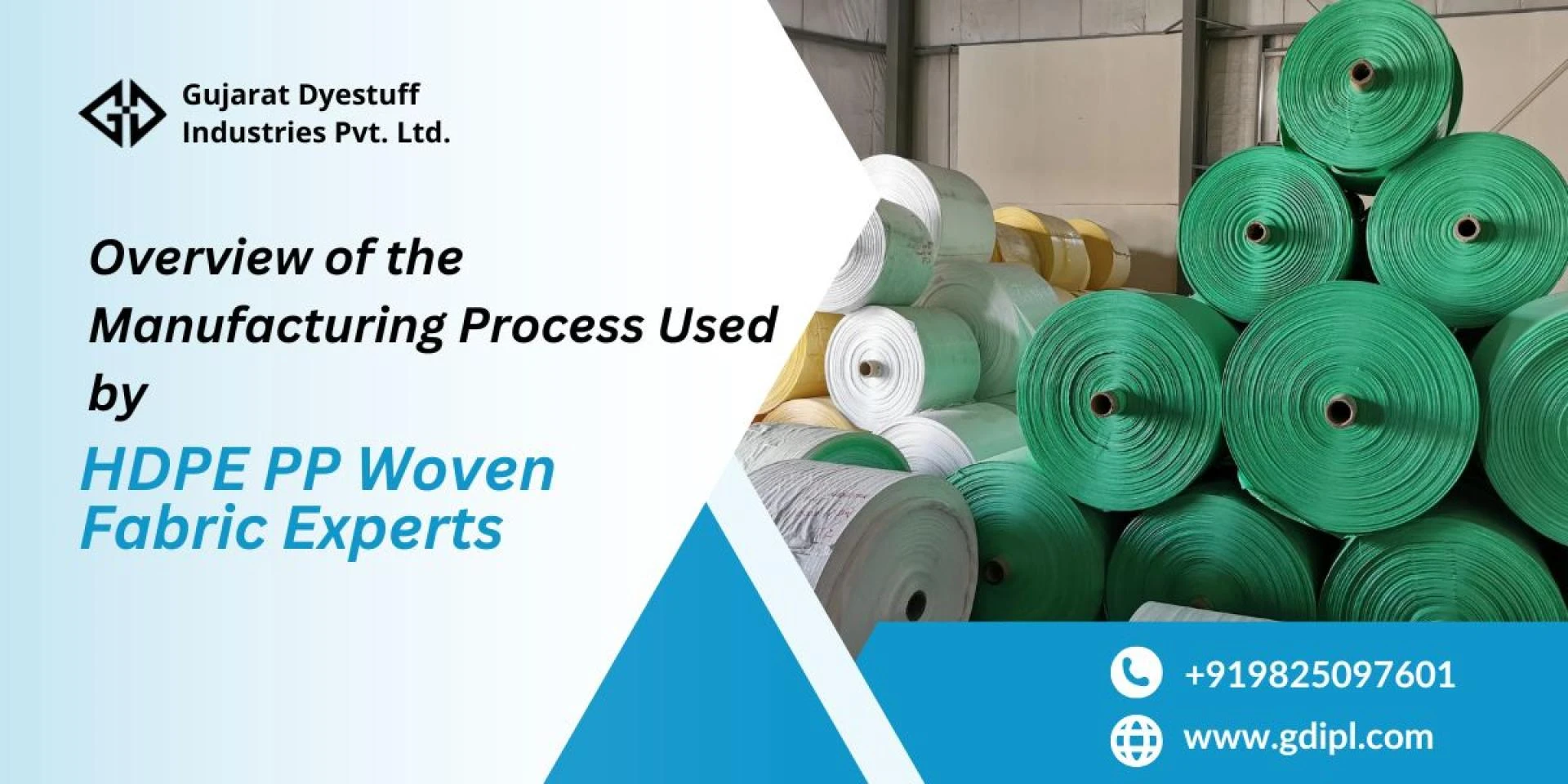
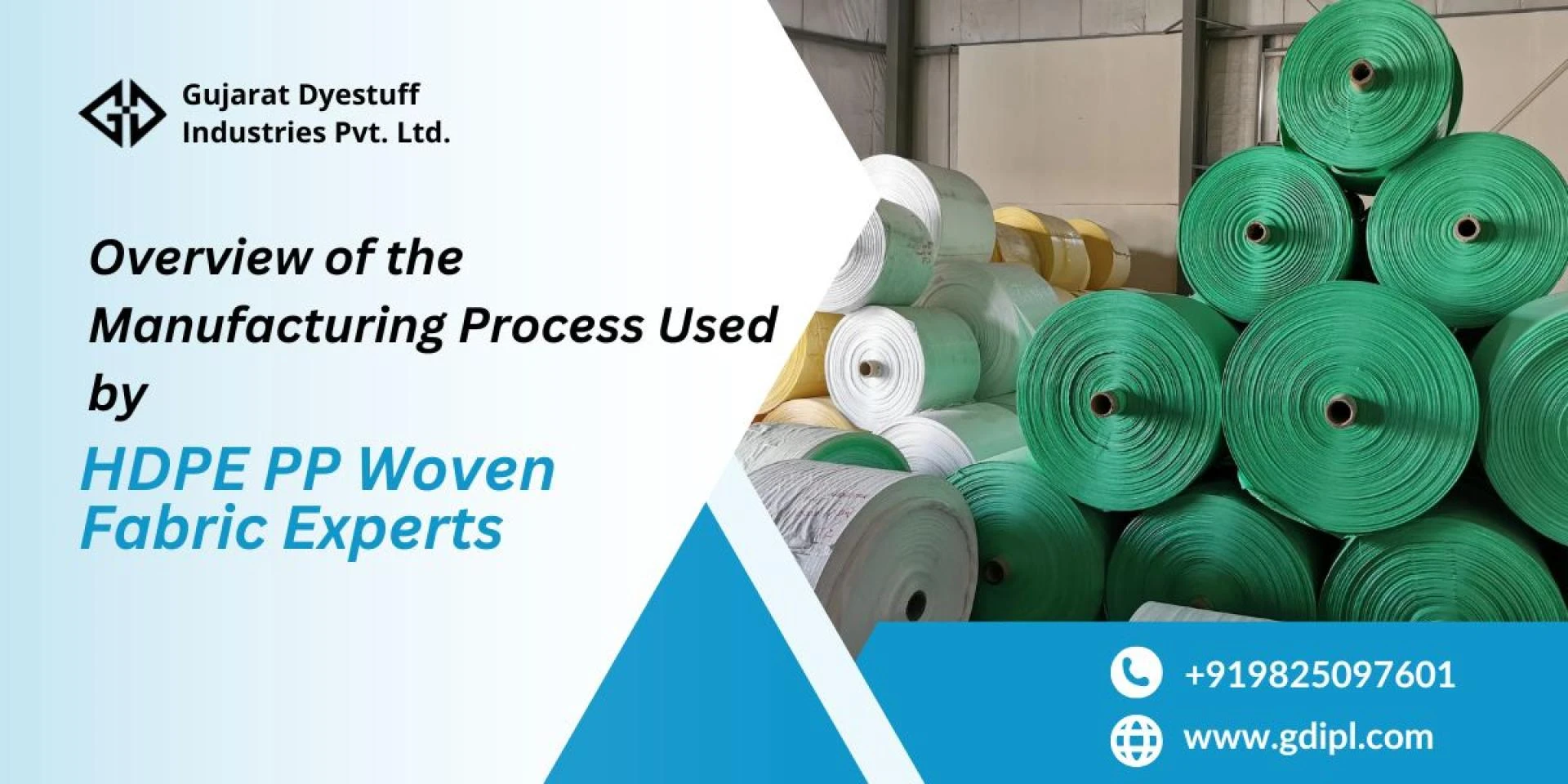
In today’s competitive packaging and industrial textile sector, HDPE PP woven fabric stands out as a durable, cost-effective, and versatile material. From agriculture and construction to shipping and retail, these woven fabrics serve as a reliable solution for a wide range of applications. But have you ever wondered what goes into producing these essential materials?
Let’s take a deep dive into the step-by-step manufacturing process used by HDPE PP woven fabric experts, how quality is ensured, and why choosing the right manufacturer makes all the difference.
Step 1: Raw Material Selection – HDPE and Polypropylene Granules
The process begins with the selection of raw materials. HDPE (High-Density Polyethylene) and Polypropylene (PP) granules are the key polymers used. These materials are chosen for their excellent strength-to-weight ratio, resistance to moisture, and chemical stability.
A trusted polypropylene woven fabric manufacturer sources only virgin or high-grade raw material to ensure fabric longevity and performance.
Step 2: Extrusion – Converting Granules to Tapes
The granules are fed into an extruder where they are melted at high temperatures and then extruded into flat tapes or filaments. These tapes are the fundamental building blocks of HDPE woven fabrics and polypropylene woven fabrics.
The tapes are passed through a water bath and stretched to increase their tensile strength, which gives the final product its durability and toughness.
Step 3: Weaving – Creating the Fabric Structure
Next, the stretched tapes are loaded onto circular or flat looms to weave them into fabric rolls. This step determines the final weave pattern, thickness, and weight.
This is the core phase where woven fabrics take shape. Experienced hdpe fabric manufacturers use advanced looms to maintain even tension and uniformity across the rolls, producing seamless hdpe pp fabric and polypropylene woven sheets.
Step 4: Lamination or Coating (Optional)
Depending on the end use, the fabric may undergo lamination or coating. Laminated HDPE woven fabrics are coated with LDPE or other materials to make them water-resistant or suitable for moisture-sensitive applications.
This step is particularly useful for industries like food packaging, cement, and fertilizers where external contamination must be prevented.
Step 5: Finishing – Cutting, Printing & Sealing
Once the HDPE fabric roll is ready, it undergoes finishing processes such as:
- Cutting: Rolls are cut into sheets or customized sizes.
- Printing: Brand names, logos, or handling instructions are printed using flexographic or rotogravure printing.
- Sealing & Stitching: For specific applications, the fabric may be stitched or heat-sealed to form bags or covers.
Premium manufacturers like Gujarat Dyestuff Industries Pvt. Ltd provide tailored solutions based on client requirements—ensuring every roll or piece is ready to perform in the real world.
Step 6: Quality Testing
A credible HDPE fabric manufacturer doesn’t skip the testing phase. Each batch of HDPE PP woven fabric is tested for:
- Tensile strength
- GSM (grams per square meter)
- UV resistance
- Water resistance
- Print clarity
Testing helps maintain product integrity and ensures clients receive fabric that meets international standards—particularly important for export-grade material.
Step 7: Packaging and Dispatch
Finally, the finished HDPE woven fabric roll is neatly packed and labeled. Rolls may be shrink-wrapped or bundled depending on size and delivery location.
As hdpe woven fabric roll price varies by GSM, type (laminated/unlaminated), and order volume, manufacturers provide customized quotes for bulk buyers.
Why This Process Matters
Understanding the manufacturing process helps buyers assess the quality and consistency of the fabric they’re purchasing. Reliable HDPE PP woven fabric manufacturers ensure:
- Superior tensile strength
- Uniform weaving for load-bearing capacity
- Custom sizing and printing for brand identity
- Timely delivery with proper logistics support
Whether you're looking for hdpe fabrics for agricultural sheets or polypropylene woven material for industrial sacks, the right process ensures your product performs reliably.
Applications of HDPE and PP Woven Fabrics
Here are some common applications where HDPE PP woven fabrics shine:
- Agricultural covers and ground sheets
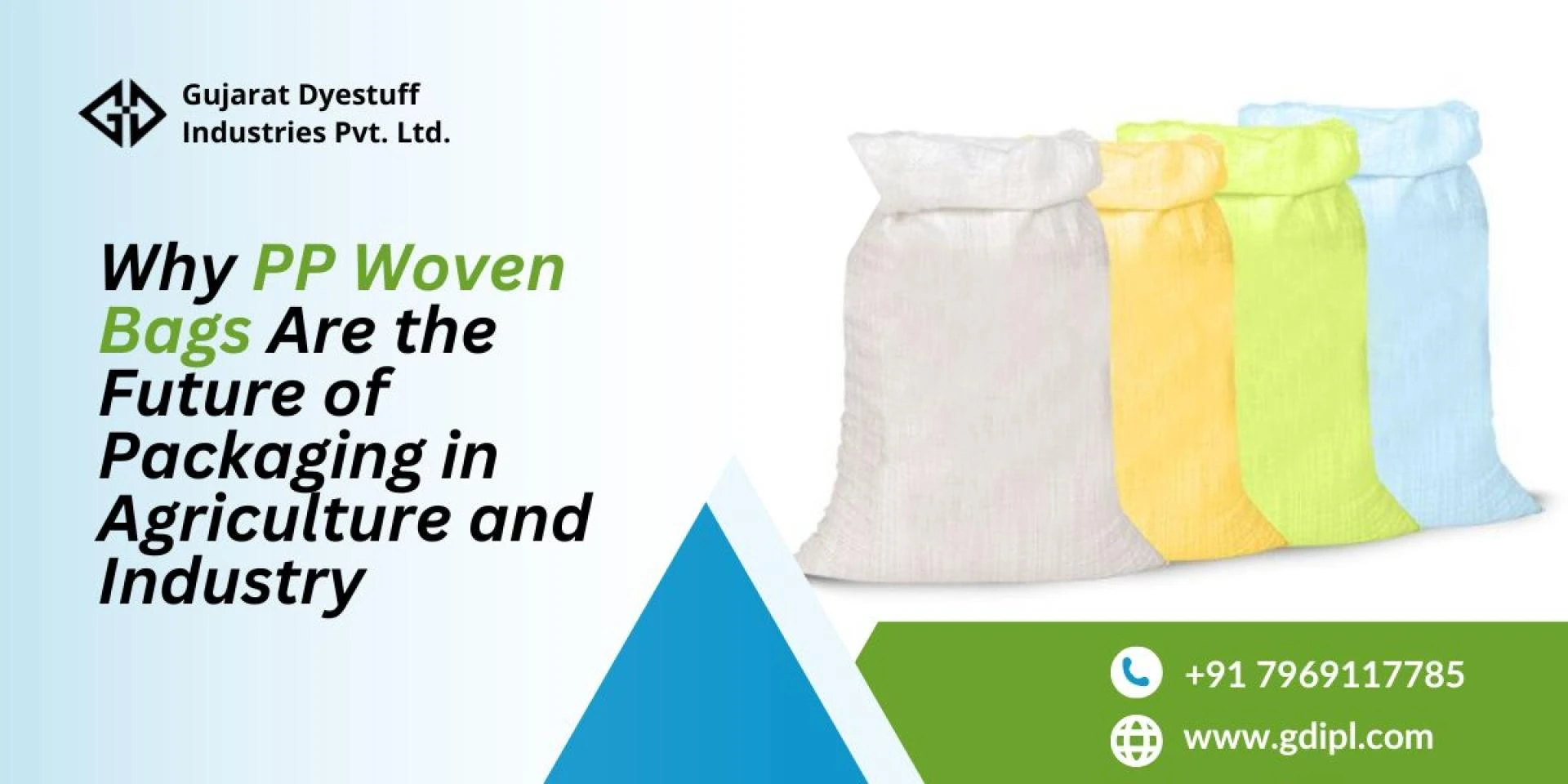
- FIBC bulk bags and small PP woven sacks
- Tarpaulins for monsoon protection
- Leno bags for vegetables and fruits
- Construction fabric for site protection
- Geo-textiles and road construction layers
From high-performance hdpe fabric roll to bulk-ready polypropylene woven fabric, the scope is vast and expanding across global industries.
Final Thoughts
When sourcing materials for your packaging or industrial needs, understanding the manufacturing steps helps you make informed decisions. From extrusion and weaving to lamination and printing, every stage matters.
If you’re in search of a trusted HDPE PP woven fabric manufacturer, look no further than Gujarat Dyestuff Industries Pvt. Ltd. With decades of experience, advanced machinery, and a client-first approach, we deliver unmatched quality and service.
Contact us today for product specifications, samples, and bulk pricing. Let us help you with the perfect HDPE or PP woven solution tailored to your needs.






















Sign in to leave a comment.