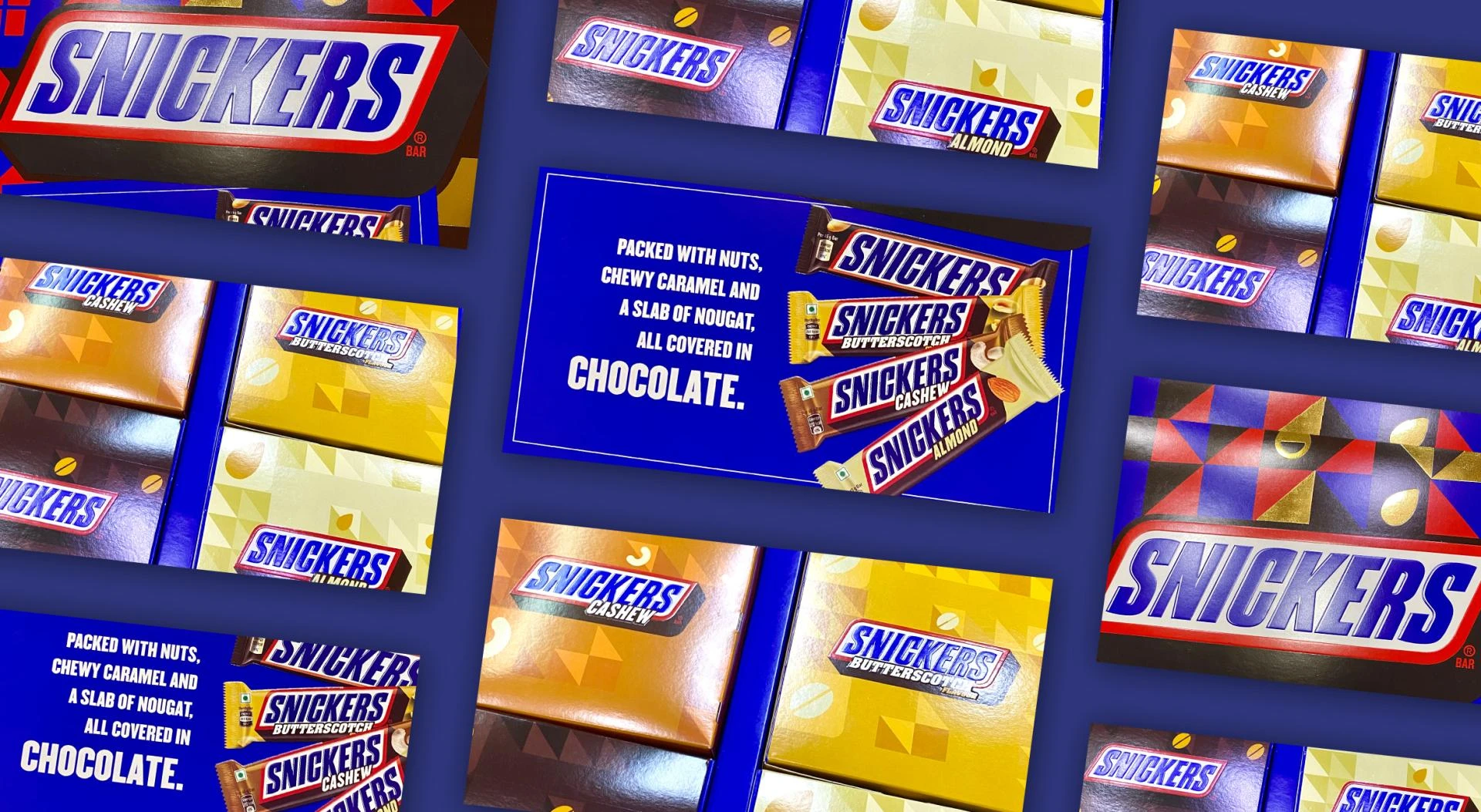

In a world where consumers scroll, swipe, and shop in a matter of seconds, packaging and printing must create an instant impact. It is the role of packaging and printing to create the first impression that makes your product move from shelves into the hands of the customers. Whether it is an FMCG product or pharmaceutical product packaging, it's important to understand that packaging isn't just wrapping the product nicely but also setting the narrative for the product for a longer life.
The psychology behind packaging and printing
Packaging is the first impression that a customer has of a product. This first look can form a bad or a good impression that affects the customer's future behavior. The shape and color of the packaging are huge factors in deciding that. All the different types of textures and colors associated with the product subconsciously affect the impact of the product.
Packaging reflects the visual representation of the product. Printing is the heart and soul, which reflects the product information. How it is to be used, from brand names to the instructions, claims, etc., are all part of the purpose of the product.
Packaging and Printing in FMCG: A driver of choice
From bold packaging to aesthetic printing, they become a tool for a better marketing strategy. The persuasion drives engagement, such as:
- Branding through visual consistency: Packaging should capture the attention of the customers in a matter of seconds. The brand identity should be visual so that it becomes identifiable in minutes. For example: Colgate, Surf Excel, etc.
- Matters of sustainability: The customers value brands that care about the planet. The sustainable, eco-friendly packaging does create a unique brand identity, transparency, and longer-term value.
- Customization and relevance: Printing that involves local traditions, customs, and relevant icons can produce a resonance with the FMCG customers.
How is pharmaceutical packaging different?
Pharmaceutical packaging’s primary function is to protect the integrity of the medicinal ingredients while also conveying the vital information associated with it. The packaging materials are guided by precision, trust, and safety regulations.
The role of packaging materials in pharmaceuticals tells us about:
- Dosage instructions
- Batch numbers
- Expiry/manufacture dates
- Warnings and disclaimers
Material matters: The role of packaging materials in storytelling
Every packaging material has a different feel and function and plays a significant role in storytelling. The different materials and the message that they convey:
- Cardboard/Paperboard: They convey the message of being eco-friendly, organic, and minimal.
- Plastic: The plastic packaging conveys durability and affordability.
- Foil: It conveys the pharmaceutic grade and sterile functionality.
- Polymer: It showcases the innovation and sustainability of the product.
Choosing the right packaging protects the brand but also conveys brand value. The material matters as a bridge with the brand association and identity.
How packaging and printing build a brand narrative
Packaging and printing set a tonal identity in building the brand narrative. They present a driving narrative, whether it's the color choice, design language, or driving forward consistent messaging in the future.
- Psychology of color: Colors act as psychological triggers. For example, red exemplifies excitement and energy. Blue conveys trust and hygiene; black and gold exemplify luxury, so it's important to use the psychology of color in packaging and printing.
- Layout and typography: A clean layout with whitespace feels premium and professional. The typography is responsible for the personality of a brand. Like using serif fonts denotes tradition, and sans-serif indicates modernity.
- Brand story in packaging: Modern brands use stories in their packaging, Quick commerce companies like Blinkit and Zepto share boardgames and funny stories in their packages, showing a non-serious side of the brand.
These stories, whether they're about the various CSR initiatives or about micro stories of the brand, help deepen trust and build loyalty for the brand.
Innovations changing the packaging and printing landscape
As the industry evolves and consumer expectations rise, packaging and printing are used for differentiating and trust building in new and creative ways.
- Digital Printing: It provides effective customization and faster turnaround times, which is good for regional marketing as it saves a lot of time.
- Live linkages and QR codes: Various brands provide live links and QR codes for customers so that they may enter some giveaway or contest or get more information about the website, engaging the customer further.
- Biodegradable coatings and eco-links: Biodegradable links and recyclable materials are used more frequently as brands want to lessen their environmental footprint, and it also gives customers a choice to choose more environmentally conscious students.
Challenges in printing and packaging strategy
Developing an effective strategy for printing and packaging doesn't come without its own set of hurdles and challenges; some of the challenges are:
- Cost pressure
- Supply chain problems
- Hurdles in regulation
- Counterfeit issue
In the age of consumerism, printing and packaging are the unsung heroes of storytelling. You need packaging that helps you grow your brand. Whether you are in the FMCG sector or the pharmaceutical sector, packaging and printing can transform the product from just another item to a story worth buying into the brand.



























Sign in to leave a comment.