
We often talk about fixing education—new policies, better schools, improved curriculum. But what if I told you that by the time a child enters first grade, the damage is already done to many? The gap between those who have and those who don’t is already wide. And it begins way before school ever starts.
That’s why early childhood education matters. It’s not just about teaching little kids to sing rhymes or colour inside the lines. It’s about giving every child an equal shot at life—starting from day one.
The Early Years Matter More Than We Think
From birth to age six, a child’s brain is developing faster than it ever will again. Everything they see, hear, eat, feel—it all shapes how they learn, behave, and connect with others. These early years form the base on which the rest of their education—and life—is built.
Some kids grow up in homes where parents read to them, talk with them, feed them healthy food, and make them feel safe. Others, not so much. Not because the parents don’t care—but because they don’t have the time, resources, or support.
That’s where early education programs come in. They help close that gap. They give every child—regardless of where they were born—a fair chance.
Equity Begins with Access
Educational equity doesn’t mean treating every child the same way. It means meeting them where they are, understanding their background, and supporting them so they can thrive. And that support needs to start early.
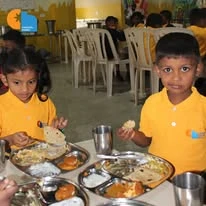
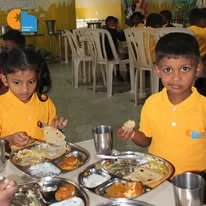
When children from marginalised backgrounds get quality early education—whether it’s through anganwadis, preschools, or community programs—they start school more prepared, more confident, and more likely to stay in school.
It’s not magic. It’s just giving them what all children deserve.
The Reality on the Ground
Now let’s be honest access to early education in India is still patchy. Many Anganwadi are underfunded. Teachers aren’t always trained for early learning. And parents don’t always know how important these years are—because no one told them.
So, what will happen? Children from already disadvantaged backgrounds start school already behind. And that gap just keeps growing.
It’s not about intelligence. It’s about opportunity.
So, What Can We Do?
You don’t have to be an expert to make a difference.
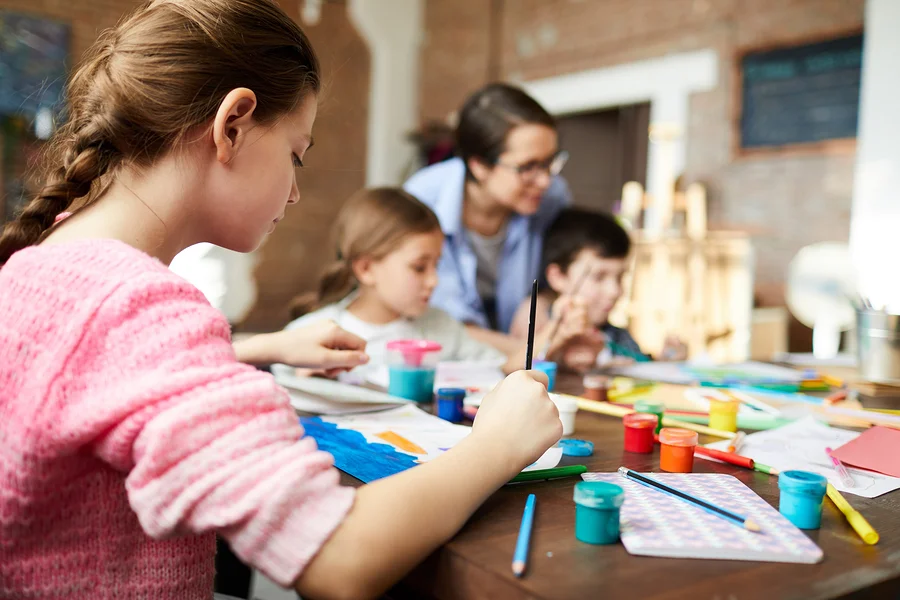
- If you’re an educator, think about how you can make learning joyful and play-based, especially for young children. Rote learning at age four helps no one.
- If you’re working in CSR, tech, or policy, ask: are we investing in the early years? Are we supporting anganwadis and low-income preschools? Are we building tools that reach children in their own languages?
- If you’re a student or volunteer, give your time. Read stories to children. Help out at local NGOs. Be a mentor. Even a small effort can shape a child’s world.


























Sign in to leave a comment.