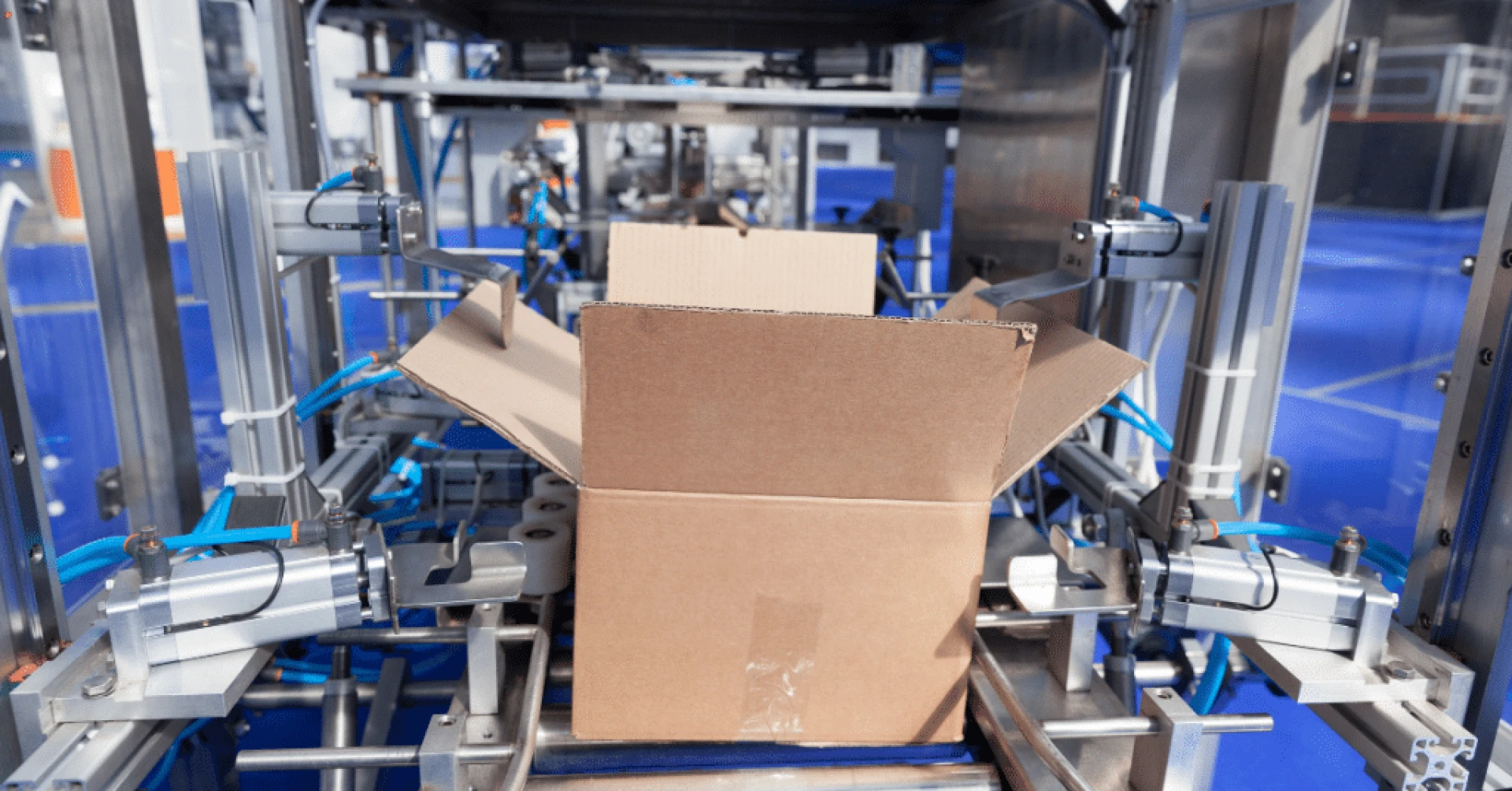

Factories that produce food, drinks, medical items, cosmetics, and many other goods rely on packing systems to move products safely into containers. Manual packing is slow and often leads to errors. Machines allow factories to pack items faster and with stable results. A reliable system helps a factory keep production moving without delays and with consistent output.
When a factory plans a production line, it often works with a packaging machine manufacturer. These manufacturers build machines that measure, fill, seal, and move packaged goods down a production line. The equipment must run smoothly for long periods while keeping every package filled and sealed correctly.
Packing systems are used in many industries. Food factories pack snacks, sauces, and drinks. Pharmaceutical plants pack tablets and capsules. Cosmetic companies pack creams and lotions. In every case, machines keep the process steady and organised.
How Packaging Machines Work
Packing equipment normally operates as part of a full production line. Products move along conveyors and pass through different stages until they are ready for shipping. Each machine performs a clear task in the sequence.
Factories often search for a reliable packaging machine supplier when setting up or expanding a production line. A supplier helps select machines suited to the product type and the packaging style used in the factory.
A typical packing process may include several stages:
Product feeding
Filling or measuring
Sealing or capping
Labelling
Box packing
Every stage must run at the same speed. If one stage slows down, the rest of the line is forced to wait. That is why machine quality and proper setup matter. Equipment must run smoothly while keeping the process stable.
Types of Packaging Machines
There are many types of packaging machines used in production plants. The exact machine used depends on the product and the type of package.
Many factories invest in modern packaging machines that can handle large volumes without stopping. These machines can fill bottles, seal pouches, wrap products, or place items into cartons.
Common machine types include:
Liquid filling machines
Powder filling machines
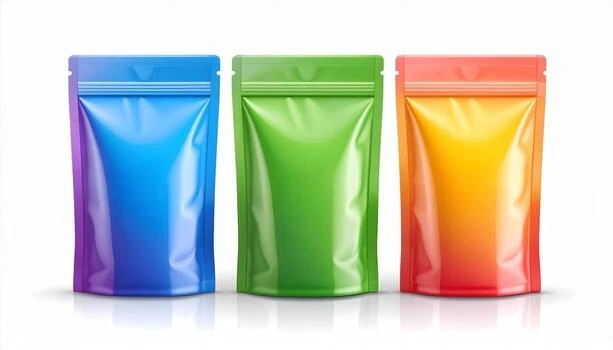
Pouch packing machines
Bottle capping machines
Carton packing machines
Each machine is built for a specific job. For example, a liquid filling system must control flow so each bottle receives the same amount. A powder filler must measure small quantities with high accuracy.
These machines also help reduce product waste. When filling is done by hand, product can spill or containers can be overfilled. Machines measure the product precisely and reduce these problems.
Role of Packing Machine Manufacturers
Factories depend on experienced engineering teams to design and produce reliable equipment. This is where a packing machine manufacturer becomes important. Manufacturers design machines that can run for long production shifts with very little downtime.
A manufacturer must test machines carefully before they are installed in a factory. This includes checking filling accuracy, sealing strength, and speed stability. Proper testing ensures the machine works correctly when production begins.
Manufacturers also design machines that are easy to clean and maintain. Many industries require strict hygiene rules, particularly in food and pharmaceutical production. Machines must allow easy cleaning to meet these standards.
In many factories, a packing system runs all day with only short stops for maintenance. Strong machine design helps prevent mechanical problems that could stop production.
Importance of Reliable Machine Suppliers
Selecting a dependable packing machine supplier plays a large role in production success. Suppliers help factories choose equipment that matches the product, container type, and required production speed.
A good supplier normally reviews several factors before suggesting a machine. These may include product texture, filling volume, packaging material, and expected output per hour.
For example, a snack factory packing chips into pouches will require a different system than a company filling liquid soap into bottles. The supplier must understand the production needs before recommending equipment.
Proper support from a supplier also helps factories install and adjust machines during the first production runs.
Packaging Machinery in Different Industries
Large factories depend on strong and reliable packaging machinery to maintain stable production. These machines are used in many sectors where large volumes of products must be packed quickly.
Food production plants rely on packing equipment for snacks, sauces, frozen meals, and beverages. In these factories, machines must run quickly and maintain hygiene standards.
Pharmaceutical factories require extremely accurate systems. Tablets, capsules, and powders must be packed in precise amounts. Machine accuracy ensures correct dosage.
Cosmetic factories use packing systems for creams, lotions, shampoos, and other products. These products often require careful filling and sealing to prevent leaks.
Consumer goods factories also rely on packing machinery to prepare products for transport and retail shelves.
Improving Production Efficiency
Automated packing systems help factories increase output while reducing labour pressure. Workers can focus on machine supervision and quality checks rather than manual packing tasks.
When machines are running correctly, production lines move smoothly and products leave the factory in a consistent state. Packages are filled correctly, sealed properly, and labelled clearly.
Stable packing systems also help reduce waste. When filling and sealing are precise, fewer products are rejected or damaged. This saves materials and reduces production losses.
Many factories expand their packing capacity when product demand grows. Installing additional machines allows the factory to keep up with higher output without slowing down existing production lines.
Maintenance and Long-Term Operation
Packing machines must be maintained regularly to keep production running smoothly. Routine inspections help detect small mechanical problems before they cause larger breakdowns.
Maintenance usually includes checking moving parts, replacing worn components, and keeping the machine clean. These steps help extend the working life of the equipment.
Operators are normally trained to monitor machine behaviour during production. If filling levels change or sealing pressure becomes inconsistent, adjustments can be made quickly.
Reliable maintenance plans help ensure packing equipment continues operating smoothly for many years.
Practical Use in Production Facilities
In a typical factory environment, several machines work together to form a complete packing line. Products arrive from earlier production stages and enter the packing system automatically.
For example, a beverage factory may use a filling machine to dispense liquid into bottles. The bottles then move to a capping machine, followed by labelling equipment. After that, cartons are packed for shipping.
A snack factory may run a pouch packing system that weighs and fills chips before sealing the bag. The finished bags move into cartons for transport.
These systems allow factories to maintain stable output without slowing production.
Well-built packing systems help companies meet growing product demand while maintaining quality and consistency. When machines are chosen carefully and maintained properly, production lines can operate smoothly for long periods with minimal interruption.




























Sign in to leave a comment.