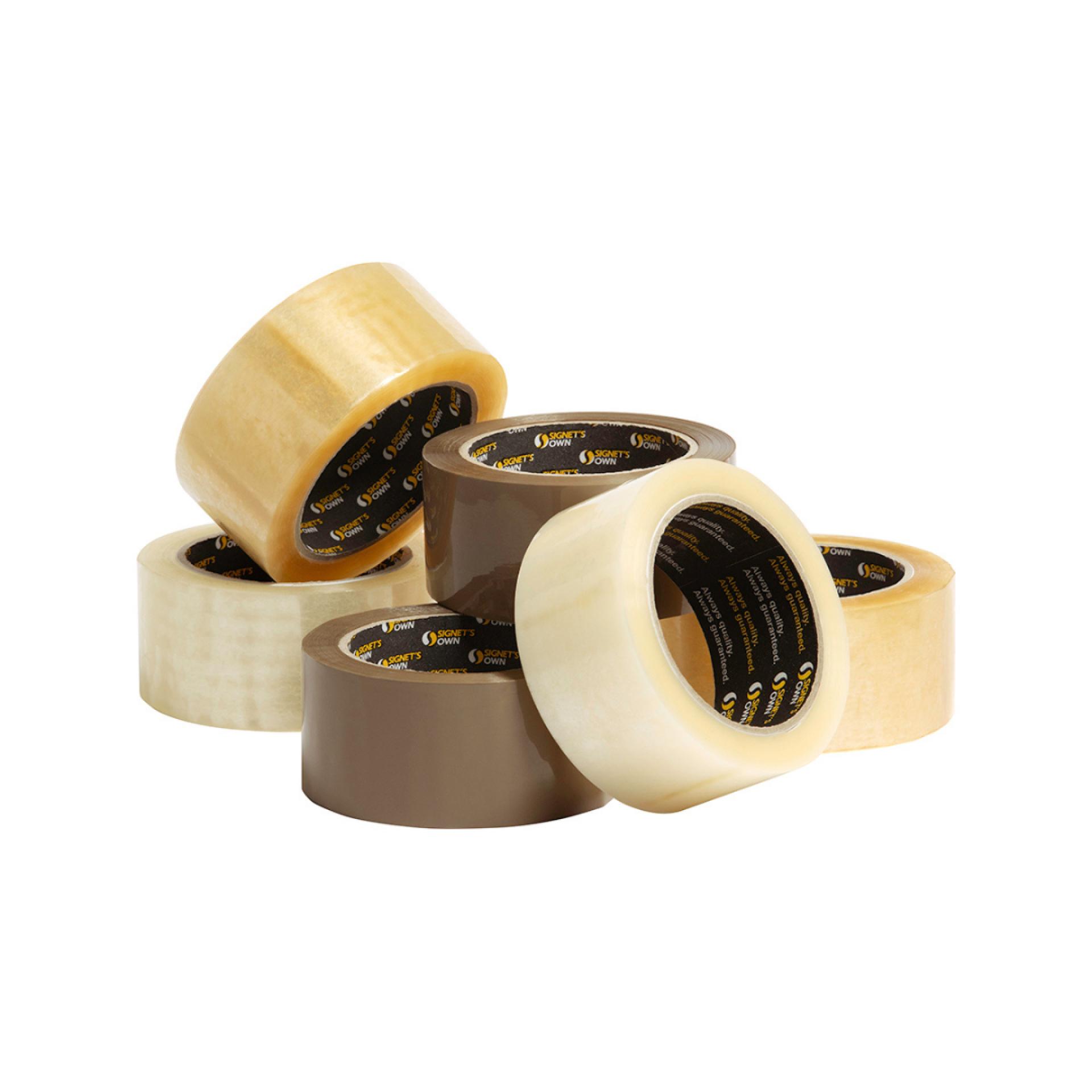

Packaging tape might seem like a simple tool, but choosing the right type can make a big difference when it comes to securing your packages properly. Whether you're shipping products for your business, moving to a new home, or simply organizing storage boxes, the right tape ensures that your packages stay sealed and protected. Let’s break down the different types of packaging tape and how to choose the best one for your needs.
1. Acrylic Packaging Tape
Acrylic packaging tape is a popular choice for general use. It’s made with a water-based adhesive that holds up well in various weather conditions.
Best For:
- Long-term storage in different environments
- Packages that will be stored in hot or cold conditions
Pros:
- Strong adhesive that resists aging
- Doesn’t yellow over time
Cons:
- May not stick well on dusty or dirty surfaces
2. Hot Melt Packaging Tape
Hot melt tape uses a synthetic rubber adhesive that offers a strong, quick bond.
Best For:
- Fast-moving production lines
- Sealing heavy-duty packages
Pros:
- Excellent initial tack and quick bonding
- Strong seal for demanding applications
Cons:
- May lose adhesion in extreme temperature conditions
3. Solvent-Based Packaging Tape
This type of tape has a natural rubber adhesive that makes it durable and reliable even in harsh conditions.
Best For:
- Extreme weather environments
- Heavy and valuable items
Pros:
- High resistance to moisture and temperature changes
- Excellent adhesive strength
Cons:
- Typically more expensive than other types
4. Reinforced (Fiberglass) Packaging Tape
Reinforced packaging tape is designed with fiberglass strands, making it incredibly strong and durable.
Best For:
- Heavy packages
- Securing large shipments
Pros:
- High tensile strength
- Ideal for bundling and reinforcing packages
Cons:
- Can be difficult to cut manually
5. Double-Sided Tape
Double-sided tape has adhesive on both sides, making it useful for more specialized applications.
Best For:
- Crafting and assembly projects
- Securing lightweight packaging materials
Pros:
- Versatile and strong for certain applications
Cons:
- Not suitable for heavy-duty sealing
6. Masking Tape
Although not traditionally used for packaging, masking tape can be helpful for temporary seals and labeling.
Best For:
- Light-duty applications
- Temporary seals
Pros:
- Easy to tear and apply
Cons:
- Limited strength and adhesion
How to Choose the Best Packaging Tape for Your Needs
Here are a few tips to help you pick the right tape:
- Consider the Weight of the Package: For heavy packages, opt for reinforced or solvent-based tape for better security.
- Think About the Environment: If your package will be exposed to extreme temperatures or moisture, choose a solvent-based or acrylic tape.
- Speed and Efficiency: Hot melt tape is ideal for fast-paced packaging lines.
- Special Needs: For craft projects or assembly tasks, double-sided tape works best.
Final Thoughts
Choosing the right packaging tape ensures your items stay secure and arrive in perfect condition. By understanding the different types and their uses, you can make an informed decision that meets your specific needs. Whether you're sealing lightweight packages or shipping heavy goods, there’s a perfect tape for every task.




























Sign in to leave a comment.