
When it comes to consumer safety and product quality, few industries are under as much scrutiny as food and pharmaceuticals. One overlooked yet critical aspect of delivering safe, effective, and reliable products is the packaging. This isn’t just about branding or shelf appeal—it’s about performance, integrity, and compliance. That’s why food and pharma companies heavily depend on specialized packaging testing labs to validate their packaging before products hit the market.
Let’s explore why product packaging testing is so vital in these sectors and how packaging testing methods are helping companies meet strict industry standards.
The High Stakes of Food and Pharmaceutical Packaging
Packaging serves multiple purposes: it protects the product, extends shelf life, prevents contamination, and ensures regulatory compliance. In the pharmaceutical and food industries, these roles are not just important—they are mandatory.
A failure in packaging can lead to:
- Contaminated products
- Product recalls
- Legal penalties
- Damage to brand reputation
- Risks to consumer health
To mitigate these risks, companies turn to packaging testing labs equipped with advanced technology and expertise to simulate real-world conditions and evaluate packaging performance.
What Happens in a Packaging Testing Lab?
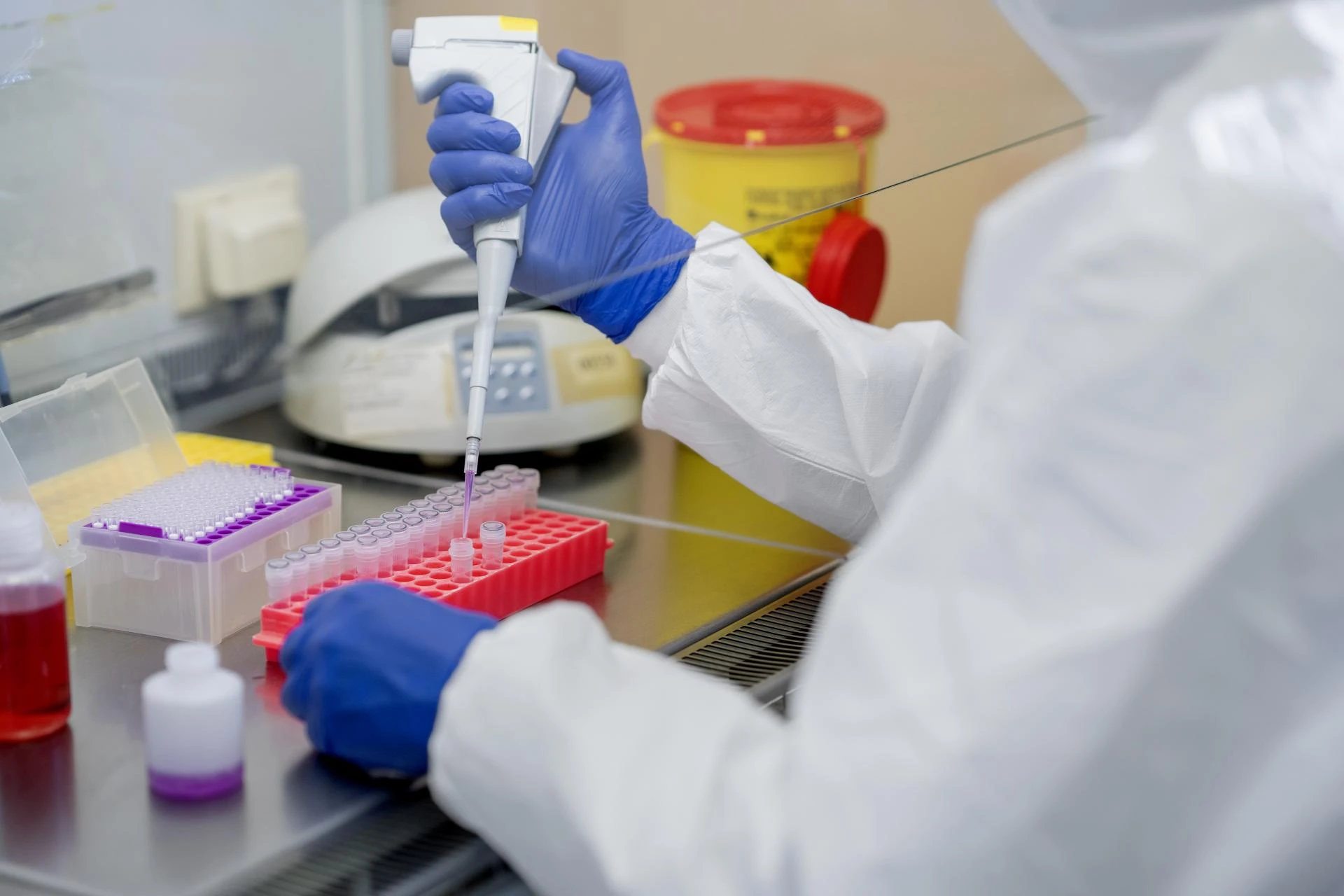
A packaging testing lab performs a wide range of evaluations to ensure packaging can withstand physical, chemical, and environmental challenges throughout its lifecycle.
Common Packaging Testing Methods Include:
- Drop and impact testing: Simulates shipping and handling conditions.
- Compression testing: Assesses stacking strength during storage or transport.
- Seal integrity testing: Ensures packaging is airtight or leak-proof.
- Vibration testing: Mimics transportation scenarios like truck or air freight.
- Accelerated aging: Tests how packaging holds up over time under extreme conditions.
- Permeation testing: Measures how much oxygen, moisture, or other gases can pass through packaging material.
These analytical testing services give manufacturers confidence that their packaging will perform as needed, from warehouse to consumer.
Pharmaceutical Packaging Testing: Not Optional, But Essential
Pharmaceutical packaging testing is subject to some of the most stringent regulations globally. From blister packs to sterile vials, the integrity of packaging is directly tied to patient safety.
Pharma companies rely on certified inspection companies and certification companies to validate packaging performance against standards such as:
- USP <1207> for container-closure integrity
- FDA and EMA guidelines for sterile packaging
- ISO 11607 for packaging of terminally sterilized medical devices
Testing labs ensure that packaging maintains sterility, protects the active ingredients from degradation, and meets shelf-life requirements.
Why Food Packaging Testing Matters More Than Ever
In the food industry, packaging failures can lead to spoilage, contamination, and even foodborne illnesses. Whether it's a vacuum-sealed pouch or a multi-layer carton, the packaging must maintain product freshness and safety until consumption.
Product packaging testing for food may involve:
- Migration testing: Ensures packaging materials don't leach harmful chemicals into the food.
- Barrier testing: Measures how well packaging prevents oxygen and moisture ingress.
- Tamper evidence testing: Verifies consumer protection measures are effective.
Food companies often work with an inspection company or certification company to verify that their packaging complies with FDA, EU, or other local safety regulations.
Choosing the Right Testing Partner
Given the critical nature of packaging performance, selecting the right packaging testing lab is crucial. Look for a lab that offers:
- ISO/IEC 17025 accreditation
- Expertise in both food and pharmaceutical packaging testing
- A wide array of packaging testing methods
- Fast turnaround and detailed, actionable reports
- Capabilities for both routine and custom analytical testing services
Working with a trusted certification company ensures that your packaging not only meets technical standards but also stands up to real-world use.
Conclusion: An Invisible But Indispensable Safeguard
For food and pharma companies, packaging isn't just a container—it's a critical part of the product itself. Failure to validate packaging through proper product packaging testing can result in dangerous, costly consequences.
Packaging testing labs serve as a vital checkpoint in the production chain, using advanced packaging testing methods and analytical testing services to verify compliance, safety, and durability. By partnering with a certified inspection company or certification company, manufacturers can meet global standards, reduce risks, and ensure customer trust.
In industries where the smallest packaging failure can have life-threatening consequences, testing is not just recommended—it’s required.



























Sign in to leave a comment.