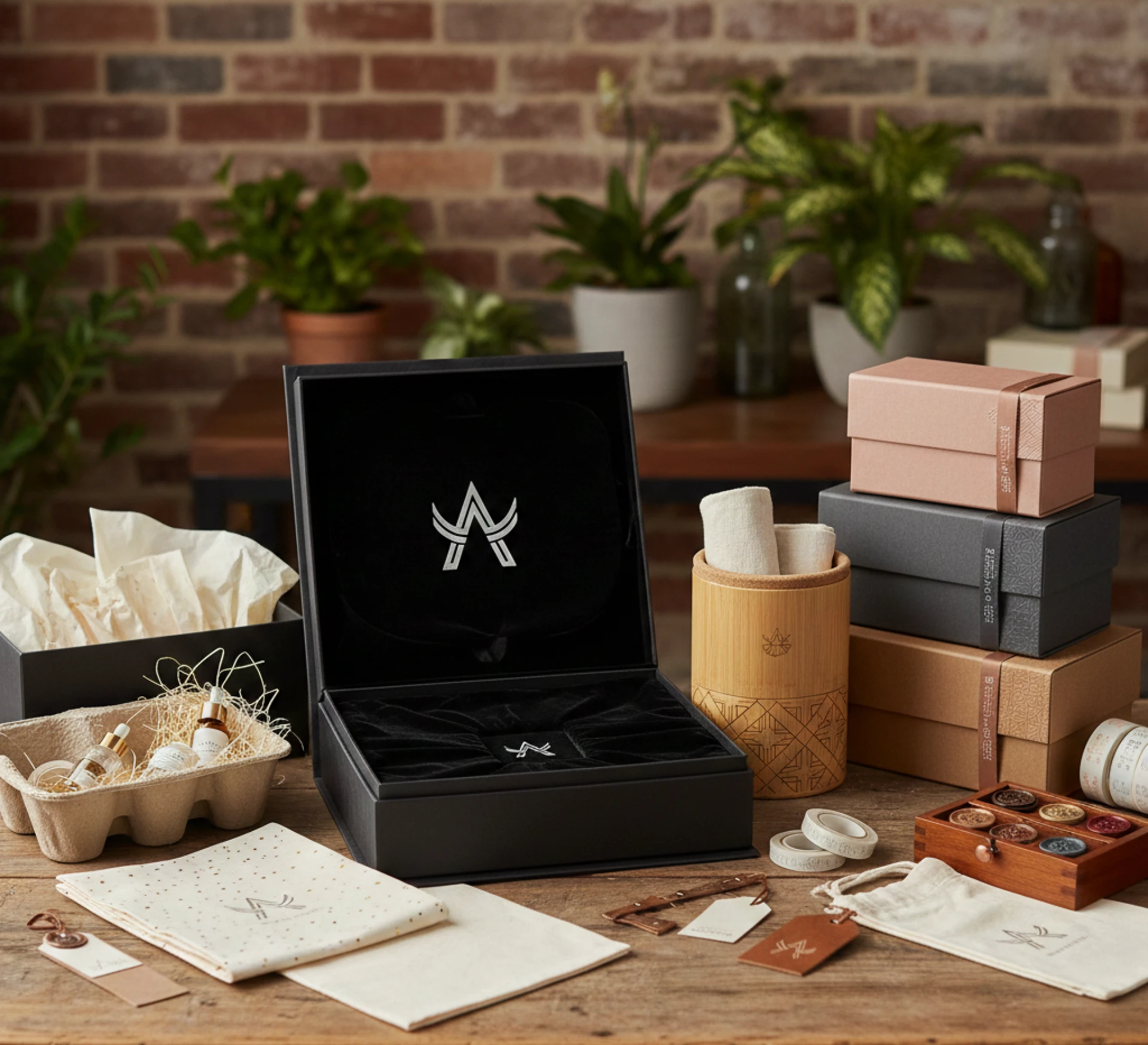

When you run a startup, every decision feels big. Packaging is one of them. Being a startup, this matters even more. You are trying to build trust while competing in the industry, and managing costs at the same time. Packaging is the first thing customers see. Before they try your product, they judge the box. If it looks careless, they may assume the product is too. It also protects what you sell. If products are damaged, trust drops very fast. Replacements would cost money and your brand reputation might suffer. And then there is budget. Startups cannot afford waste. Overspending on packaging too early can slow growth. Good packaging is not about being flashy. It is about being practical, clear, and cost aware. Here is what every startup should keep in mind.
1. Understand Your Product Requirements
Start with the basics. How big is your product? How heavy? Is it fragile? Does it have sharp edges? Does it react to heat or moisture? A candle in a glass jar needs cushioning. A cotton t-shirt does not. A heavy item needs a stronger board than a lightweight one. Think about storage needs as well. Will your product sit in a warehouse for months? Will it travel long distances? When you understand your product fully, your packaging decisions become easier. Guessing and playing around will only lead to wastage.
2. Start with Simple and Functional Designs
It is tempting to go bold from day one. Unique shapes, fancy finishes, complex openings and what not. But complex packaging costs more. It takes longer to produce. It is harder to assemble. In the early stages, it is recommended to keep things simple. A well sized box that opens easily and protects the product is enough. Customers care more about the product than a complicated structure. You can always upgrade later. First, make sure it works.
3. Pick Materials That Fit Your Budget
Material choice shapes both cost and quality. Cardboard and paperboard are popular for a reason. They are strong, affordable, and easy to print on. Corrugated board is ideal for shipping and deliveries. Do not pick the cheapest option without checking strength. Weak packaging can lead to damage, and damage costs more than slightly thicker material. Ask for samples. Compare thickness. Test how it feels in your hands. Think long term. A small increase in material quality can reduce returns and complaints.
4. Prioritise Product Protection
Product protection should never be ignored. Damage during storage or delivery can harm your brand reputation. Use inserts if needed. Custom inserts hold products in place and reduce movement. This is especially useful for glass, electronics, or multiple items packed together. Test your packaging. Drop it from a reasonable height. Apply pressure. See what happens. If it fails in your test, it will likely fail in transit.
5. Invest in Basic Branding
You do not need complex printing to look professional. Even simple branding can improve how people see your product. A clear logo. Clean layout. Consistent colours. That is enough to start. Branding makes your packaging recognisable. It shows effort. It signals that your business is organised. Avoid overcrowding the design. Too much text can look messy. Keep it readable. Even a simple one colour print can lift the look of plain packaging.
6. Plan for Delivery from the Start
Shipping should influence your packaging from the start. Large boxes cost more to ship. Extra weight increases fees. Empty space inside a box is wasted money. Design packaging that fits your product closely. Try to reduce unnecessary bulk as much as possible. Check courier size and weight limits. If your box crosses a pricing threshold by a small margin, you may end up paying much more per parcel. Also think about durability. Long distance delivery may require stronger outer cartons. Packaging and shipping should work together, not against each other.
7. Order the Right Quantities
Bulk orders reduce cost per unit. That sounds good. However, this can be risky for startups because large stock ties up cash. If your design changes or demand drops, unused boxes become dead weight. Start with moderate quantities. Test the market first. See how customers respond. Once sales are steady, you can increase order size with more confidence. Protecting cash flow is more important than chasing small savings early on.
8. Consider Sustainable Options
Many buyers care about environmental impact. Sustainable packaging can influence purchasing decisions. Paper based materials are widely recycled. Using recycled content can also reduce your footprint. Avoid excess layers that serve no purpose. Minimal packaging often feels more responsible and thoughtful. If your packaging is recyclable, state it clearly. Be accurate. Customers value honesty. Sustainability does not have to mean high cost. Often, simpler packaging is both cheaper and better for the environment.
9. Test It Before You Produce in Bulk
Never skip testing. Before committing to a full production run, test your packaging. Request samples before placing a large order. Check print clarity. Check fit. Assemble the box yourself. Send a few test packages through your delivery process. See how they arrive. Small trials reveal issues early. Maybe the insert is too tight. Maybe the lid opens too easily. These problems are easier to fix before full production. Testing reduces risk and builds confidence.
10. Choose the Right Packaging Partner
A good supplier can make the process smooth. An unsuitable one can create delays and stress. Look for clear communication. Transparent pricing. Realistic timelines. A good packaging partner understands that startups may need smaller runs and flexibility. They should guide you on materials and structure without pushing unnecessary upgrades. Ask about lead times and capacity. As your orders grow, they should be able to grow with you. The right supplier becomes a long term support, not just a vendor. Startups benefit from suppliers who understand smaller order runs and flexible timelines. Hot Custom Boxes UK works closely with growing brands to offer practical solutions without pushing unnecessary extras.
11. Keep Reviewing and Make Improvements
Packaging is not fixed forever. As your brand grows, your needs may change. You might add new products. You might enter new markets. Listen to customer feedback. If people mention damage, difficulty opening, or excess packaging, pay attention. Monitor packaging costs regularly. If material prices shift, explore alternatives. Small improvements over time keep your packaging aligned with your business.
Final Thoughts
For startups, packaging is a balance. It must protect the product. It must look professional. It must stay within budget. You do not need complex designs or high end finishes to make an impact. You need thoughtful choices. Understand your product. Keep designs simple. Test properly. Order wisely. Work with the right partner. Good packaging supports growth. Poor packaging slows it down. Keep it practical. Keep it clear. Let it work for you.
























Sign in to leave a comment.