
Introduction
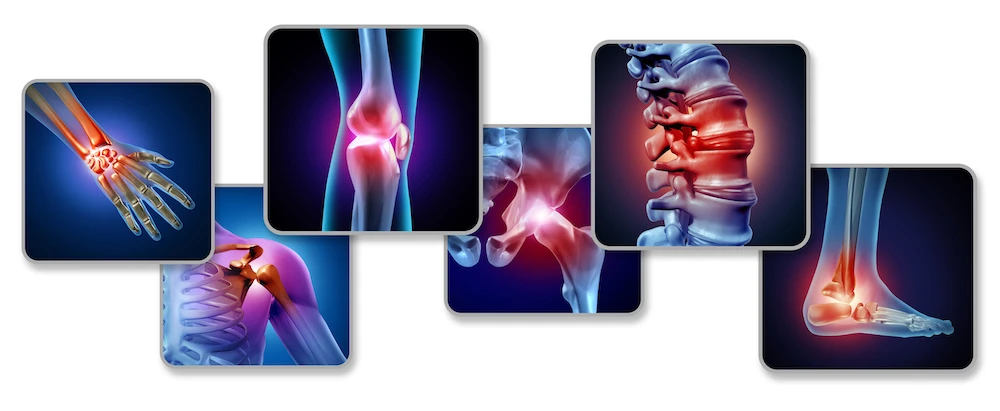
Humans feel pain regardless of their ethnic, geographic, or socioeconomic background. It's a multifaceted phenomenon that affects not just physical discomfort but also emotion, thought, and even social relations. A shattered bone might cause searing agony, or the pounding ache of a headache; pain takes many different forms and affects people differently. This essay explores the complex nature of pain, looking at its psychological and physiological aspects as well as the different ways that it can be experienced subjectively.
The physiology of pain
Fundamentally, pain is the body's reaction to unpleasant stimuli. Specialized nerve endings called nociceptors are used to identify stimuli that may be damaging, such as high pressure, heat, or tissue injury. The spinal cord subsequently carries these impulses to the brain, where they are perceived as pain. This connection is mediated by a complex network of neurotransmitters and receptors, demonstrating the extraordinary intricacy of the physiological mechanisms underpinning pain perception.
Apart from the direct sensory experience, pain plays an important defensive role. It alerts people to risk and motivates them to take precautions to avoid more damage. But occasionally, the physiological processes go awry, resulting in chronic pain situations where the pain continues long after the acute threat has passed. Disorders like neuropathy and fibromyalgia highlight the complex relationship between the nervous system and pain perception, casting doubt on the idea that pain is solely a physical experience.
Pain's Psychological Aspects
The way that pain is experienced is greatly influenced by the mind. Pain perception can be increased or decreased depending on emotions, thought processes, and prior experiences. For example, pain might become more intense due to anxiety, stress, or despair. This can lead to a vicious cycle in which emotional discomfort is made worse by pain and vice versa. Individual variances in pain thresholds and pain tolerance further highlight how subjective the experience is.
Another level of intricacy is added by the phenomena of phantom limb pain, which shows how the brain can produce pain feelings even in the absence of physical inputs. When a limb is amputated, the brain interprets the pain as though the missing limb is still there. This occurrence casts doubt on the widely held belief that pain results directly from tissue damage by highlighting the complex interactions between sensory information and the brain's interpretation of that input.
The Impact of Society and Culture on Pain (about 400 words):
Pain is not only a personal sensation; societal and cultural variables have a significant impact on it as well. People's coping mechanisms and modes of expression are influenced by cultural norms and expectations, as well as societal attitudes about suffering. Stoicism may be admired in some societies, which encourages people to minimize their suffering and bear it in silence. Some cultures, on the other hand, might promote candid communication of suffering as a way to get understanding and support.
The socioeconomic level and healthcare access both have a role in the differences in pain treatment. People who have limited access to medical care may experience prolonged pain, which exacerbates their suffering. The opioid crisis in some areas emphasizes the need for comprehensive and customized approaches to pain care by highlighting the difficulties in striking a balance between the danger of substance dependence and effective pain management.
Summarize
In summary, pain is a complicated, multidimensional phenomenon that exists outside of the strictly physical realm. A comprehensive understanding of pain necessitates taking into account its social, psychological, and physiological aspects. Healthcare providers, researchers, and society at large can develop more effective pain treatment techniques and promote greater empathy for those traversing the complex terrain of pain by appreciating the complicated interplay of these elements.




























Sign in to leave a comment.