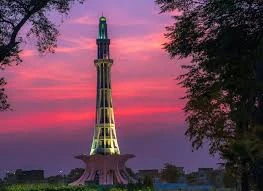

Pakistan is a country rich in history, culture, and natural beauty. Located in South Asia, Pakistan is the fifth most populous country in the world and a nation with deep traditions, diverse landscapes, and a resilient people. From the towering mountains of the north to the vast deserts and coastal regions in the south, Pakistan offers a unique combination of history, nature, and cultural diversity.
This blog explores Pakistan’s history, culture, geography, economy, tourism, and the future opportunities that make the country special.
The History of Pakistan
The land that is now Pakistan has a long and fascinating history. Thousands of years ago, it was home to one of the world’s oldest civilizations known as the Indus Valley Civilization. Cities like Mohenjo-Daro and Harappa were among the earliest urban settlements in human history. These cities had advanced drainage systems, organized streets, and sophisticated architecture.
Over centuries, many empires ruled this region, including the Persian Empire, Greek rulers under Alexander the Great, the Mauryan Empire, and later the Mughal Empire. Each empire left its mark on the culture, architecture, and traditions of the region.
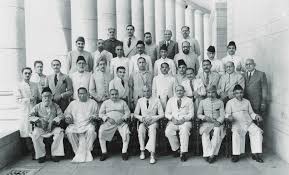
Pakistan became an independent nation on August 14, 1947, after the end of British rule in the Indian subcontinent. The country was created to provide a homeland for Muslims in the region. The founder of Pakistan, Muhammad Ali Jinnah, played a crucial role in the creation of the nation and is respected as the “Quaid-e-Azam,” meaning the Great Leader.
Since independence, Pakistan has faced many challenges but has continued to grow and develop as a strong and proud nation.
Geography and Natural Beauty
Pakistan is known for its incredible geographical diversity. The country has mountains, rivers, deserts, plains, and a long coastline along the Arabian Sea.
Northern Mountains
The northern region of Pakistan is home to some of the highest mountains in the world. The Karakoram, Himalaya, and Hindu Kush mountain ranges meet in this area. The famous K2, the second-highest mountain in the world, is located in Pakistan.
The northern areas such as Hunza, Skardu, Gilgit, and Swat are known for their breathtaking scenery. These regions attract tourists from around the world who come to see snow-covered peaks, crystal-clear lakes, and lush green valleys.
Rivers and Plains
Pakistan is blessed with the mighty Indus River, which flows through the country from north to south. The fertile plains around the Indus River support agriculture and provide food for millions of people.
Punjab and Sindh provinces have vast agricultural lands where crops such as wheat, rice, cotton, and sugarcane are grown.
Deserts and Coastline
Pakistan also has large deserts such as the Thar Desert and the Cholistan Desert. These deserts have unique cultures and traditions, including colorful festivals and camel races.
In the south, Pakistan has a long coastline along the Arabian Sea, where major ports like Karachi and Gwadar are located.
Cultural Diversity
Pakistan is a country of rich cultural diversity. Many ethnic groups live in Pakistan, including Punjabis, Sindhis, Pashtuns, Baloch, and others. Each group has its own language, traditions, clothing, and music.
Despite these differences, the people of Pakistan share common values such as hospitality, respect for elders, and strong family connections.
Languages
Urdu is the national language of Pakistan and is widely understood across the country. However, many regional languages are also spoken, including Punjabi, Sindhi, Pashto, Balochi, and Saraiki.
English is also commonly used in education, government, and business.
Traditional Clothing
Traditional clothing is an important part of Pakistani culture. The national dress is the shalwar kameez, worn by both men and women.
Women often wear beautifully embroidered dresses with colorful scarves called dupattas. Men may wear simple shalwar kameez or traditional waistcoats during special occasions.
Festivals and Traditions
Pakistan celebrates many cultural and religious festivals throughout the year.
Eid Celebrations
Eid-ul-Fitr and Eid-ul-Adha are the two most important Islamic festivals in Pakistan. During Eid, families gather together, share meals, give charity, and celebrate with joy.
Independence Day
Every year on August 14, Pakistan celebrates its Independence Day with parades, fireworks, and patriotic events. Buildings are decorated with green and white lights, and people proudly wave the national flag.
Cultural Festivals
Various regions in Pakistan also celebrate traditional festivals. For example:
- Basant festival in Punjab
- Lok Mela cultural festival
- Shandur Polo Festival in the northern mountains
These festivals highlight the colorful traditions and heritage of Pakistan.
Food of Pakistan
Pakistani cuisine is famous for its rich flavors and spices. Food plays a central role in social gatherings and family celebrations.
Some popular Pakistani dishes include:
- Biryani – A spicy rice dish cooked with meat and aromatic spices
- Nihari – A slow-cooked beef stew often eaten for breakfast
- Karahi – A flavorful curry cooked in a wok-like pan
- Chapli Kebab – A popular Pashtun-style meat kebab
Halwa Puri – A traditional breakfast meal

Street food is also extremely popular in Pakistan. Cities like Lahore and Karachi are famous for their food streets, where people enjoy delicious meals late into the night.
Tourism in Pakistan
In recent years, tourism in Pakistan has grown significantly. The country offers many attractions for travelers, including natural beauty, historical sites, and cultural experiences.
Mountain Tourism
Adventure seekers visit Pakistan for trekking, mountaineering, and camping in the northern mountains. The Karakoram Highway, often called the eighth wonder of the world, connects Pakistan with China and passes through stunning landscapes.
Historical Sites
Pakistan is home to many important historical landmarks, including:
- Mohenjo-Daro ruins
- Taxila archaeological sites
- Lahore Fort and Badshahi Mosque
These locations attract historians and travelers interested in ancient civilizations and Mughal architecture.
Religious Tourism
Pakistan also welcomes religious pilgrims from around the world. Important religious sites include Sikh temples such as Kartarpur Sahib and Buddhist heritage sites in the Gandhara region.
Economy and Development
Pakistan has a developing economy with strong potential in many sectors.
Agriculture
Agriculture is one of the largest sectors in Pakistan’s economy. The country produces crops such as wheat, rice, cotton, sugarcane, and fruits like mangoes and oranges.
Pakistan is also one of the world’s largest producers of cotton and textiles.
Industry and Manufacturing
The textile industry is the backbone of Pakistan’s exports. Many garments and fabrics produced in Pakistan are exported to countries around the world.
Other industries include cement, chemicals, electronics, and sports goods. The city of Sialkot is famous for producing high-quality sports equipment used internationally.
Technology and Startups
In recent years, Pakistan’s technology sector has grown rapidly. Many young entrepreneurs are launching startups in software development, e-commerce, and digital services.
Freelancing and remote work have also become popular among Pakistani youth.
Education and Youth
Pakistan has a large young population. Many universities and educational institutions are working to improve education and research opportunities.
Students in Pakistan are studying fields such as engineering, medicine, information technology, and business. Education is seen as a key factor in the country’s future development.
Youth programs, entrepreneurship initiatives, and digital learning platforms are helping young people build new skills and create innovative ideas.
Challenges and Opportunities
Like many developing countries, Pakistan faces challenges such as poverty, unemployment, and infrastructure development. However, the country also has many opportunities for growth.
Investments in technology, education, tourism, and renewable energy can help Pakistan build a stronger economy in the future.
International cooperation and improved governance can also support sustainable development.
The Future of Pakistan
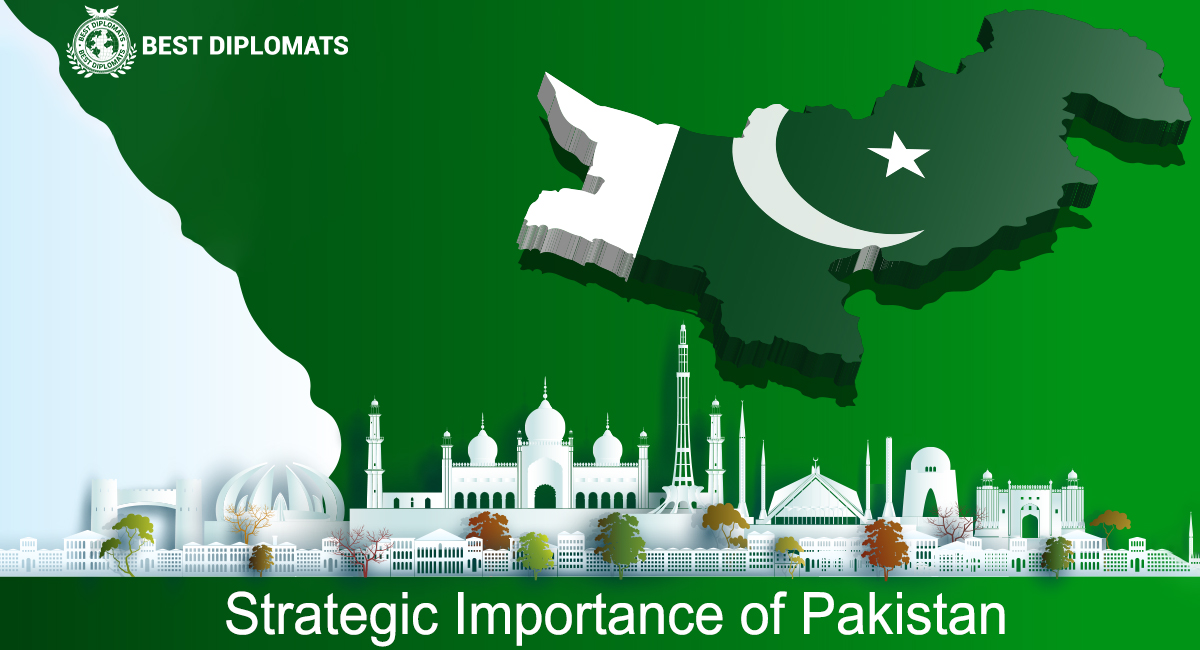
Pakistan’s future depends largely on its young population, natural resources, and strategic location. The country connects South Asia, Central Asia, and the Middle East, making it an important hub for trade and commerce.
Projects such as infrastructure development, digital transformation, and energy production are helping improve the country’s economic prospects.
With innovation, education, and unity, Pakistan has the potential to become an even stronger and more prosperous nation.
Conclusion
Pakistan is a country filled with history, culture, and natural beauty. From ancient civilizations and majestic mountains to vibrant traditions and delicious cuisine, Pakistan offers a unique identity that reflects resilience and diversity.
Although challenges remain, the people of Pakistan continue to work toward progress and development. With its rich heritage, talented youth, and growing opportunities, Pakistan stands as a nation with great potential for the future.
For travelers, historians, and anyone interested in culture and nature, Pakistan remains a fascinating country worth exploring and understanding. 🇵🇰


























Sign in to leave a comment.