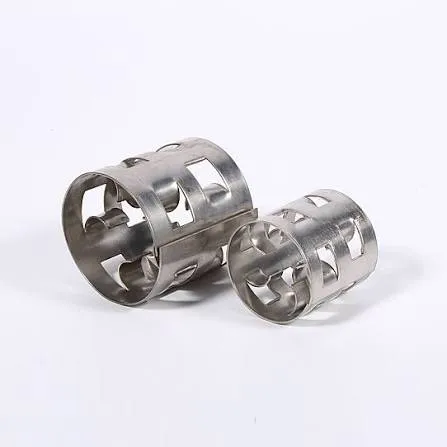

Industrial separation processes play a vital role in chemical, petrochemical, pharmaceutical, fertilizer, and water treatment industries. The efficiency of these processes depends on many factors, and one of the most important is the quality of the tower packing used inside the column. Among the different types of random packing available today, Pall Rings are one of the most trusted and widely used solutions.
Choosing experienced Pall Ring manufacturers ensures high-quality products that improve mass transfer efficiency, reduce pressure drop, and provide long-lasting performance. Whether used in absorption towers, distillation columns, or scrubbers, Pall Rings help industries achieve better productivity while reducing operating costs.
In this blog, we will explore what Pall Rings are, their advantages, applications, materials, and how to choose the right manufacturer.
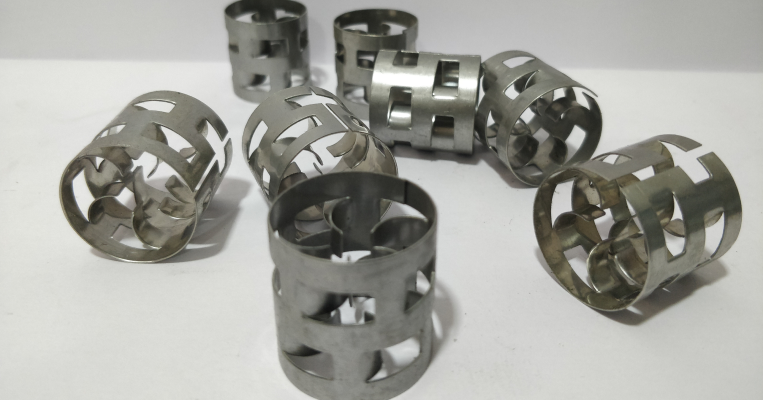
What Are Pall Rings?
Pall Rings are a type of random tower packing designed to improve the contact between liquids and gases inside process columns. They are an improved version of Raschig Rings, featuring windows and internal tabs that increase the available surface area while allowing fluids to flow more freely. This design improves mass transfer efficiency and reduces pressure drop compared to traditional random packing.
Because of their open structure, Pall Rings allow better distribution of liquid and gas throughout the packed bed. This results in higher process efficiency and improved separation performance.
Why Are Pall Rings So Popular?
Many industries choose Pall Rings because they offer several operational advantages over conventional packing materials.
Some of the major benefits include:
- High mass transfer efficiency
- Low pressure drop
- Large open surface area
- Excellent liquid distribution
- Reduced risk of clogging
- High mechanical strength
- Long service life
- Easy installation and maintenance
- Suitable for high-capacity operations
These advantages make Pall Rings an ideal solution for both new process plants and existing system upgrades.
Types of Pall Rings
Reliable Pall Ring manufacturers produce these packing materials in various materials to suit different industrial requirements.
Plastic Pall Rings
Plastic Pall Rings are lightweight and resistant to many corrosive chemicals. They are commonly made from:
- Polypropylene (PP)
- PVC
- CPVC
- PVDF
- HDPE
- PTFE
- PFA
- FEP
Plastic Pall Rings are widely used in chemical processing, water treatment, and acid handling systems.
Metal Pall Rings
Metal Pall Rings provide excellent mechanical strength and high-temperature resistance.
Common materials include:
- Stainless Steel 304
- Stainless Steel 316
- Duplex Steel
- Hastelloy
- Titanium
- Aluminum
- Copper
They are suitable for demanding industrial environments where high pressure and elevated temperatures are involved.
Ceramic Pall Rings
Ceramic Pall Rings are known for their excellent resistance to heat and chemical corrosion. They are commonly used in highly corrosive environments and high-temperature applications.
Applications of Pall Rings
Pall Rings are used across a wide range of industries because they provide reliable gas-liquid contact.
Common applications include:
Distillation Columns
Pall Rings improve vapor-liquid contact, helping industries achieve efficient separation with lower energy consumption.
Absorption Towers
They increase the contact area between gases and liquids, improving absorption efficiency.
Scrubbers
Industrial scrubbers use Pall Rings to remove pollutants, harmful gases, and dust particles from exhaust streams.
Chemical Reactors
Pall Rings help improve mixing and reaction efficiency by increasing the contact surface.
Water Treatment Plants
Water treatment facilities use Pall Rings in aeration systems and gas stripping operations.
Petrochemical Plants
Petrochemical industries rely on Pall Rings for separation and purification processes.
Fertilizer Industry
They support efficient gas treatment and chemical processing operations.
Pharmaceutical Industry
Pall Rings assist in maintaining efficient and consistent process performance.
Maintenance Tips for Pall Rings
Although Pall Rings require minimal maintenance, regular inspection helps maintain process efficiency.
Recommended practices include:
- Inspect packed columns periodically.
- Remove accumulated deposits if necessary.
- Replace damaged packing during shutdowns.
- Ensure proper liquid distribution.
- Monitor pressure drop regularly.
- Follow recommended operating conditions.
Proper maintenance extends the service life of both the packing and the process equipment.
Future Demand for Pall Rings
As industries continue to improve energy efficiency and reduce operating costs, the demand for high-performance tower packing is increasing. Modern manufacturing techniques have also improved the quality of plastic, metal, and ceramic Pall Rings.
Industries are increasingly selecting advanced Pall Rings because they offer:
- Higher efficiency
- Lower maintenance
- Improved environmental performance
- Better productivity
- Longer operational life
This growing demand is encouraging Pall Ring manufacturers to develop more durable, efficient, and application-specific products for various industries.
Conclusion
Pall Rings have become one of the most reliable random packing solutions used in industrial separation processes. Their unique design provides excellent mass transfer, low pressure drop, and outstanding durability across a wide range of applications. Whether used in chemical plants, petrochemical industries, scrubbers, distillation columns, or water treatment systems, they contribute significantly to process efficiency and operational reliability.

























Sign in to leave a comment.