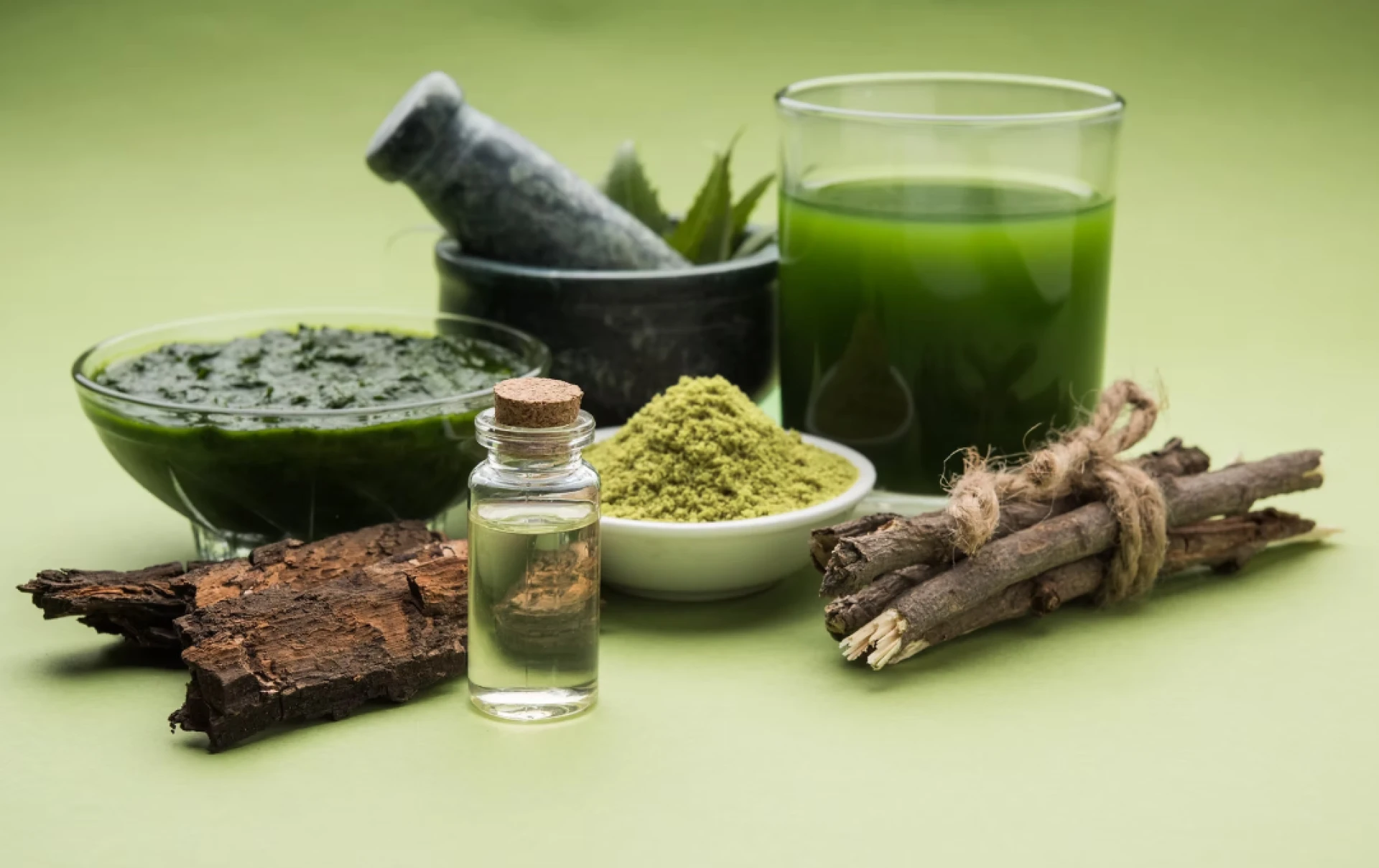

Panchakarma ayurveda therapy is one of the most important detoxification and rejuvenation treatments described in Ayurveda.
The word Panchakarma literally means “five actions” or “five therapeutic procedures” that are used to cleanse the body
and remove accumulated toxins. These therapies help restore balance among the three doshas—Vata, Pitta, and Kapha—and
improve the body’s natural healing capacity.
Over time, toxins known as “Ama” can accumulate in the body due to poor digestion, unhealthy lifestyle habits, stress,
and environmental factors. This accumulation of toxins may interfere with normal body functions and contribute to various
health problems. Panchakarma therapy works by removing these toxins and rejuvenating the body so that organs and tissues
can function more efficiently.
One of the major benefits of Panchakarma therapy is detoxification. By eliminating toxins from the body, this therapy helps
improve metabolism, digestion, and blood circulation. Improved circulation ensures that vital organs receive better
nourishment and oxygen, which supports overall health and wellbeing.
Panchakarma therapy is also known for strengthening the immune system and improving nervous system function.
When the body becomes detoxified and balanced, energy levels improve, mental clarity increases, and the body becomes
more capable of maintaining long‑term health.
In Ayurvedic eye care, Panchakarma therapy is often used as a supportive treatment to improve circulation and nourishment
to the eyes. The eyes depend heavily on healthy blood circulation and nerve function to maintain proper vision.
When circulation improves, the tissues of the eyes—including the retina and optic nerve—receive better nourishment.
Several Ayurvedic therapies associated with Panchakarma can support eye health. One such therapy is Netra Tarpana,
which involves gently applying medicated herbal ghee around the eyes to nourish the eye tissues and improve comfort.
Another therapy is Nasya, where medicated oils are administered through the nasal passages to support circulation
and nerve function in the head region. Shiro Abhyanga, a therapeutic head massage using herbal oils, helps improve
circulation in the scalp and relax the nervous system.
While Panchakarma therapy focuses on detoxification and rejuvenation, Ayurvedic oral medicines are often used
alongside these therapies to provide deeper nourishment to the body. Herbal formulations can help support
retinal circulation, nerve health, and the delicate tissues responsible for vision.
At Vedicmed Global, Panchakarma therapy may be combined with specialized Ayurvedic formulations designed to support
eye health and overall wellbeing. The combination of detoxification therapies and herbal medicines helps support
both internal balance and ocular health.
Ayurveda emphasizes a holistic approach in which the health of the eyes is closely connected to the health of the
entire body. By improving digestion, circulation, and detoxification, Panchakarma therapy helps create an internal
environment that supports long‑term wellness and healthy vision.
Through traditional Ayurvedic principles and carefully designed treatment protocols, Panchakarma therapy continues
to play an important role in promoting natural healing, supporting eye health, and improving overall wellbeing.





























Sign in to leave a comment.