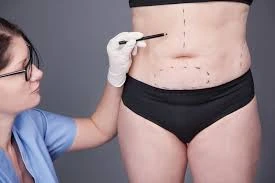

Panniculectomy: Before and After
A panniculectomy is a body contouring procedure that removes excess skin and fat from the lower abdomen, typically extending from the hip bones to the pubic area. This procedure is sometimes performed in conjunction with an abdominal lipectomy, which is also known as a tummy tuck.
Panniculectomies are often performed on patients who have undergone massive weight loss, either through bariatric surgery or through diet and exercise. The procedure can also be performed on patients who have never been overweight but have excess skin and fat in the lower abdominal area that they would like to remove.
The best candidates for a panniculectomy are in good physical health, close to their ideal body weight, and have realistic expectations for the results of the surgery.
The surgery is typically performed under general anesthesia and takes two to three hours to complete. During the procedure, the surgeon will make an incision along the lower abdomen, from hip bone to hip bone. Through this incision, the surgeon will remove excess skin and fat. The incisions will then be closed with stitches or staples.
After the surgery, patients will spend a few hours in the recovery room before being discharged to home. It is important to have someone with you who can drive you home and stay with you for the first 24 hours after surgery.
Most people report feeling some pain and discomfort after the surgery, but this can be controlled with pain medication. Swelling and bruising are also common and will resolve over the course of a few weeks. It is important to wear a compression garment as directed by your surgeon to help minimize swelling.
Most people take two to three weeks off from work to recover from the surgery. During this time, you should avoid any strenuous activity, lifting, or straining. You will likely have some follow-up appointments with your surgeon to ensure that your incisions are healing properly.
The results of a panniculectomy are typically permanent, provided you maintain a healthy weight. If you gain weight, the skin and fat may return, although usually to a lesser degree than before surgery.
If you are considering a pannicu
1. What is a panniculectomy?
A panniculectomy is a surgical procedure to remove excess skin and fat from the lower abdomen. It is also known as an apronectomy or lower body lift. The surgery is often performed after massive weight loss to remove excess skin that hangs down from the lower abdomen. It can also be performed to treat abdominal pain or rashes caused by the excess skin.
The surgery is usually performed as an outpatient procedure, meaning you can go home the same day. It takes about two to three hours to complete. During the surgery, your surgeon will make an incision in your lower abdomen and remove the excess skin and fat. The incision will be closed with stitches. You will be given a compression garment to wear to help support your abdomen and incisions as you heal.
Panniculectomy Before and After
Most people who undergo panniculectomy surgery are happy with their results. The surgery can take years off your appearance and dramatically improve your body shape. It is important to remember that the surgery is not a weight loss procedure. You will still need to maintain a healthy lifestyle and diet to keep the excess skin from returning.
2. What are the benefits of a panniculectomy?
A panniculectomy is a type of abdominal surgery that removes excess skin and fat from the lower belly. It's often done along with a tummy tuck (abdominoplasty), but can also be done as a standalone procedure.
Panniculectomy can be an effective way to improve your appearance and body shape. It can also help relieve physical symptoms caused by excess skin and fat, such as back pain, rashes, and difficulty moving or exercising.
If you're considering a panniculectomy, it's important to understand the risks and potential complications of the surgery. You should also be at a healthy weight and have realistic expectations about the results.
Panniculectomy can offer many benefits, including:
Improved appearance. Excess skin and fat in the lower belly can be unsightly and make you feel self-conscious. Panniculectomy can remove this excess tissue and give you a smoother, more toned appearance. Relief from physical symptoms. Excess skin and fat can cause physical symptoms such as back pain, rashes, and difficulty moving or exercising. Panniculectomy can help relieve these symptoms by removing the excess tissue. Improved body shape. Panniculectomy can help improve your overall body shape by removing excess skin and fat from the lower belly. This can make it easier to fit into clothes and may help you feel more comfortable in your own skin.Panniculectomy is a major surgery that comes with risks and potential complications, including:
Bleeding Infection Blood clots Seroma (an accumulation of fluid under the skin) Skin necrosis (death of skin tissue) Wound breakdown Persistent pain ScarringBefore undergoing panniculectomy, it's important to be at a healthy weight and have realistic expectations about the results. The surgery is not meant for weight loss, and it's important to be aware that you may still have some loose skin after the procedure.
3. What can I expect before and after my panniculectomy surgery?
Are you considering a panniculectomy? This type of surgery is becoming increasingly popular as people seek ways to improve their body shape and address health concerns. If you are carrying around excess abdominal skin and fat, you may be a good candidate for this procedure.
A panniculectomy is a type of abdominal surgery that removes excess skin and fat from the lower abdomen. This can include the area around the pubic bone, the mons pubis, and the labia majora. The surgery is often performed in conjunction with a tummy tuck, which removes excess skin and fat from the upper abdomen.
The surgery is usually performed as an outpatient procedure, which means you will be able to go home the same day. The procedure takes about two to three hours to complete. You will likely be given general anesthesia, which will put you to sleep for the duration of the surgery.
After the surgery, you can expect some swelling and discomfort. You will be given pain medication to help with this. You will also have drains in place to help with the swelling. The drains will be removed after a few days.
You will need to take it easy for the first few days after the surgery. You should not lift anything heavy or do any strenuous activity. You will likely need to take two to three weeks off from work.
After the surgery, you will see a dramatic transformation in your appearance. The excess skin and fat will be gone, and you will have a more contoured abdominal area. This can help you feel more confident in your appearance and improve your overall quality of life.
4. How do I prepare for my panniculectomy surgery?
Panniculectomy surgery is a life-changing event. It can help improve your quality of life and your self-esteem. It's important to be as prepared as possible for your surgery so that you can have the best possible outcome.
Here are some tips on how to prepare for your panniculectomy surgery:
Choose the right surgeon. This is the most important step in preparing for your surgery. Make sure you choose a board-certified plastic surgeon who has experience performing panniculectomies. Get a physical exam. Your surgeon will likely require a physical exam before surgery. This is to make sure you are healthy enough for surgery. Quit smoking. If you smoke, it's important to quit at least 6 weeks before surgery. Smoking increases the risk of complications after surgery. Follow a healthy diet. Eating a healthy diet will help you heal after surgery. Make sure to eat plenty of fruits, vegetables, and protein. Avoid drinking alcohol. Drinking alcohol can increase the risk of bleeding after surgery. It's best to avoid alcohol for at least 2 weeks before surgery. Get plenty of rest. Getting enough rest before surgery will help your body heal after surgery. Make sure to get at least 8 hours of sleep every night. Follow your surgeon's instructions. Your surgeon will give you specific instructions on how to prepare for surgery. Make sure to follow these instructions carefully.Panniculectomy surgery is a major surgery. It's important to be as prepared as possible before surgery. By following these tips, you can help ensure a successful surgery and a speedy recovery.
5. What can I expect during my panniculectomy recovery?
If you are considering a panniculectomy, or have already undergone the surgery, you are probably wondering what the recovery process will be like. Here is a detailed look at what you can expect during your panniculectomy recovery.
Immediately after the surgery, you will be taken to a recovery room where you will be closely monitored. You will likely have a drain in place to help remove any excess fluid from the surgery site. You will be given pain medication to help manage any discomfort you may experience. You will need to wear a compression garment for several weeks after the surgery. This garment helps to support the surgical site and minimize swelling. You will need to take it easy for the first few weeks after the surgery. Avoid any strenuous activity or lifting heavy objects. Most people are able to return to work and their normal activities within a few weeks. However, it is important to listen to your body and take things slowly at first.Panniculectomy recovery is typically fairly smooth and uncomplicated. However, every person is different and you may experience some different symptoms. It is important to follow your surgeon's instructions and listen to your body to ensure a smooth and successful recovery.
6. Are there any risks or complications associated with a pannicu
A panniculectomy is a major surgery to remove excess skin and fat from the lower abdomen and thighs. It is often done after massive weight loss to improve the shape and appearance of the body.
The surgery is usually done as an outpatient procedure, meaning you will go home the same day. It takes about 2-3 hours to complete.
Panniculectomy is a safe surgery with a low risk of complications. The most common complication is infection, which can usually be treated with antibiotics. Other potential complications include:
Bleeding Blood clots Seroma (fluid buildup) Skin necrosis (death of skin tissue) Wound dehiscence (the wound opens up)You will likely have some pain and swelling after the surgery. Your doctor will prescribe pain medication to help you manage the pain. You will also need to wear a compression garment for about 6 weeks to help with the swelling.
Most people are able to return to their normal activities within a few weeks. However, it may take up to 6 months to fully recover.
If you are considering a panniculectomy, talk to your doctor about the risks and benefits. He or she can help you decide if the surgery is right for you.

































Sign in to leave a comment.