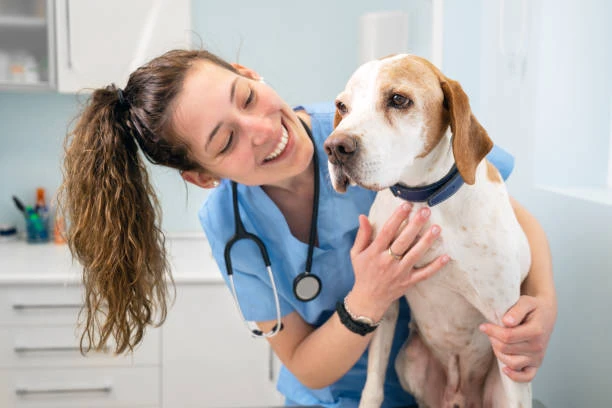

Maintaining your pet’s health goes far beyond regular walks and grooming. One of the most crucial aspects of ensuring a long and happy life for your furry friends is proper nutrition. At Park Hills Animal Hospital, experts emphasize that a well-balanced diet tailored to your pet’s unique needs can prevent diseases, boost immunity, and enhance overall well-being. This guide shares actionable tips and insights from Park Hills Animal Hospital to help pet owners maintain perfect Pet Nutrition for their animals.
Understanding the Importance of Balanced Pet Nutrition
Balanced nutrition is the foundation of a healthy life for pets. Just like humans, pets require the right combination of proteins, fats, carbohydrates, vitamins, and minerals to function optimally. Inadequate or poor-quality diets can lead to obesity, digestive problems, weakened immunity, and chronic illnesses. Park Hills Animal Hospital stresses that understanding the nutritional needs of your pet is the first step toward ensuring a vibrant and healthy life.
Pet nutrition is not one-size-fits-all. Puppies, kittens, adult animals, and seniors all have unique dietary requirements. Additionally, breed, activity level, and health conditions play a significant role in determining the ideal diet. Consulting with veterinarians at Park Hills Animal Hospital helps tailor a meal plan specific to your pet’s needs, ensuring balanced nutrition throughout their life stages.
Common Nutritional Deficiencies in Pets
Even pets on commercial diets may develop nutritional deficiencies if the food is not properly balanced. Common deficiencies include:
- Protein deficiency: Leads to muscle weakness, poor growth in young pets, and dull fur.
- Vitamin deficiencies: Lack of vitamins A, D, and E can affect vision, bone health, and immune function.
- Mineral imbalance: Inadequate calcium or phosphorus can result in weak bones and dental issues.
At Park Hills Animal Hospital, veterinarians routinely assess pets for these deficiencies and recommend supplements or dietary changes to address them. Regular checkups are essential to catch nutritional gaps early before they turn into serious health issues.
How to Choose the Right Pet Food
Selecting the right pet food can be overwhelming due to the countless options available in the market. However, there are key factors that pet owners should consider:
- Life Stage: Ensure the food is appropriate for your pet’s age—puppy, adult, or senior.
- Ingredient Quality: Look for real meat sources, whole grains, and natural ingredients while avoiding fillers and artificial additives.
- Special Health Needs: Pets with allergies, kidney issues, or obesity require specialized diets.
Park Hills Animal Hospital advises pet owners to read ingredient labels carefully and consult their veterinarians before making major changes to their pet’s diet. Tailoring meals to your pet’s specific needs ensures optimal nutrient absorption and overall wellness.
Portion Control and Feeding Schedule
Feeding your pet the right portion is just as important as choosing quality food. Overfeeding can lead to obesity, while underfeeding can cause malnutrition. Park Hills Animal Hospital recommends:
- Dividing daily meals into multiple small portions for easier digestion.
- Following the feeding guidelines on pet food packaging but adjusting based on activity level and metabolism.
- Monitoring your pet’s weight regularly to ensure a healthy growth trajectory.
Establishing a consistent feeding schedule reduces stress, supports proper digestion, and helps regulate energy levels throughout the day.
Tips for Maintaining Healthy Pet Nutrition
Maintaining proper Pet Nutrition requires attention to detail and proactive habits. Here are some expert-recommended tips from Park Hills Animal Hospital:
- Provide Fresh Water: Hydration is vital for digestion, kidney function, and overall health.
- Incorporate Variety: Mix proteins, vegetables, and grains to ensure balanced nutrient intake.
- Avoid Human Food: Many human foods are toxic to pets, including chocolate, onions, and grapes.
- Regular Vet Checkups: Routine health assessments help monitor nutritional status and adjust diets when needed.
- Use Supplements Wisely: Only add supplements if recommended by your veterinarian.
Following these steps will help your pets thrive physically and mentally, maintaining their energy, coat health, and overall longevity.
Understanding Special Dietary Needs
Certain pets require specialized diets due to medical conditions or sensitivities. For instance:
- Pets with diabetes may need low-carb diets.
- Pets with kidney disease require controlled protein and phosphorus intake.
- Allergy-prone pets benefit from hypoallergenic or novel protein diets.
Park Hills Animal Hospital offers tailored dietary plans for pets with special needs, ensuring that nutritional requirements are met without compromising their health. This personalized approach prevents complications and enhances quality of life for pets with chronic conditions.
Monitoring Your Pet’s Health Through Nutrition
Nutrition is a proactive tool for monitoring your pet’s overall health. Changes in appetite, weight, or energy levels often indicate underlying health issues. Park Hills Animal Hospital recommends keeping a health journal that tracks:
- Daily food intake
- Weight fluctuations
- Activity levels
- Digestive health
By reviewing this information during vet visits, pet owners and veterinarians can quickly identify problems and adjust diets accordingly. Early intervention can prevent many nutrition-related health issues, keeping pets happy and active.
The Role of Park Hills Animal Hospital in Pet Nutrition
Ensuring perfect Pet Nutrition is a team effort between pet owners and veterinary experts. Park Hills Animal Hospital provides:
- Professional dietary consultations tailored to your pet’s specific needs.
- Educational resources to guide feeding practices at home.
- Advanced diagnostic tools to detect nutritional deficiencies or health risks.
- Regular wellness programs and checkups to monitor growth and prevent disease.
By partnering with Park Hills Animal Hospital, pet owners gain confidence that their furry companions receive optimal nutrition, supporting a long, healthy, and joyful life.
Conclusion
Perfect pet nutrition is achievable when pet owners stay informed, select high-quality food, monitor portion sizes, and collaborate with experts. Park Hills Animal Hospital emphasizes the importance of individualized care, routine health monitoring, and proactive dietary adjustments. By following the tips outlined in this guide, pets can enjoy a balanced diet, maintain healthy weight, and thrive physically and emotionally.
Maintaining proper Pet Nutrition is more than a daily routine—it’s a lifelong commitment that ensures your pet’s happiness and longevity. Trust Park Hills Animal Hospital to provide guidance, support, and expertise on every step of your pet’s nutritional journey.





























Sign in to leave a comment.