Bone grafting is a common and often essential procedure in modern medicine, playing a vital role in repairing bone defects, aiding fracture healing, and ensuring the success of dental and orthopedic implants. Traditionally, bone grafts have relied on bone harvested from the patient themselves (autografts) or from donors (allografts/xenografts). While effective, these methods can come with drawbacks like donor site pain or potential transmission risks.
Enter Beta-Tricalcium Phosphate (Beta-TCP) bone grafts – a synthetic, highly biocompatible material that is revolutionizing bone regeneration with a strong emphasis on patient-centric benefits. This innovative biomaterial is reshaping how surgeons approach bone repair, leading to more predictable outcomes and a more comfortable experience for patients.
What is Beta-Tricalcium Phosphate (Beta-TCP) and Why Does it Matter?
Beta-TCP is a synthetic ceramic material that closely mimics the mineral structure of natural bone. It has gained significant traction in orthopedic and dental surgery due to its unique properties that support the body's innate healing capabilities.
The Science of Osteoconduction
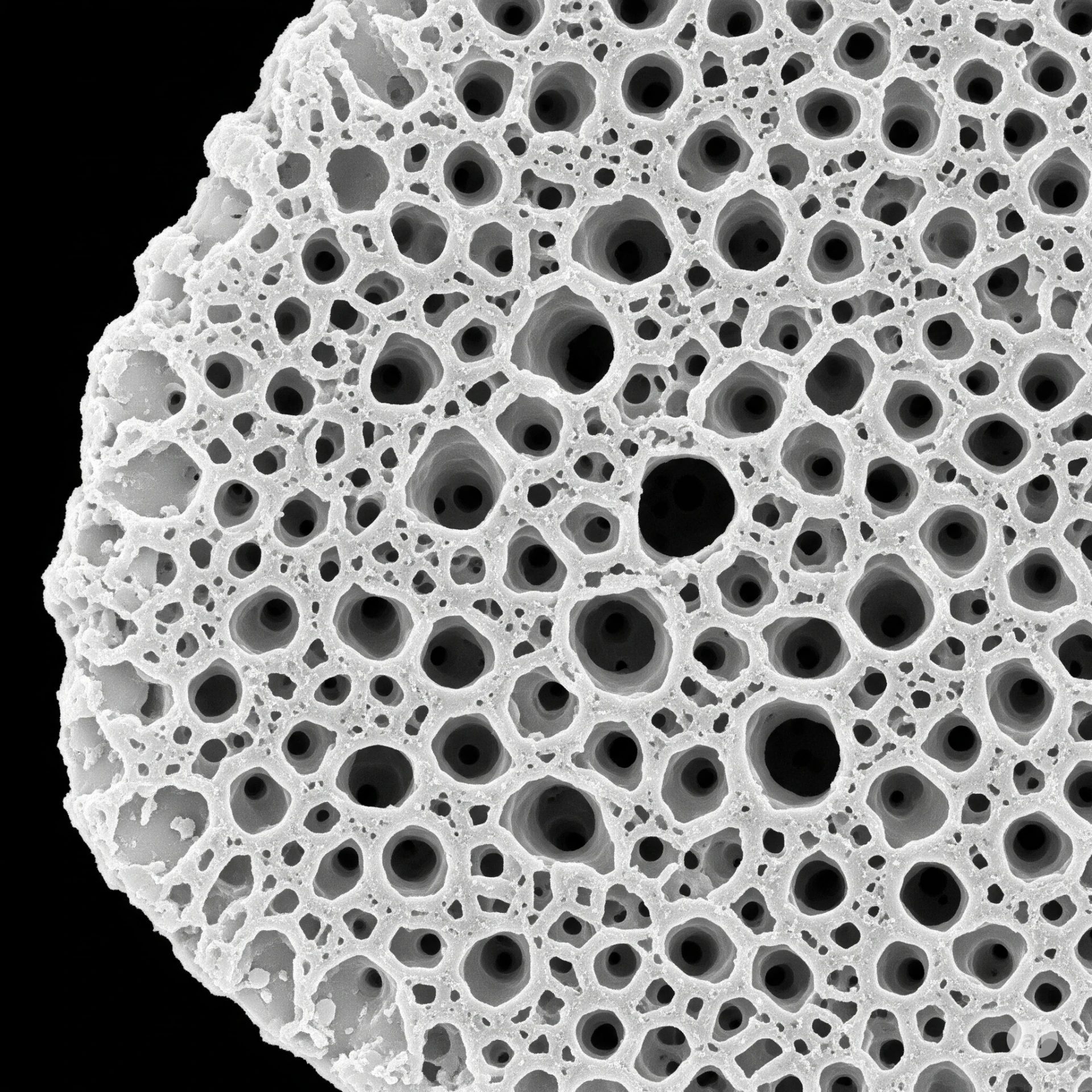
At its core, Beta-TCP functions as an osteoconductive scaffold. This means it provides a porous, interconnected framework that serves as a temporary guide for new bone growth. When implanted into a bone defect, its intricate structure allows blood vessels to infiltrate, and bone-forming cells (osteoblasts) to migrate, attach, and proliferate within the graft material. It's like a natural pathway encouraging your body to rebuild itself.
A Resorbable and Replaceable Solution
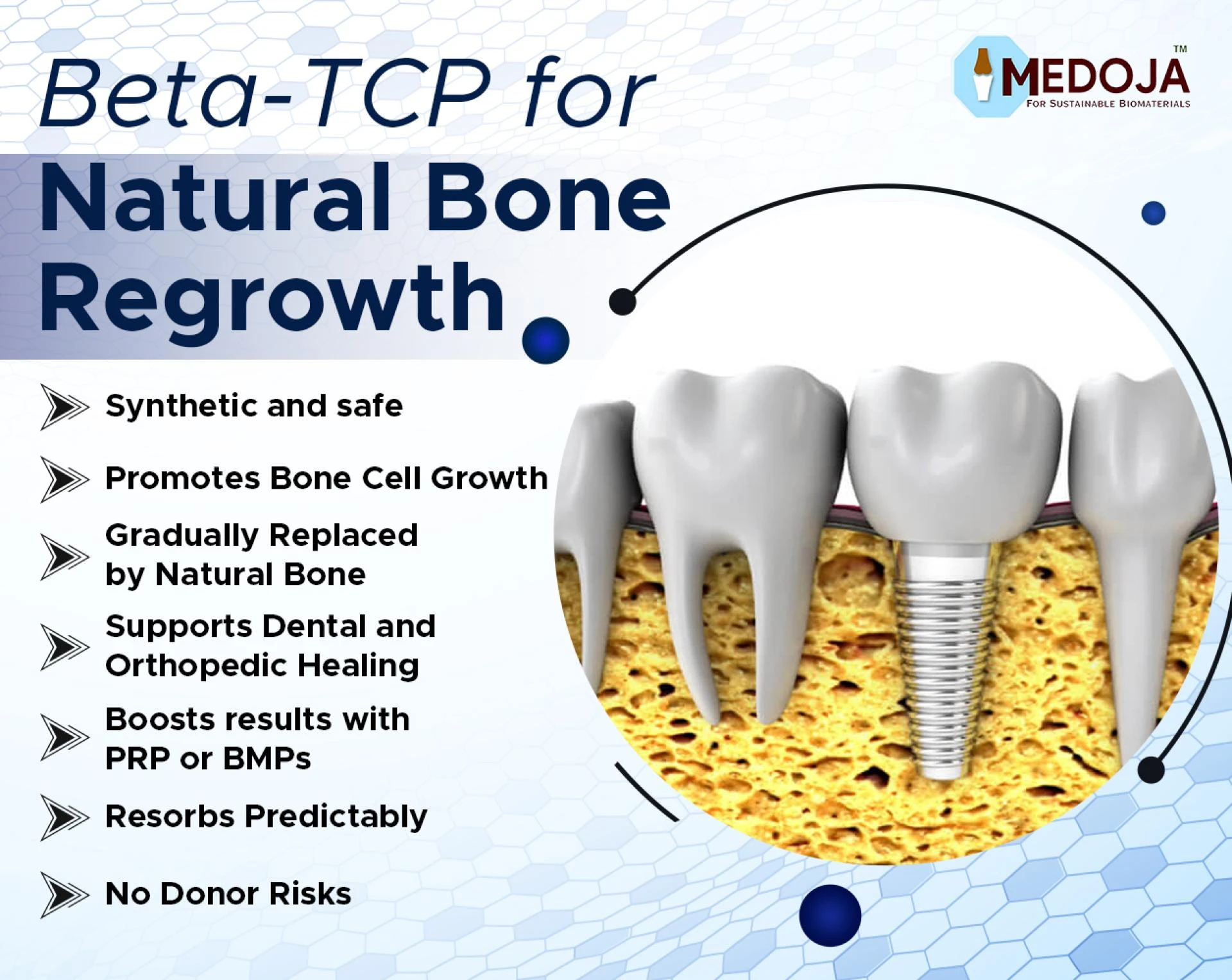
One of the most significant advantages of Beta-Tricalcium Phosphate bone grafts is their bioresorbable nature. Unlike some permanent fillers, Beta-TCP gradually dissolves and is safely replaced by the patient's own newly formed bone tissue over time. This controlled resorption rate ensures that as the graft material disappears, it's simultaneously replaced with natural, healthy bone, leading to robust and lasting repair without leaving foreign material behind.
Unpacking the Patient-Centric Benefits of Beta-TCP Grafts
The thoughtful design and biological properties of Beta-TCP translate directly into tangible advantages for patients undergoing bone grafting procedures.
Reduced Need for Autografts: Less Pain, Faster Recovery
Perhaps the most significant patient-centric benefit of Beta-TCP is its ability to minimize or, in many cases, eliminate the need for an autograft. Harvesting bone from a patient's hip or tibia creates a second surgical site, which often leads to:
- Increased post-operative pain: The donor site can be more painful than the graft site itself.
- Longer recovery times: Healing two surgical sites takes more time and resources.
- Potential complications: Risks like infection, nerve damage, or chronic pain at the donor site.
By using Beta-TCP, surgeons can avoid these issues, directly enhancing patient comfort and expediting recovery.
Predictable and Natural Bone Regeneration
Beta-TCP promotes a natural process of bone regeneration. Because it acts as a scaffold that is eventually replaced by the patient's own bone, the outcome is a truly integrated and living tissue. This leads to:
- High predictability of outcomes: Surgeons can rely on Beta-TCP to consistently support new bone formation.
- Stronger, more functional bone: The newly formed bone is native to the patient, ensuring better long-term mechanical properties and integration with surrounding tissue. This is a critical patient-centric benefit for the longevity of implants and overall function.
Minimized Risk of Disease Transmission
Being a synthetic material, Beta-Tricalcium Phosphate bone grafts carry zero risk of disease transmission or immunological reactions often associated with allografts (from human donors) or xenografts (from animal sources). This provides immense peace of mind for both patients and clinicians.
Versatility for Various Procedures
The adaptability of Beta-TCP makes it a go-to choice for a wide range of applications, addressing diverse patient needs:
- Dental Implants: Used to augment bone in the jaw, ensuring a stable foundation for dental implants.
- Orthopedic Procedures: Filling bone voids after trauma, tumor removal, or in spinal fusion.
- Fracture Repair: Aiding in the healing of complex bone fractures.
This versatility means more patients can benefit from its advantages across different medical specialties.
Enhanced Post-Surgical Comfort
By reducing the invasiveness of procedures (no donor site) and promoting a smoother, more natural healing trajectory, patients often report enhanced post-surgical comfort. Less pain, less swelling, and a faster return to daily activities are all direct dividends for the patient.
The Future of Bone Regeneration: Why Beta-TCP Stands Out
The advent of materials like Beta-TCP signifies a significant step forward in regenerative medicine. Its ability to predictably integrate with and ultimately be replaced by natural bone, coupled with its excellent safety profile, positions Beta-Tricalcium Phosphate bone grafts as a cornerstone of modern patient care.
As medical technology continues to advance, the focus will increasingly remain on optimizing patient-centric benefits. Beta-TCP is a prime example of how scientific innovation is directly translating into better, safer, and more comfortable healing experiences, ultimately improving the quality of life for individuals requiring bone regeneration.





























Sign in to leave a comment.