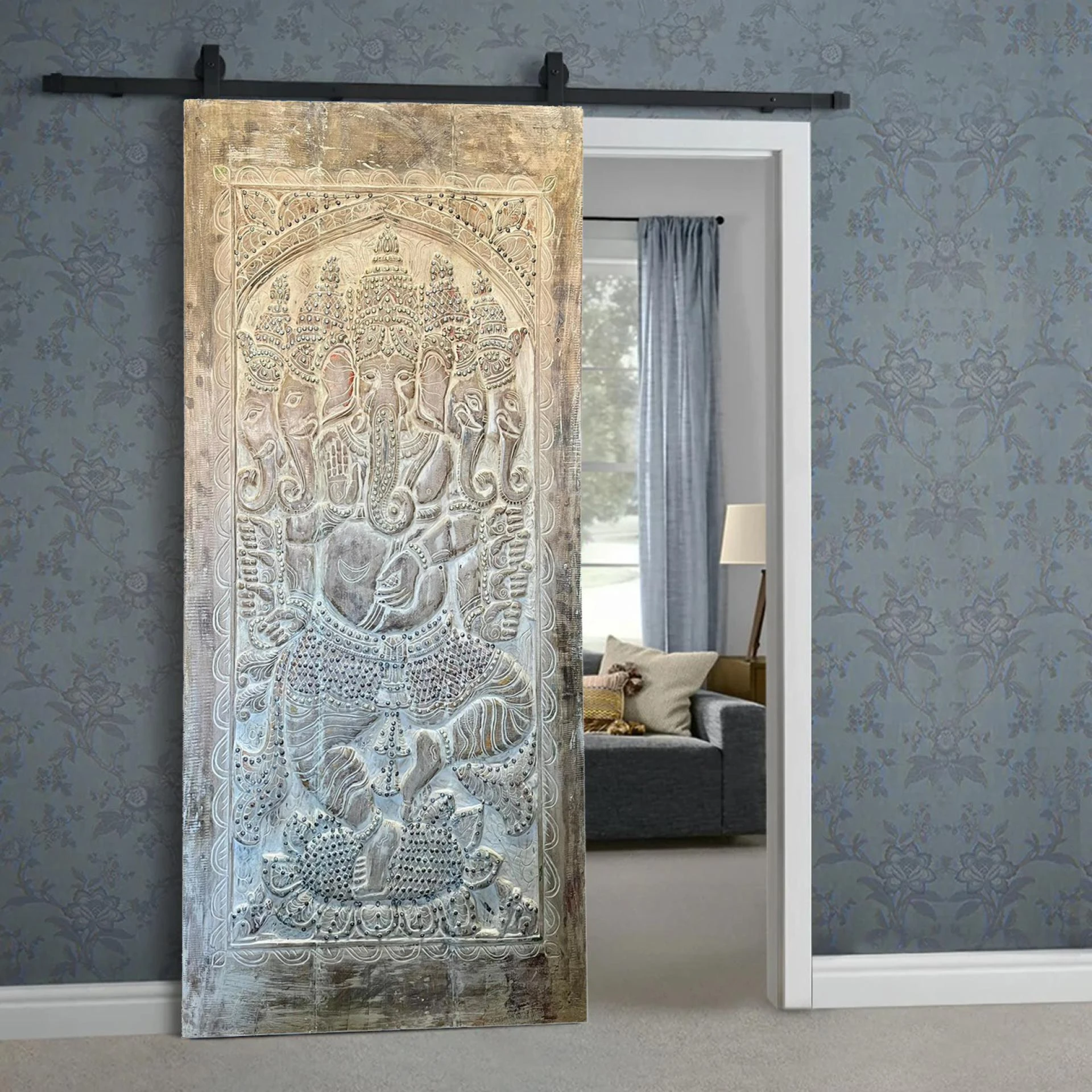
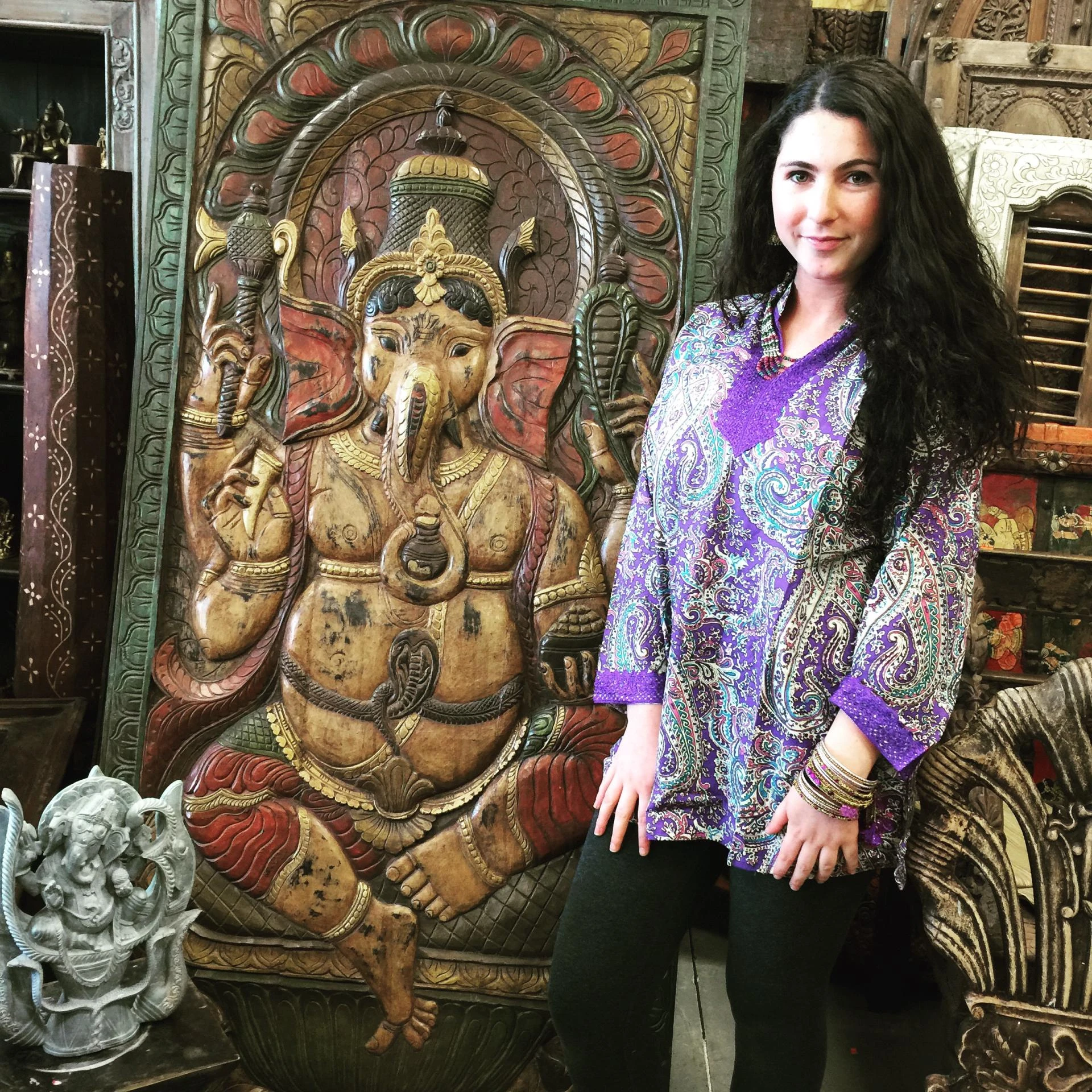
Pattern mixing isn't just a trend—it's a design philosophy. A celebration of visual rhythm, curated contrast, and personality layered into every corner of your home. And when done thoughtfully, it becomes a timeless way to create rooms that feel both eclectic and elegant.
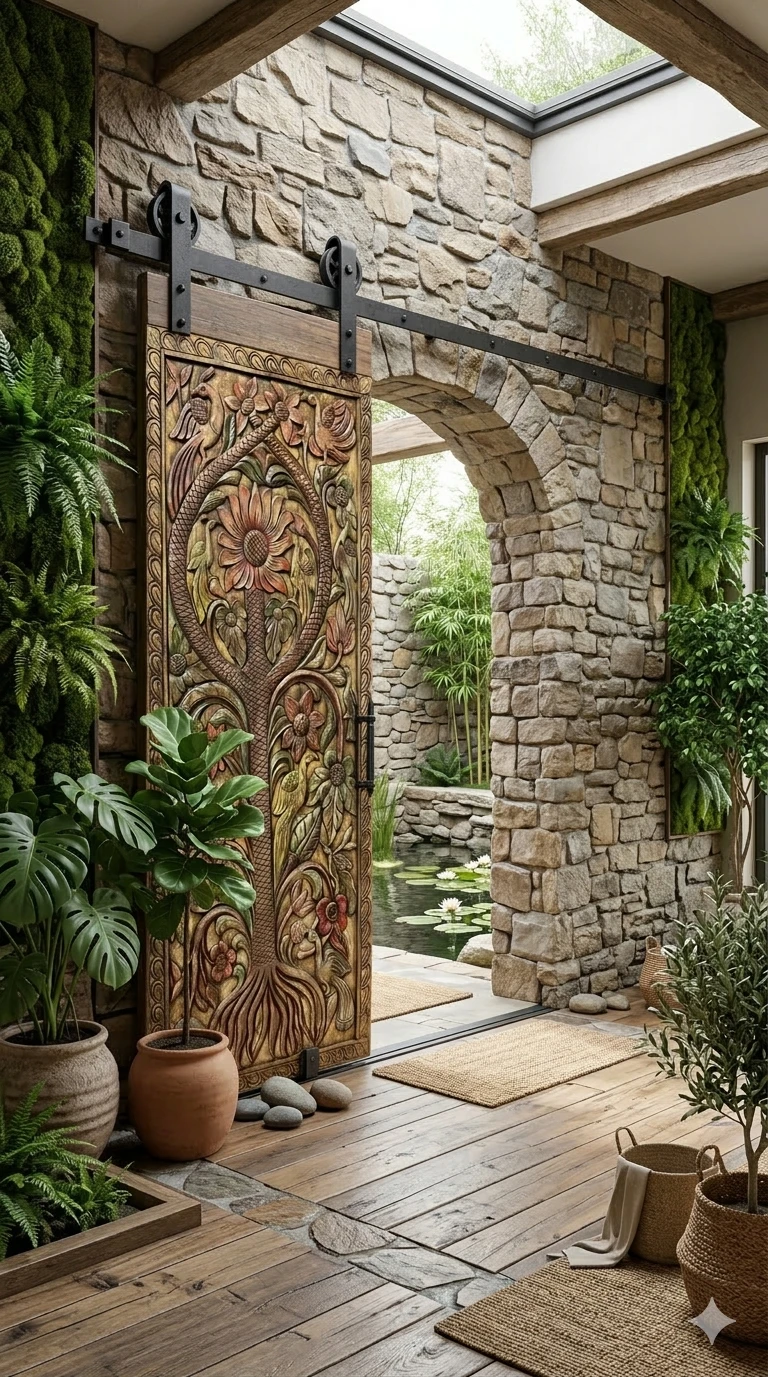
At the heart of this richly layered approach is one striking focal point: the Tree of Life carved door.
A Symbolic Anchor in a Tapestry of Pattern
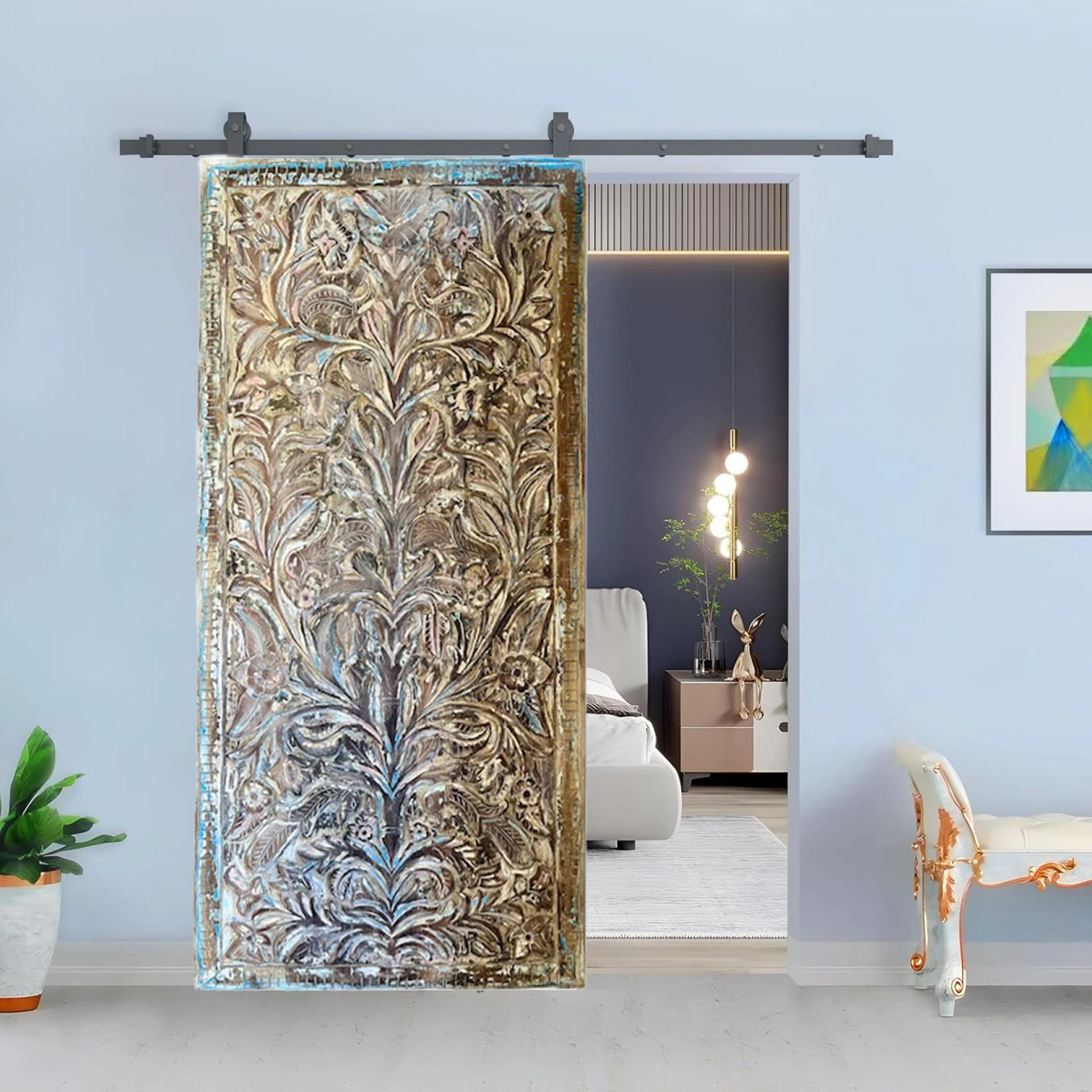
In a space where florals mingle with stripes, and geometrics sit side by side with tribal motifs, the Tree of Life carved door acts as the grounding element. Its deeply hand-carved motif—rich with spiritual symbolism and artisan texture—offers a point of stillness and intention amidst the visual dance.
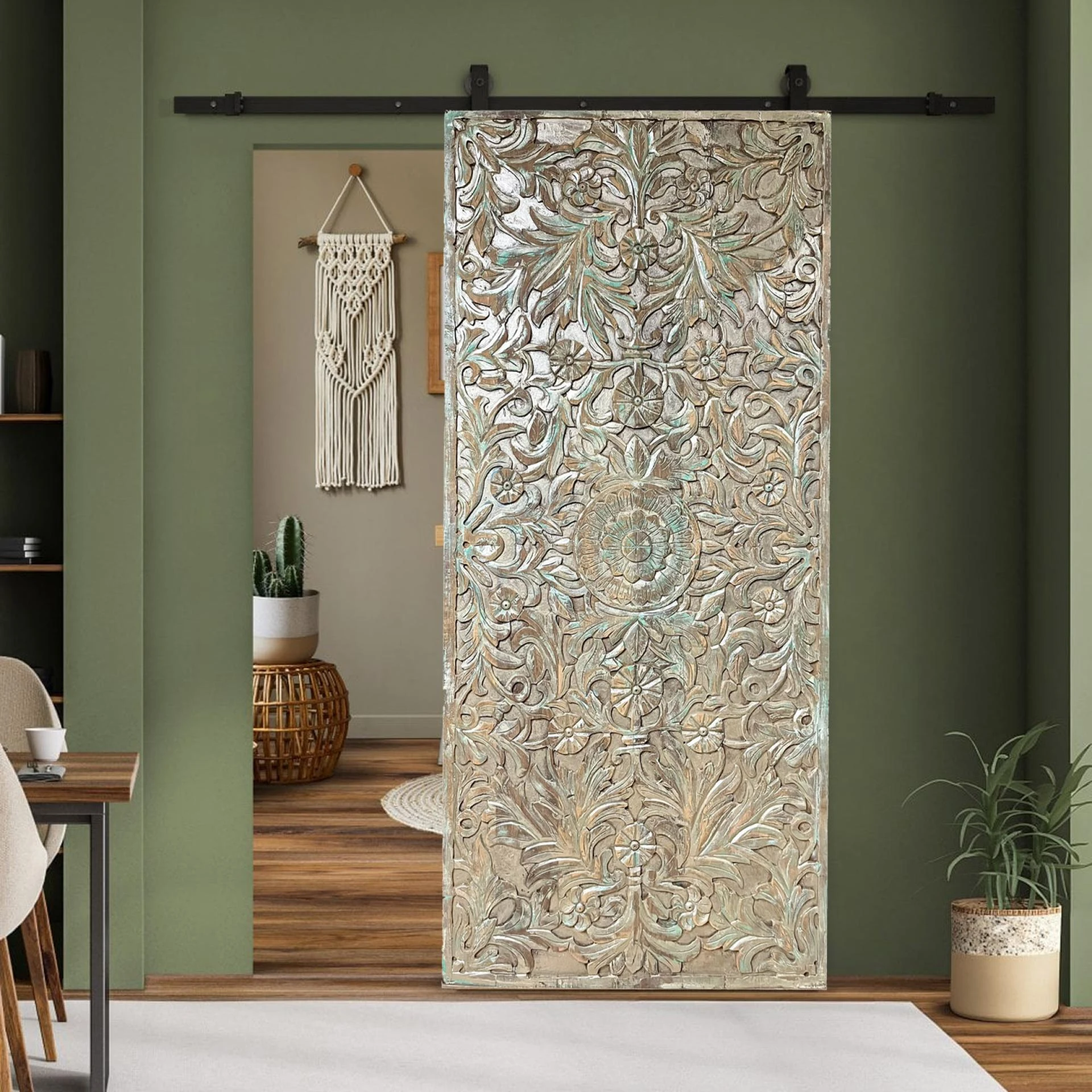
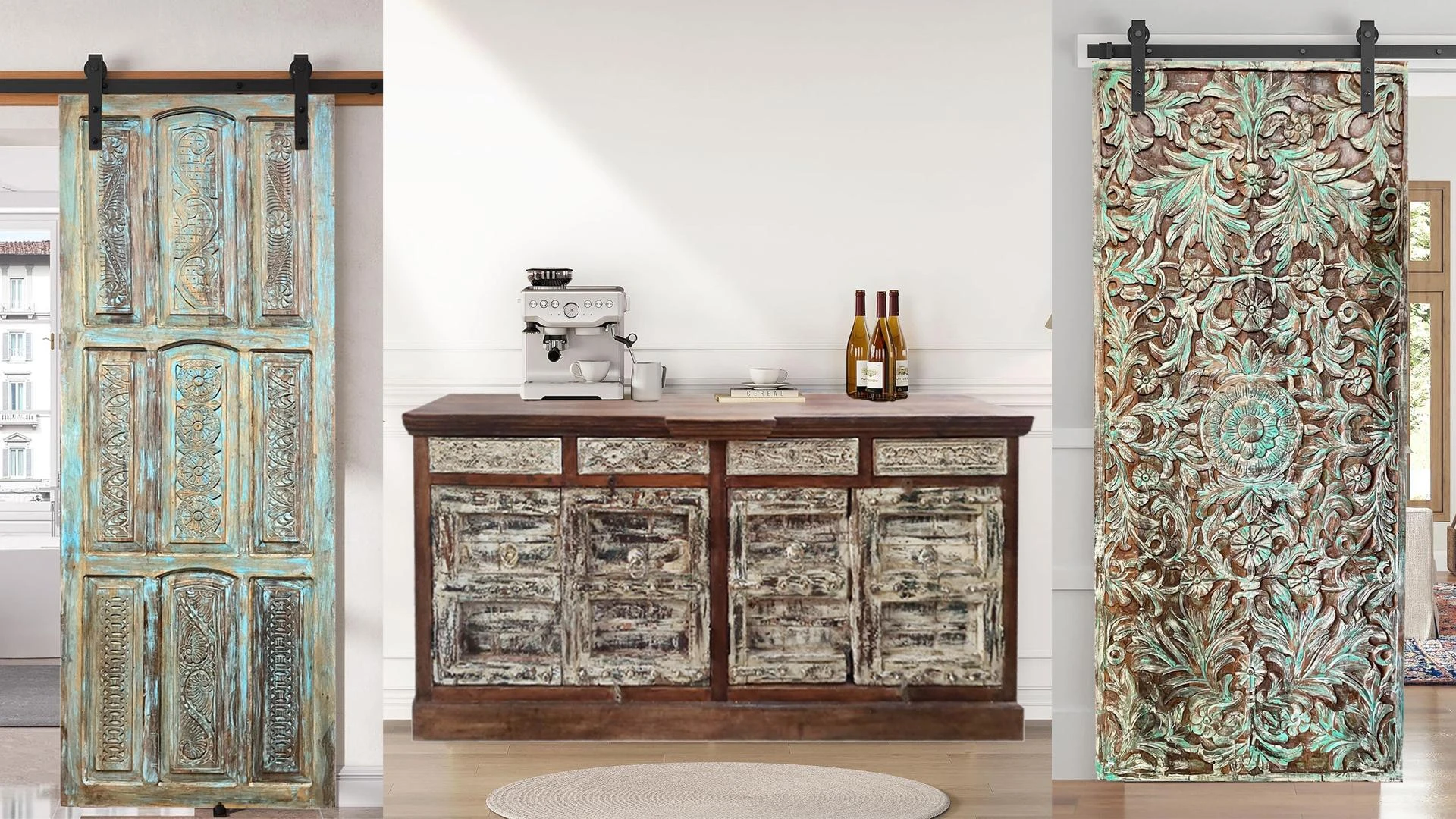
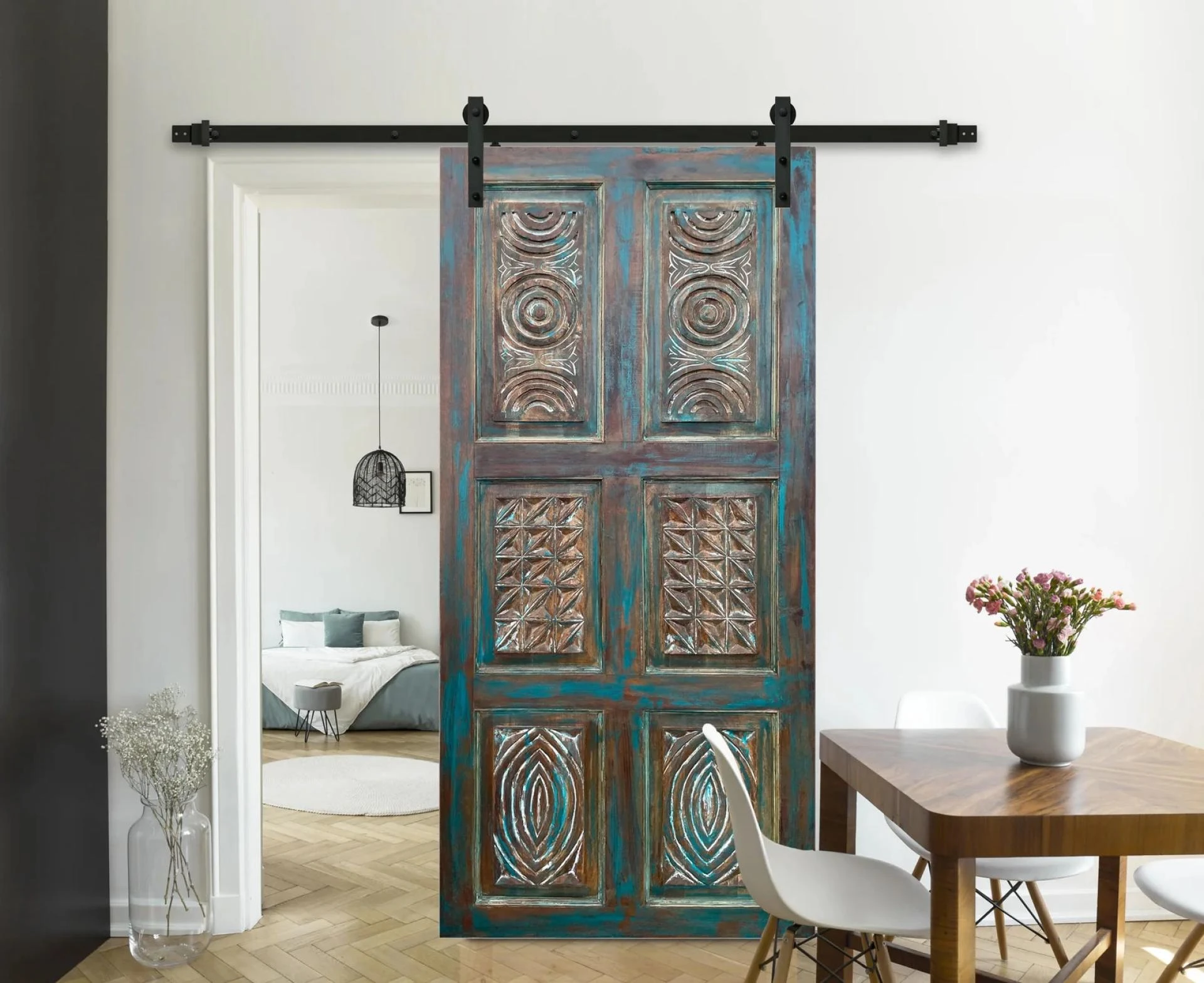
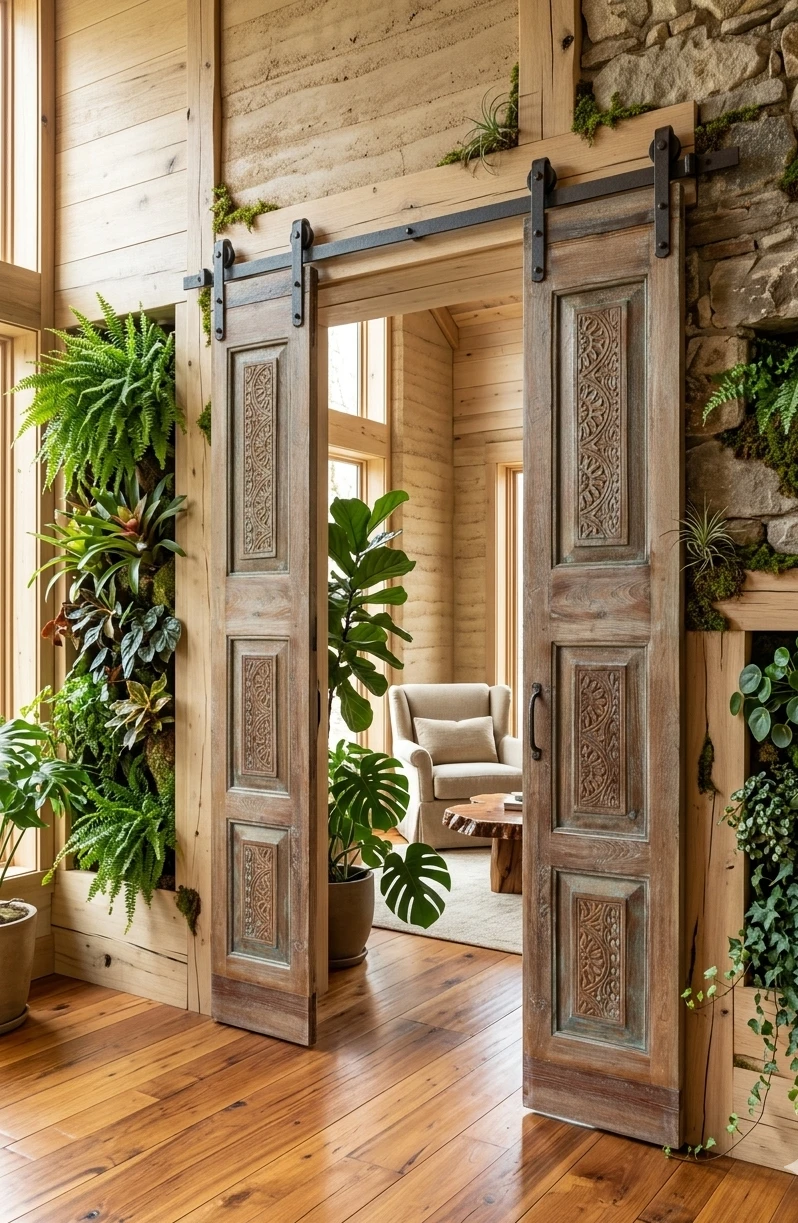
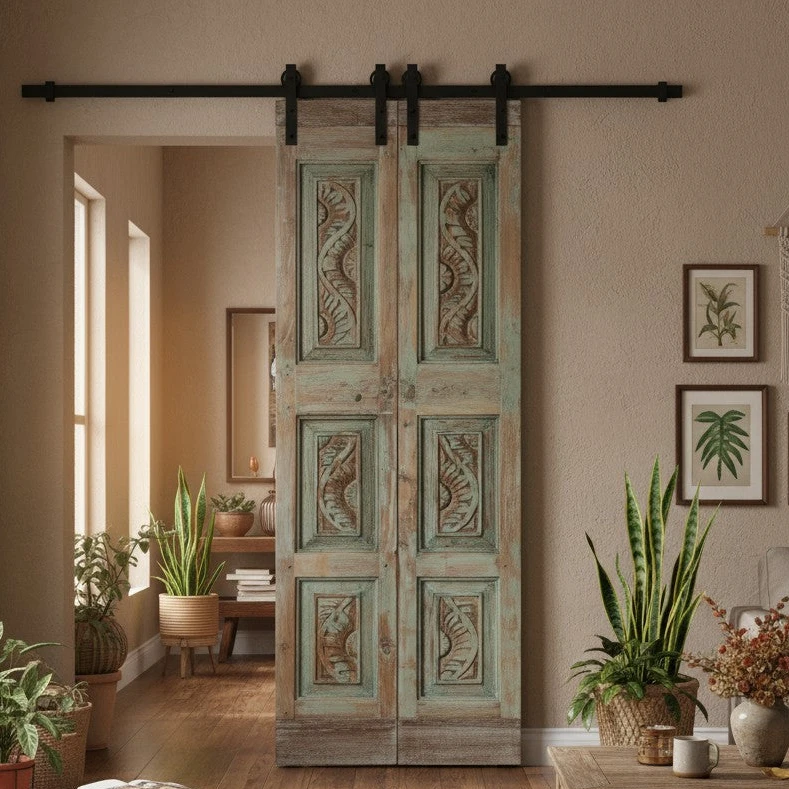
Whether mounted as a statement headboard, a sliding barn door, or a decorative room divider, it instantly brings gravity and grace to a room. It tells a story—of roots, growth, and interconnection—that pairs beautifully with the narrative of pattern layering.
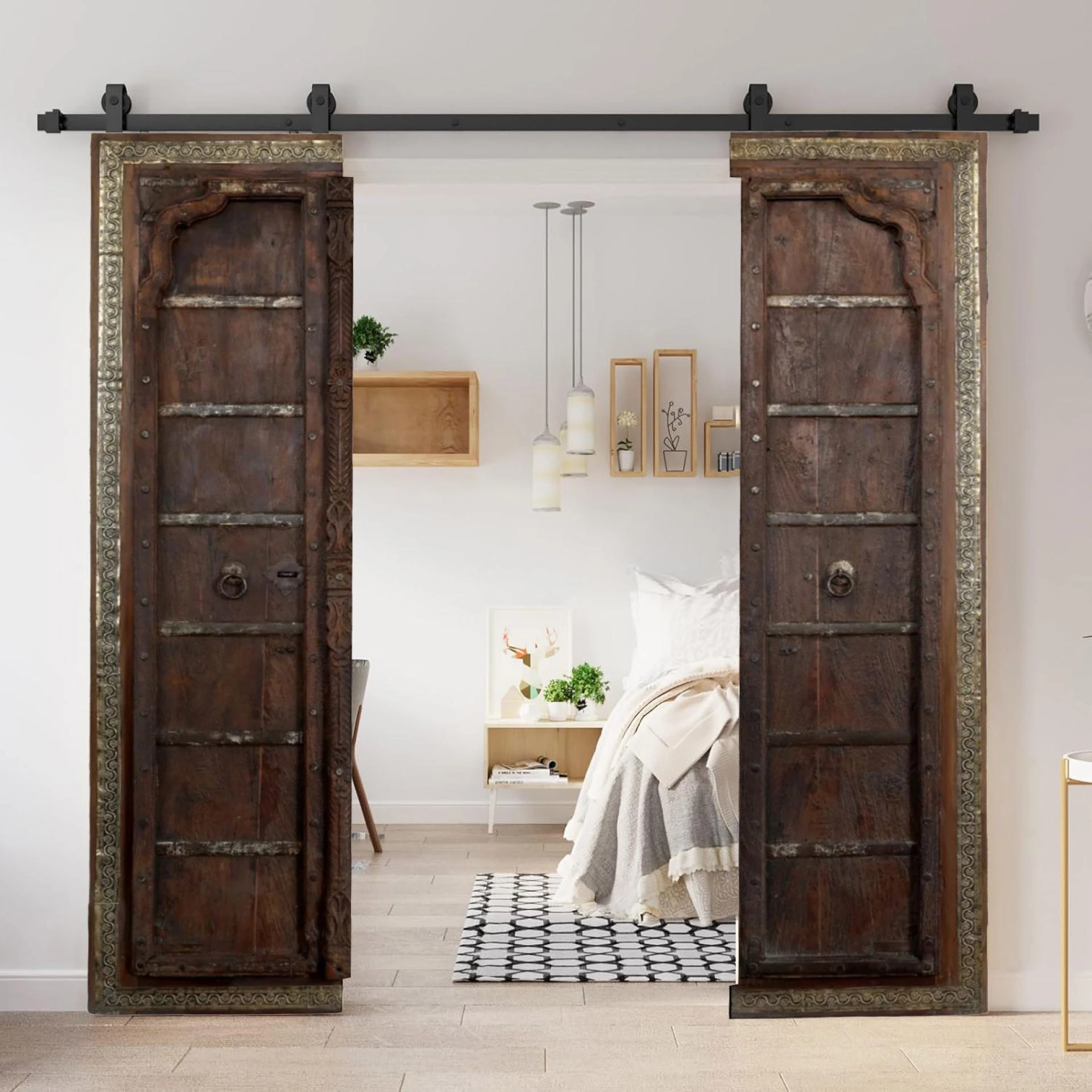
The Art of Balancing Boldness
Pattern mixing might seem chaotic in theory, but in practice, it's all about balance. The key? A consistent color palette. Choose 2–3 dominant hues and let them guide your fabric, rug, and accessory choices. This allows the eye to move easily across the room, even as prints and motifs shift in scale and style.
Pair wide indigo stripes with floral embroidered pillows, then layer in a kilim rug beneath a carved vintage bench. The tension between clean lines and organic forms creates warmth and visual interest.
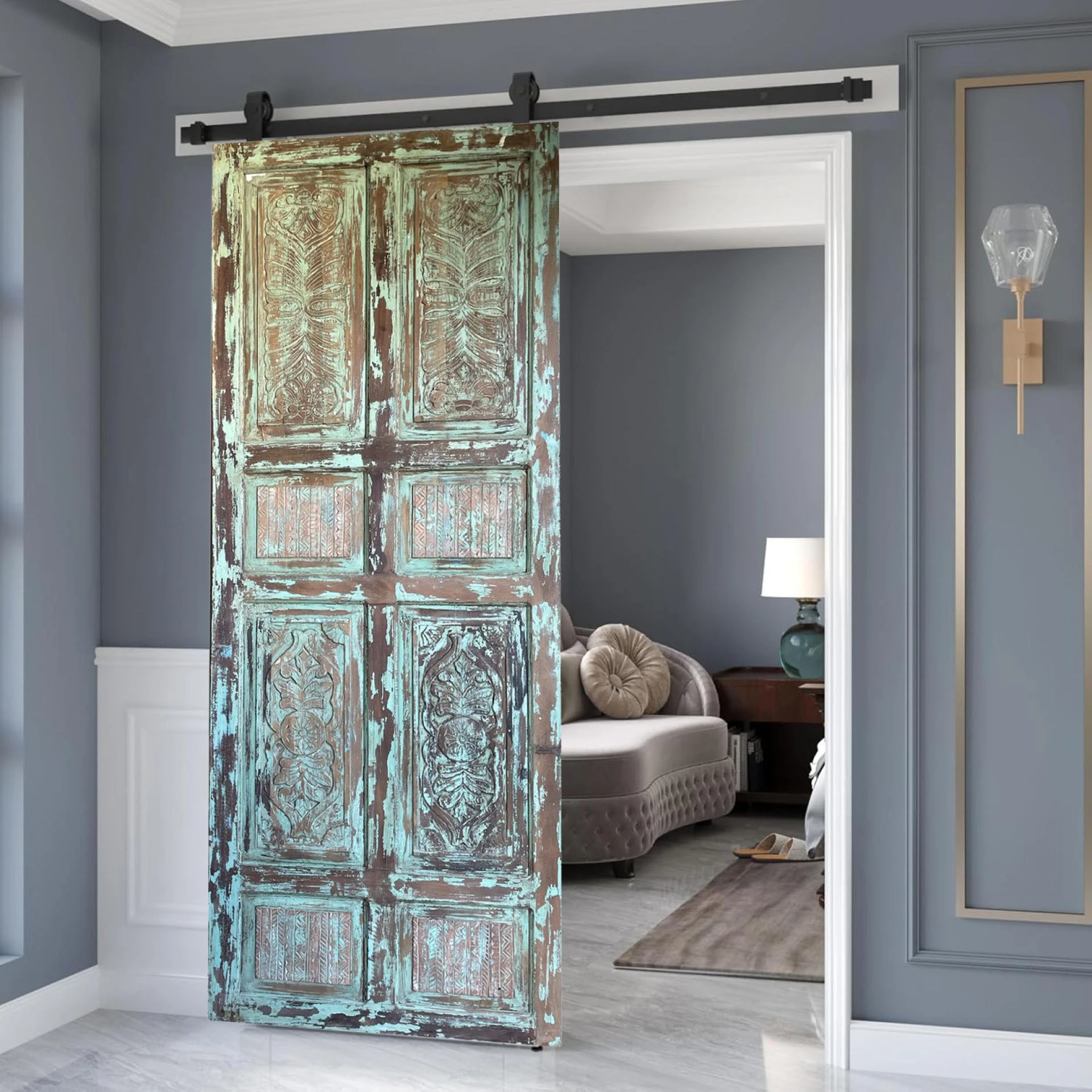
Let your Tree of Life carved door stand tall among it all—its intricate detailing echoing the layered complexity of the space while remaining utterly timeless.
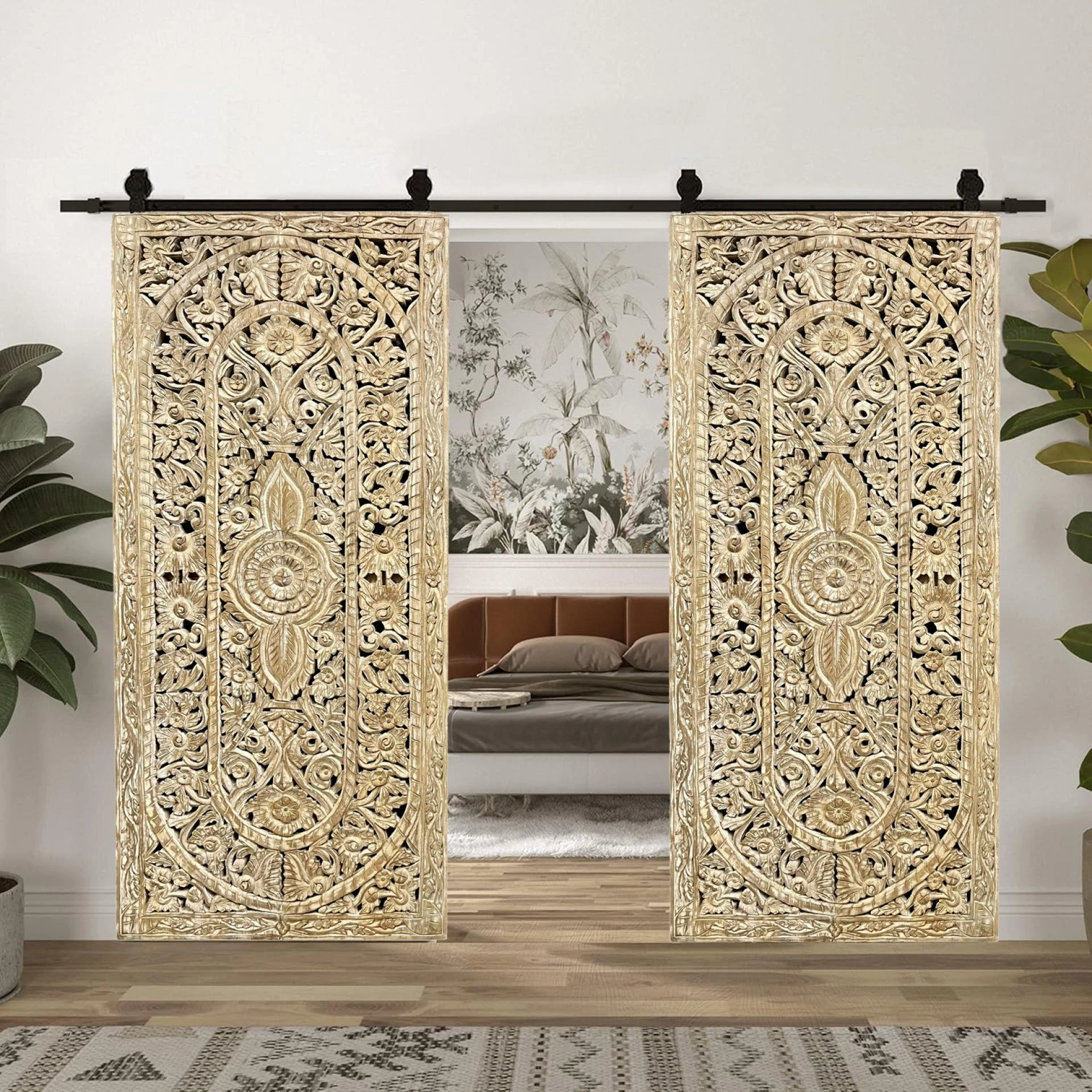
Tip: Mix Scale, Not Just Style
When combining patterns, vary the scale. Use larger motifs—like a bold damask wallpaper or oversized botanical print—as a backdrop. Then build around them with smaller-scale designs—perhaps in cushions, throws, or curtains.
























Sign in to leave a comment.