

Let's be honest. If you are a medical cannabis patient in Texas, you have probably looked at your dispensary receipt and thought, why does this cost so much? You already qualify under a strict state program, you jumped through every hoop the state required, and you are using cannabis to manage a real medical condition. And yet, the price still feels way higher than it should.
You are not imagining it. The cost of medical cannabis in Texas is genuinely high, and taxes are a big part of the reason why. This article breaks down exactly what is going on so you understand where your money is actually going.
Texas Charges Full Sales Tax on Medical Cannabis
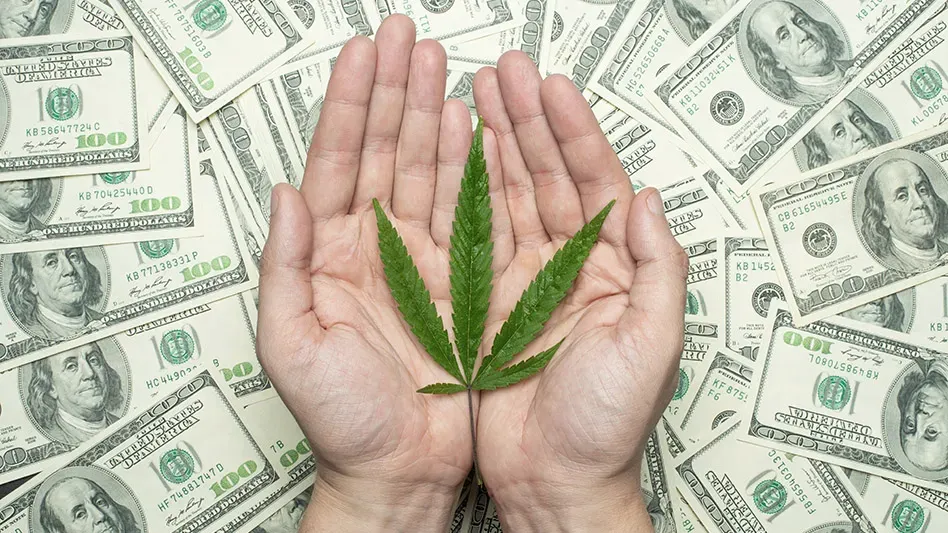
Most people assume that medicine is not taxed. And for regular prescriptions, that is mostly true in Texas. But medical cannabis is treated very differently.
Texas does not have a special cannabis excise tax like some other states do. Instead, every single purchase you make at a licensed TCUP dispensary is charged the standard state and local sales tax. That combined rate can go as high as 8.25%, which includes 6.25% from the state and up to 2% added by your city or county depending on where you live.
To put that in simple numbers, on a $100 purchase you are paying $8.25 just in taxes. That might not sound like a lot on one visit, but for patients who buy every two to four weeks, that adds up to hundreds of dollars every year in taxes alone, just to access their medicine legally.
Your Medicine Gets Taxed But Regular Prescriptions Do Not
This is the part that frustrates patients the most, and there is a very real reason behind it.
When you pick up a regular prescription at a pharmacy in Texas, you pay zero sales tax on it. Blood pressure medication, antidepressants, insulin, none of them carry a sales tax at the register. But when you pick up a cannabis oil, capsule, or patch from a TCUP dispensary, you pay the full sales tax rate without any exemption.
The reason comes down to a federal technicality that most patients are never told about. Since cannabis is still a federally controlled substance, doctors cannot write a traditional legal prescription for it. Instead, they enter a recommendation into the state registry system. That one small legal distinction is enough to disqualify cannabis from being treated as a prescription drug under Texas tax law, which means no tax exemption for patients.
So two people walking out of two different places, one from a regular pharmacy and one from a cannabis dispensary, are being treated completely differently at the tax level, even though both are managing serious medical conditions and both are doing everything legally.
The Price Is Already Higher Before Tax Is Even Added
Here is something that most patients never hear about, but it matters a lot when you are trying to understand your total costs.
The price on the label at a TCUP dispensary is already inflated before any tax is added to it. The reason is a federal rule called Section 280E. This rule says that cannabis businesses cannot deduct normal operating expenses from their federal taxes. A regular retail business can write off rent, employee salaries, utility bills, and dozens of other costs. A cannabis dispensary cannot do any of that. They can only deduct the direct cost of the product itself.
What this means in practice is that dispensaries end up paying taxes on nearly their entire revenue rather than just their profit. Those extra costs do not just disappear. They get quietly built into the price of every product sitting on the shelf. So by the time you are paying 8.25% in sales tax at checkout, you are already paying a product price that is higher than it would naturally be if cannabis businesses were treated like every other business.
As of 2026, at least 28 states have passed laws to protect their cannabis businesses from the worst effects of 280E at the state level. Texas has not taken that step, which means the full burden stays on the dispensaries, and patients continue to absorb it through higher prices.
No Insurance, No Reimbursement, No Financial Help
What makes all of this even harder to manage is that there is no financial safety net available for TCUP patients in Texas. Insurance plans in the state do not cover cannabis products at all. There are no reimbursements, no easy FSA or HSA pathways, and no state-run discount or assistance programs for patients who are struggling with the cost.
Every dollar you spend on medical cannabis comes entirely out of your own pocket. When you layer the inflated base price caused by 280E on top of that, and then add 8.25% sales tax at checkout, the total cost of staying on a consistent cannabis treatment becomes genuinely difficult for many patients to afford month after month. People managing cancer, chronic pain, PTSD, or epilepsy should not have to choose between their medicine and their other expenses.
How Texas Compares to Other States
Looking at how other states handle this makes the situation in Texas even more obvious.
In Maryland and Minnesota, medical cannabis patients pay zero sales tax. None at all. In Illinois, recreational buyers pay over 30% in taxes, but medical patients pay only 1%. In New York, the tax rate on medical marijuana is so low that many dispensaries simply absorb it and waive it entirely for patients. These states made a deliberate decision to protect their medical patients from an unfair tax burden.
Texas has made no such decision. A TCUP patient buying medicine is taxed at the exact same rate as someone buying a piece of furniture or a household appliance. That is not how most states treat people who are legally accessing medicine for serious health conditions.
Could Things Change After 2026?
Patient advocacy groups in Texas are already working toward reform ahead of the next legislative session in 2027. The two biggest goals on the table are a sales tax exemption specifically for TCUP purchases and state-level decoupling from 280E, which would allow dispensaries to reduce their prices by lowering their own tax burden.
On the federal side, cannabis rescheduling from Schedule I to Schedule III has been gaining real momentum. If federal rescheduling is finalized, Section 280E would likely stop applying to cannabis businesses, which would bring down operating costs for dispensaries across the country, including in Texas, and patients would eventually see that reflected in lower product prices.
For patients currently in the program, connecting with a knowledgeable provider makes a real difference. Texas medical marijuana doctors who are registered with TCUP stay current on program changes, costs, and any new relief options that become available, which means patients are not navigating this complicated and expensive system alone.
Neither the state nor federal changes are guaranteed to happen quickly, but both are more realistic in 2026 than they have ever been before, and patients who stay informed and engaged are the ones who benefit first when things do shift.
Conclusion
If you have been feeling like you are paying too much for medical cannabis in Texas, the numbers completely back you up. There is no sales tax exemption for TCUP patients, dispensaries pass heavy federal tax costs directly into their product prices, and insurance provides zero relief. It is a system that stacks financial burden on top of financial burden, and patients are left carrying all of it.
Understanding exactly why the costs are this high is the first step toward pushing for change. Stay informed, connect with patient advocacy organizations in Texas, and pay close attention to what comes out of the 2027 legislative session. Reform is coming, and patients who understand the system are the ones best positioned to benefit from it.





























Sign in to leave a comment.