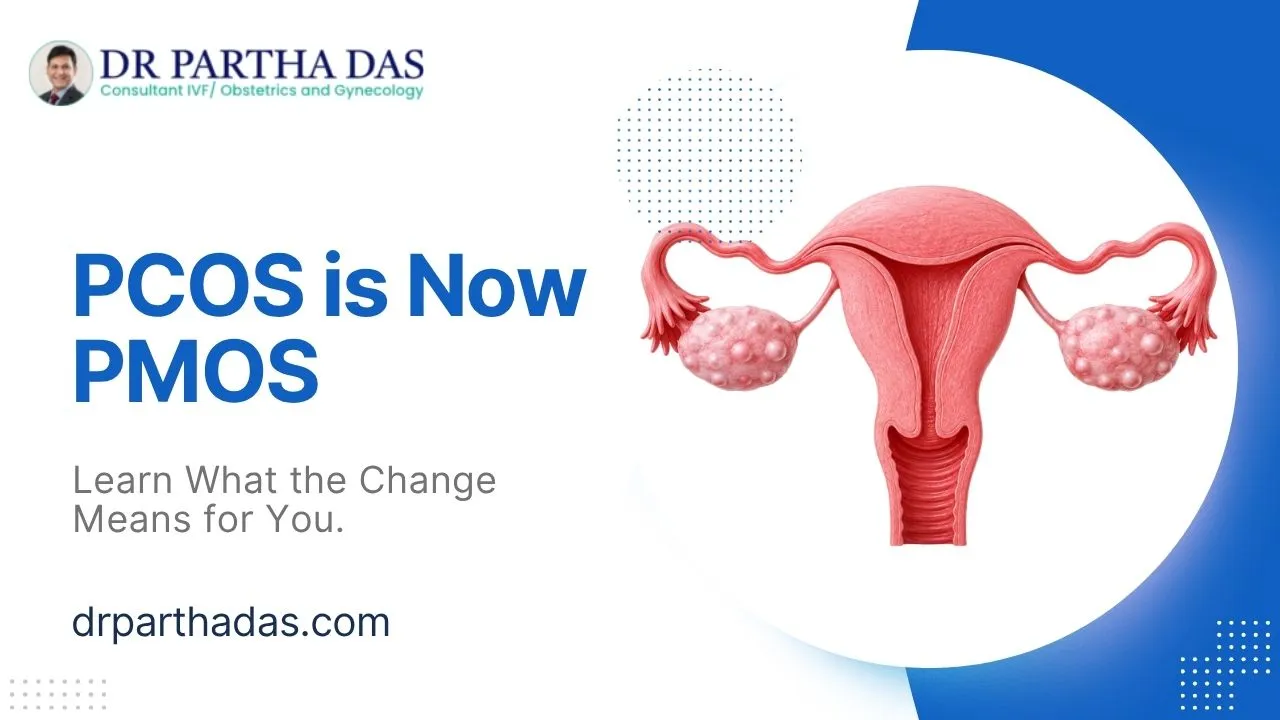


The discussion around PCOS is Now PMOS reflects an effort to describe polycystic ovary syndrome through a broader health lens. Traditionally, the name has placed considerable emphasis on the ovaries and the presence of multiple follicles. Yet the condition can involve far more than ovarian changes.
Why Is the Terminology Changing?
Polycystic ovary syndrome can involve a complex combination of hormonal, metabolic, reproductive, and clinical features. Irregular periods, elevated androgen activity, acne, unwanted hair growth, fertility difficulties, insulin resistance, and weight-related concerns may occur, although not every woman experiences the same combination.
The proposed PMOS terminology highlights the metabolic dimension alongside ovarian and hormonal features. This can encourage a more comprehensive understanding of the condition rather than framing it primarily as an ovarian problem.
Understanding PCOS is Now PMOS can therefore help shift attention toward the wider health implications associated with the syndrome.
What Does PMOS Highlight?
The broader terminology emphasizes how reproductive symptoms may coexist with metabolic concerns. Insulin resistance, for example, can occur in some women with PCOS and may be associated with an increased risk of metabolic health problems.
This does not mean that every woman with PCOS has metabolic complications. Symptoms, risk factors, and long-term health considerations vary substantially.
A broader name may simply encourage healthcare professionals and patients to consider more than menstrual irregularities or ovarian appearance when evaluating the condition.
A More Complete Approach to Care
A comprehensive assessment can include menstrual history, physical symptoms, hormonal evaluation, metabolic markers, and individual reproductive goals. Depending on the person's circumstances, management may involve nutrition, physical activity, medications, hormonal treatment, or fertility-focused care.
The appropriate approach is never identical for everyone.
The terminology surrounding PCOS may continue to evolve as research develops. What matters most is maintaining a patient-centered approach that recognizes reproductive health alongside metabolic and hormonal wellbeing.
For women experiencing persistent symptoms, professional medical evaluation remains important. A clearer understanding of the condition can support earlier recognition, appropriate monitoring, and more individualized long-term care.



























Sign in to leave a comment.