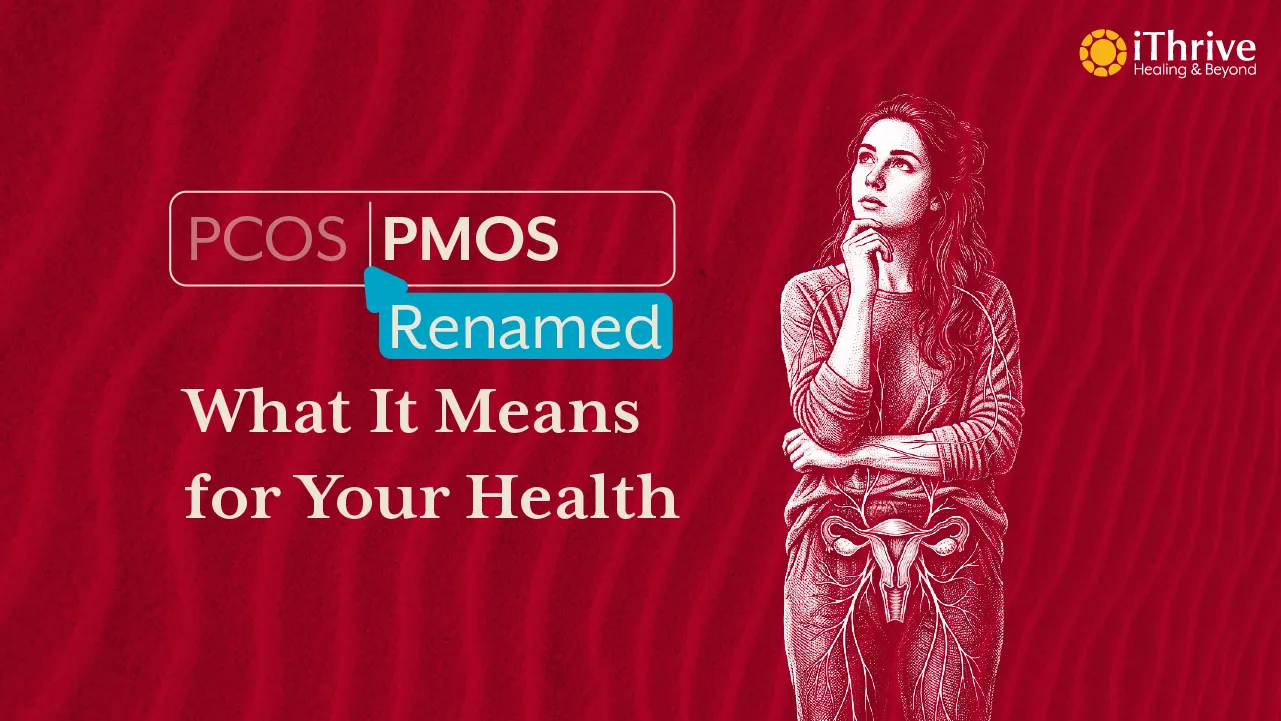

For years, women around the world have heard the term PCOS. Many were told it was only related to irregular periods or ovarian cysts. But doctors and researchers now believe the condition is much more than that. That is why the term PMOS is getting attention.
PMOS stands for Polymetabolic Ovary Syndrome. The new name highlights that the condition is not only about ovaries. It also affects hormones, metabolism, insulin resistance, weight, fertility, mood, and overall health.
Many women spend years trying to understand why they experience acne, hair fall, weight gain, irregular periods, tiredness, or difficulty getting pregnant. The truth is that these symptoms are often deeply connected.
This guide explains PCOS to PMOS in simple words, helps you understand the real causes behind the condition, and shares natural ways to manage it better.
What is PMOS?
PMOS is the newer term being discussed for PCOS because experts now understand that the condition affects the entire body and not just the ovaries.
Earlier, the name PCOS made many women think ovarian cysts were the main issue. But many women with PCOS do not even have cysts. At the same time, they may still suffer from:
- Hormonal imbalance
- Insulin resistance
- Weight gain
- Mood swings
- Acne
- Irregular periods
- Fertility problems
- Sleep issues
- Low energy
This is why PMOS gives a broader and more accurate picture.
Why Are Doctors Talking About PMOS Instead of PCOS?
The biggest reason behind this shift is awareness.
Doctors want women to understand that the condition is connected with metabolism and long-term health, not only periods.
Women with PCOS are more likely to face:
- Insulin resistance
- Type 2 diabetes
- Obesity
- Anxiety and stress
- Heart health risks
- Fertility challenges
The term PMOS helps explain the deeper health connection.
Common Symptoms of PMOS
Every woman experiences symptoms differently. Some may notice only a few signs while others may struggle with many symptoms together.
Irregular Periods
One of the most common symptoms is delayed or missed periods.
Weight Gain
Many women gain weight easily, especially around the stomach area.
Acne and Oily Skin
Hormonal imbalance can increase acne breakouts.
Hair Fall or Excess Hair Growth
Some women experience thinning hair while others notice facial hair growth.
Difficulty Getting Pregnant
Ovulation problems can make pregnancy difficult.
Mood Swings and Low Confidence
Hormones can affect emotional health and self-esteem.
PMOS and Fertility: Can You Still Get Pregnant?
Yes, many women with PMOS successfully become pregnant naturally with proper lifestyle support and medical guidance.
One of the biggest concerns women face is infertility linked to irregular ovulation. The good news is that improving lifestyle habits can support better hormonal balance.
You can also read this detailed guide on natural pregnancy support:
https://www.ithrivein.com/blog/pcos-and-infertility-how-to-get-pregnant-naturally
Simple lifestyle changes that may help include:
- Eating balanced meals
- Managing stress
- Regular exercise
- Better sleep routine
- Reducing processed foods
- Tracking ovulation
Small changes done consistently can make a big difference.
Can PMOS Affect Relationships and Desire?
Many women do not openly talk about how hormonal imbalance affects emotional connection, confidence, and physical intimacy.
PMOS can sometimes lead to:
- Low confidence
- Fatigue
- Stress
- Mood changes
- Low desire
Understanding these emotional effects is important because women often feel alone in this journey.
You can explore more about this topic here:
https://www.ithrivein.com/blog/pcos-affecting-your-desire
PCOD vs PCOS: Understanding the Difference
Many people confuse PCOD and PCOS because the names sound similar. However, there are important differences.
PCOD is usually linked with hormonal imbalance and immature eggs in the ovaries. PCOS is considered more serious because it also affects metabolism and insulin resistance.
To understand this in detail, read:
https://www.ithrivein.com/blog/pcod-vs-pcos-difference-expert-explanation
Knowing the difference helps women seek the right treatment and lifestyle support.
The Emotional Side of PMOS That Nobody Talks About
PMOS is not just physical.
Many women silently deal with:
- Body image struggles
- Stress eating
- Anxiety
- Feeling misunderstood
- Social pressure
- Fear about future pregnancy
This emotional burden can feel heavy.
That is why open conversations around women’s hormonal health are important.
A powerful read on this topic is:
https://www.ithrivein.com/blog/tackling-the-elephant-in-the-room-pcos
Women should never feel ashamed about asking for support.
Best Lifestyle Changes for Managing PMOS Naturally
There is no one-size-fits-all solution. But healthy habits can improve symptoms and overall well-being.
Focus on Real Food
Choose home-cooked meals, vegetables, protein, healthy fats, and fiber-rich foods.
Move Your Body Daily
You do not need intense workouts every day. Even walking, yoga, or light exercise helps.
Sleep Matters
Poor sleep can worsen hormones and cravings.
Reduce Stress
Stress management plays a major role in hormonal balance.
Regular Health Checkups
Early diagnosis and proper guidance can prevent future complications.
Why Early Awareness is Important
Many women ignore symptoms for years because they think irregular periods or acne are normal.
But early awareness can help prevent:
- Severe hormonal imbalance
- Fertility complications
- Weight-related health issues
- Emotional stress
- Diabetes risks
The earlier women understand their body, the better they can manage their health.
FAQ About PMOS and PCOS
Is PMOS different from PCOS?
PMOS is the newer term being discussed to better explain the metabolic and hormonal impact of PCOS.
Can women with PMOS get pregnant naturally?
Yes, many women can conceive naturally with proper lifestyle changes and medical support.
What are the first signs of PMOS?
Irregular periods, acne, weight gain, hair fall, and tiredness are common early signs.
Is PMOS curable?
There is no permanent cure, but symptoms can be managed effectively through healthy lifestyle habits and treatment.
Does PMOS only affect overweight women?
No, even women with normal body weight can experience PMOS.
Final Thoughts
The shift from PCOS to PMOS is helping women understand that this condition is much more than just ovarian cysts.
It is connected with hormones, metabolism, fertility, emotional well-being, and long-term health.
The good news is that awareness is growing. More women are speaking openly, seeking support, and making healthier choices.
If you are struggling with symptoms, remember that small lifestyle improvements, early diagnosis, and the right guidance can help you regain balance and confidence.
Your health journey deserves patience, support, and understanding.
Frequently Asked Questions
What is the difference between PMOS and PCOS?
PMOS, or Polymetabolic Ovary Syndrome, is a newer term that emphasizes the broader impact of the condition beyond just ovarian cysts. While PCOS primarily focused on ovarian issues, PMOS highlights the connections to hormones, metabolism, and overall health.
Can women with PMOS still become pregnant?
Yes, many women with PMOS can conceive naturally, especially with the right lifestyle changes and medical guidance. Improving habits like diet and exercise can support better hormonal balance, which is crucial for fertility.
What are the early signs of PMOS?
Common early signs of PMOS include irregular periods, acne, weight gain, hair fall, and feelings of tiredness. Recognizing these symptoms early can help in seeking timely support and management.
Is there a cure for PMOS?
Currently, there is no permanent cure for PMOS, but symptoms can be effectively managed through healthy lifestyle habits and medical treatments. Early awareness and proactive management are key to improving quality of life.
Does PMOS only affect women who are overweight?
No, PMOS can affect women of all body types, including those with normal weight. Hormonal imbalances and metabolic issues can occur regardless of body weight.
How can lifestyle changes help manage PMOS symptoms?
Implementing healthy lifestyle changes, such as a balanced diet, regular exercise, and stress management, can significantly improve PMOS symptoms. These small, consistent changes can lead to better hormonal balance and overall well-being.
Why is early awareness of PMOS important?
Early awareness of PMOS is crucial because it can help prevent severe hormonal imbalances, fertility complications, and related health issues like diabetes. Understanding the condition sooner allows women to take proactive steps towards better health.




















Sign in to leave a comment.