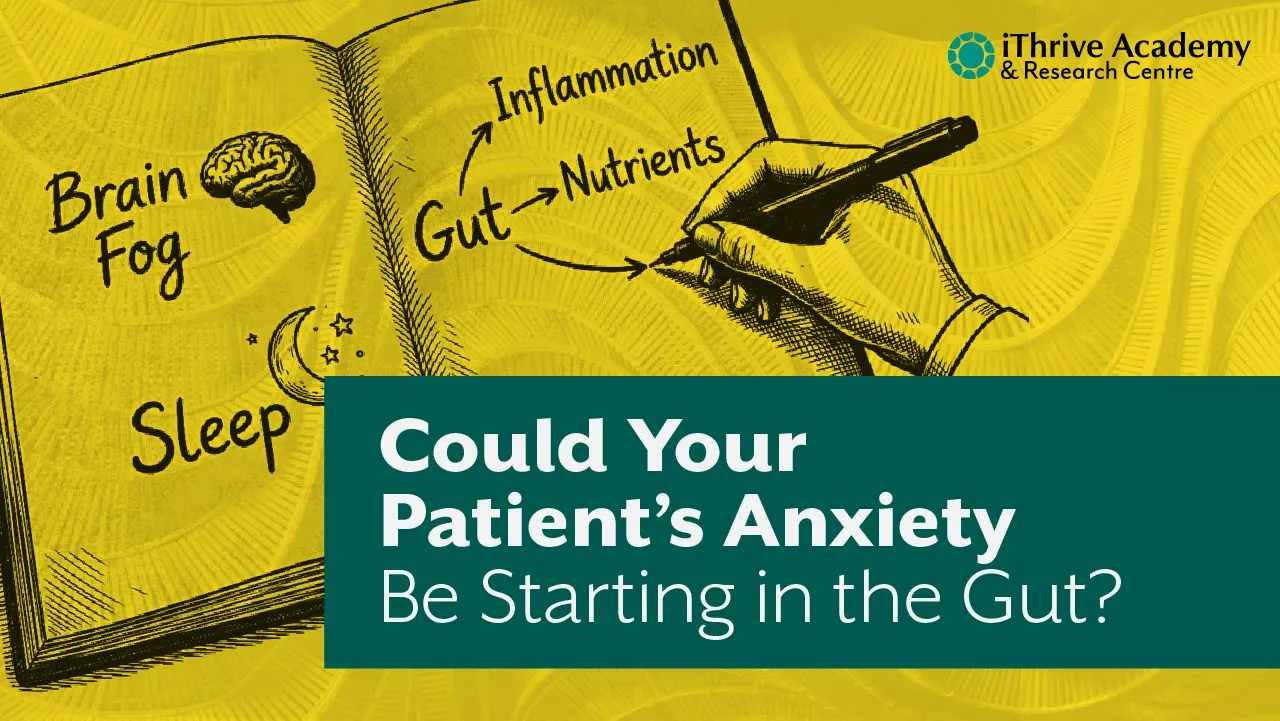

Let me tell you about a patient I want you to think about.
She has seen three doctors in the last two years. Her blood tests come back normal. Her MRI is clear. She is sleeping badly, snapping at people she loves, crying more easily than she used to, and waking up every morning with this quiet, low-grade sense that something is just off.
Someone prescribed an antidepressant. Sometimes it helps a little. Often it does not.
What has never come up in any of her consultations is this: could the problem actually be in her gut? Could it be in her blood sugar? Could it be that her brain is simply running low on the raw materials it needs to function properly?
That is exactly what nutritional psychiatry is asking. And the answers are changing how a lot of practitioners in India are looking at the patients sitting in front of them.
What Is Nutritional Psychiatry, Really?
Nutritional psychiatry is the study of how food, gut health, nutrients, inflammation, and metabolism affect mental health. It starts with one uncomfortable but important truth: the brain is not floating separately from the rest of the body.
The brain uses roughly 20 percent of the body's total energy. It is metabolically expensive tissue. When something goes wrong with the gut, or blood sugar is unstable, or key nutrients are missing, the brain is often the first place you notice the consequences.
That is why the first signs of nutritional problems often do not look like digestion issues or fatigue. They look like this:
- Anxiety that comes out of nowhere
- A foggy, slow feeling that does not go away with sleep
- Feeling irritable or emotionally reactive without an obvious reason
- Low mood that gets worse before periods or during high-stress phases
- A persistent sense of not quite being yourself
For years, nutritional psychiatry in India was treated as something alternative, something fringe. But if you work with women who have burnout, PCOS, thyroid disorders, chronic stress, or autoimmune conditions, you are already seeing this connection every single week, whether you call it nutritional psychiatry or not.
The Food and Mood Connection Nobody Mentioned in Medical School
A practitioner once shared a case that stuck with me. She had been treating a patient for treatment-resistant anxiety for nearly three years. Panic attacks, terrible sleep, PMS that was almost unbearable, bloating after meals, an inability to handle crowded places.
What finally shifted the case was not a new medication.
It was discovering that the patient had severe magnesium deficiency, almost no omega-3 in her diet, chronically unstable blood sugar, and gut inflammation that had been building for years after repeated antibiotic use.
Within four months, her anxiety was significantly reduced.
The brain depends on a constant supply of amino acids, fats, vitamins, and minerals. Neurotransmitters are not made out of thin air. Serotonin needs magnesium, iron, tryptophan, and vitamin B6 to be produced. Dopamine needs zinc, folate, tyrosine, and B12. GABA, the neurotransmitter most linked with calm and stillness, depends heavily on gut health and adequate magnesium levels.
When these building blocks are missing, the brain does not just try harder. It compensates poorly. Mood drops. Focus disappears. The stress response becomes louder than it needs to be.
Why the Modern Urban Indian Diet Is Hard on the Brain
The typical diet most urban Indians are eating right now is creating almost perfect conditions for poor mental health. And most people have no idea.

- Low protein at breakfast, meaning blood sugar crashes before 10am
- Very little zinc, magnesium, or omega-3 from food
- Frequent spikes from chai, bakery items, packaged snacks, and refined carbohydrates
- Excess inflammatory seed oils from restaurant food and ready-made snacks
- A gut microbiome that is slowly weakening from lack of fibre
What is particularly tricky is that most of these people are eating enough calories. They are not underfed in the traditional sense. But they are undernourished in the specific ways that matter most to brain function.
The brain notices every single time.
The Gut and the Brain Are in Constant Conversation
One of the most important concepts in nutritional psychiatry is the gut-brain axis. This is not a metaphor. The gut and brain are physically connected through the vagus nerve. They communicate through the immune system, through hormones, and through the microbiome.
Your patient's anxiety may not begin in the mind at all. It may begin in the intestine.
Your Gut Bacteria Are Making Mood Chemicals Around the Clock
Trillions of gut microbes produce compounds that directly affect how you feel. Certain bacterial strains help produce serotonin, dopamine, and GABA. This means a person who has been eating a low-fibre, high-sugar diet and has had multiple courses of antibiotics may have slowly lost the microbial diversity that keeps emotional regulation stable.
This is why so many clients with anxiety also describe:
- Constipation or loose stools that come and go
- Bloating that gets worse at stressful times
- Feeling notably worse in mood after certain meals
- Developing food intolerances they did not used to have
The body is sending signals. Most practitioners are simply not trained to connect them.
When the Gut Wall Breaks Down, the Brain Gets Inflamed
When the lining of the intestine becomes damaged, a process called metabolic endotoxemia can occur. Bacterial substances leak into the bloodstream and activate the immune system. The immune system then releases inflammatory chemicals that can cross into the brain and activate the brain's own immune cells.
An inflamed brain does not feel calm. It does not feel clear. It feels like:
- Low mood that sleep cannot fix
- Exhaustion that feels different from normal tiredness
- Racing thoughts at night
- Being emotionally fragile without knowing why
- Sensory overwhelm in busy environments
There Is a Biochemical Reason Why Anxiety Can Feel Like Depression
This is one of the most overlooked mechanisms in the field. Under normal conditions, tryptophan, an amino acid from food, is used to make serotonin. But when there is chronic inflammation, the body diverts tryptophan away from serotonin production and into a pathway that produces a neurotoxic compound linked to depression, fatigue, and poor concentration.
This is one of the reasons why telling someone to think positively can feel genuinely insulting. Their brain may not literally have the chemistry required to feel better at that moment.
Brain Fog Is Often an Energy Problem, Not an Emotional One
When practitioners ask patients what bothers them most about their anxiety or depression, the answer is often not sadness. It is the loss of clarity.
Mental clarity depends on mitochondria, the small energy-producing structures inside every brain cell. When mitochondria cannot produce enough ATP, the brain slows down. The person may still function, still go to work, still take care of everyone around them. But they cannot think the way they used to. They feel like they are thinking through fog.
Magnesium: The Most Overlooked Nutrient for an Anxious Brain
Magnesium is required for ATP to become active and usable. Without it, the brain keeps struggling to make and use energy. Magnesium also regulates the receptors for GABA, which helps the nervous system shift from alert to calm.
Low magnesium frequently shows up as:
- Muscle tension, especially in the neck and shoulders
- Feeling wired but too exhausted to sleep
- Heart palpitations without a cardiac cause
- Anxiety that spikes in the evening
- Poor sleep quality even when hours are adequate
In clinical practice, magnesium deficiency is one of the most common and most ignored nutritional problems in India. It is rarely included in standard blood panels.
Vitamin B1 and What Stress Actually Does to the Brain
Thiamine, also known as Vitamin B1, is essential for energy production in the brain. A person living on a high-sugar diet, skipping meals, relying on coffee through the day, or drinking alcohol regularly can become functionally deficient in thiamine even when standard labs look acceptable.
The symptoms are surprisingly psychiatric in nature:
- Persistent brain fog
- A strange inability to cope with ordinary daily tasks
- Episodes of panic with no clear trigger
- Memory problems that seem out of proportion to age
- Irritability and emotional instability
Many practitioners miss this entirely because they are looking for a diagnosis rather than a metabolic explanation.
What to Actually Eat for Better Mental Health
There is no single anti-anxiety food. There is no one diet that fixes depression. But there are very clear patterns. The people who feel meaningfully better over time are generally the ones who stop eating in ways that destabilise the brain and start eating in ways that support it.
Build Every Meal Around Protein
Protein provides the amino acid building blocks the brain needs to make neurotransmitters. It also prevents the blood sugar crashes that trigger cortisol and adrenaline spikes. A breakfast of chai and toast is a recipe for mid-morning anxiety. A breakfast of eggs, Greek yogurt, or legumes with some fat and fibre creates a very different brain chemistry by 11am.
This is a simple shift. But the impact on mood, focus, and energy is often dramatic.
Omega-3 Fats Matter More Than Most People Realise
Omega-3 fats, specifically EPA and DHA, reduce neuroinflammation and support better communication between brain cells. For the majority of Indian patients, omega-3 intake is extremely low. There is almost no oily fish in the regular diet, flaxseeds are eaten inconsistently if at all, and the ratio of omega-6 to omega-3 from seed oils is heavily imbalanced.
Encourage patients to include:
- Fatty fish like sardines, mackerel, and salmon regularly
- Walnuts and chia seeds as consistent daily additions
- A quality marine omega-3 supplement where dietary intake is not sufficient
At the same time, reducing the foods that quietly increase inflammation in the brain makes a real difference: sweetened drinks, excess seed oils, deep-fried foods, refined sugar, and packaged snacks.
The Quiet Role of B12 and Folate
Many patients with poor memory, low mood, and fatigue have elevated homocysteine, a marker that suggests impaired methylation. B12 and folate are needed to recycle homocysteine and support neurotransmitter production.
If a vegetarian patient presents with depression, fatigue, and brain fog, checking their B12 should be one of the first steps. The deficiency is extremely common and extremely underdiagnosed in vegetarian populations across India.
A Note on Breathing and the Anxious Brain
One thing worth mentioning here, even though it is not about food, is breathing.
Some patients do not feel anxious in the classic sense. They feel trapped inside their own thoughts. Overthinking, rumination, an inability to switch off. This is related to how the default mode network of the brain operates, and it becomes more problematic when brain energy is low.
Slow nasal breathing is one of the fastest ways to calm an anxious nervous system. It increases carbon dioxide tolerance and improves oxygen delivery to the brain. Many patients report that when they finally learn to breathe slowly and fully, their anxiety reduces in a way that nothing else has achieved.
Nutrition and breathwork together are a powerful combination for mental health support.
What This Actually Means If You Are a Practitioner
The patient sitting in front of you may not need another label. They may need someone who understands that food and mental health are inseparable. They may need someone who knows how to look at symptoms through the lens of gut health, nutrient status, inflammation, and hormonal patterns.
At iThrive Academy, these mechanisms are explored in depth inside the iThrive Certified Functional Nutrition programme. Practitioners learn how to identify patterns like gut-driven anxiety, blood sugar-related mood disorders, nutrient deficiencies hiding behind depression, and chronic inflammation affecting cognitive function.
The tools are teachable. The patterns are recognisable. And the results, when you start looking at the whole person, are genuinely different.
Practical Steps You Can Start With Today
If you are a practitioner reading this and you want to start applying a nutritional psychiatry lens right away, here is where to begin:
- Start asking about breakfast. What a patient eats in the first hour of the day tells you an enormous amount about their blood sugar patterns and mood swings.
- Ask about bloating, irregular bowel movements, and food reactions. These are gut health signals that are directly linked to mood.
- Check B12, magnesium, and vitamin D in your anxious and depressed patients. You will be surprised how often these come back low.
- Reduce refined sugar and seed oils before reaching for supplements. The dietary foundation matters most.
- Think about the gut before another referral. A damaged gut microbiome is a real driver of anxiety and depression.
Frequently Asked Questions About Food and Mental Health
What exactly is nutritional psychiatry?
Nutritional psychiatry is a field that looks at how food, gut health, nutrients, and inflammation affect mental health conditions like anxiety and depression. It is not a replacement for therapy or medication. It is an additional layer of understanding that asks what biological factors might be driving or worsening mental health symptoms.
Can changing my diet actually reduce anxiety?
For many people, yes. Not always on its own, but as part of a broader approach. When the gut is healthier, blood sugar is more stable, and key nutrients like magnesium and omega-3 are adequate, the brain has what it needs to regulate mood and stress more effectively. With consistent change over eight to twelve weeks, many patients notice meaningful differences.
Why do I feel more anxious after eating certain foods?
This is a very common experience and it is not imagined. High-sugar and high-refined-carbohydrate foods cause sharp spikes and crashes in blood sugar, which trigger adrenaline and cortisol release. This can feel exactly like anxiety. For people with gut inflammation or food sensitivities, certain foods can also trigger an immune response that directly affects mood and energy.
Is gut health really connected to depression?
Yes, and this is one of the most significant areas of research in this field right now. The gut produces a large proportion of the body's serotonin. It communicates constantly with the brain through the vagus nerve. When the gut microbiome is damaged or the gut lining is inflamed, it directly affects neurotransmitter availability and activates inflammatory pathways linked to depression.
What nutrients are most important for mental health?
The ones that come up most consistently in practice are magnesium, omega-3 fatty acids, B12, folate, zinc, vitamin D, and iron. Deficiencies in any of these can contribute to anxiety, depression, brain fog, and poor sleep. Most of these can be assessed through standard blood tests and addressed through dietary changes or targeted supplementation.
How long does it take to see results from changing diet for mental health?
This varies from person to person. Some people notice improvements in energy and clarity within two to three weeks of reducing sugar and refined foods. Deeper changes like gut healing and microbiome restoration can take three to six months. The key is consistency rather than perfection.
Can a practitioner learn nutritional psychiatry formally in India?
Yes. The iThrive Certified Functional Nutrition course covers nutritional psychiatry, gut-brain health, nutrient deficiencies, hormonal influences on mood, and how to connect these patterns in a clinical setting. It is designed for health professionals who want to move beyond symptom management and get to root causes.
The Key Takeaway
Nutritional psychiatry is not about replacing therapy or medication with a green smoothie. It is about recognising that anxiety, depression, and poor mental clarity are deeply shaped by biology, specifically by what is happening in the gut, in the blood, and at a cellular level in the brain.
When the gut is inflamed, blood sugar is unstable, mitochondria are underpowered, and the nutrients required to build neurotransmitters are missing, the brain struggles. But these are not abstract problems. They are measurable, understandable, and very often changeable.
For practitioners, this is an opportunity to move beyond symptom management and ask a better question: what is actually happening underneath the mood?
If you want to build this kind of clinical depth, explore what iThrive Academy offers for health professionals working at the intersection of nutrition and mental wellbeing.





























Sign in to leave a comment.