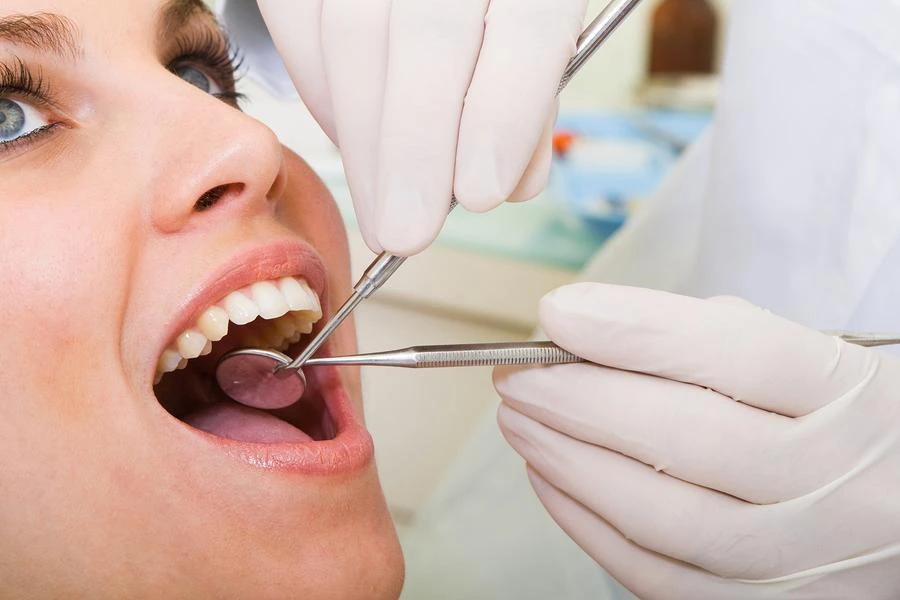

When it comes to healthcare, prevention is key. Detecting diseases in their early stages can significantly increase the chances of successful treatment and save lives. Oral cancer is no exception. Oral cancer screenings play a crucial role in identifying potential signs of oral cancer before they progress, offering a lifeline to patients who might otherwise be unaware of the disease silently developing within them. Look for the top rated dentist in Louisville KY for personalized care.
Oral cancer, which includes cancers of the mouth, lips, tongue, throat, and tonsils, can be devastating if left undiagnosed and untreated. According to the Oral Cancer Foundation, nearly 54,000 Americans are diagnosed with oral cancer each year, and the mortality rate is alarmingly high. However, the good news is that early detection through regular oral cancer screenings can greatly improve survival rates and treatment outcomes.
What is an oral cancer screening, and why is it important?
An oral cancer screening is a simple, painless examination performed by a dental professional to check for signs of oral cancer or precancerous conditions in the mouth. The screening typically involves a visual inspection of the oral tissues, including the lips, gums, cheeks, tongue, and the back of the throat. Your general dentist in Louisville may also use additional tools or tests to aid in the detection process, such as specialized lights or rinses.
Early detection of oral cancer is vital because it allows for early intervention and treatment. During the initial stages, oral cancer may not present any noticeable symptoms or may exhibit subtle signs that can easily go unnoticed by an untrained eye. However, a dental professional trained in oral cancer screenings can identify suspicious areas or abnormalities that may indicate the presence of oral cancer. This early detection provides an opportunity for timely treatment, improving the chances of a positive outcome.
Who should undergo oral cancer screenings?
While oral cancer can affect anyone, certain individuals may be at higher risk and should consider regular oral cancer screenings. These high-risk groups include:
Tobacco and alcohol users: Cigarette, cigar, or pipe smokers, as well as individuals who regularly consume alcohol, face a significantly higher risk of developing oral cancer.HPV (Human Papillomavirus) infection: Certain strains of HPV have been linked to oral cancer. Individuals with HPV infections are at an increased risk and should undergo regular screenings.Age: Oral cancer can occur at any age, but the risk increases with age. Individuals above the age of 40 should be particularly vigilant about oral cancer screenings.Sun exposure: Prolonged and unprotected exposure to the sun's harmful UV rays can increase the risk of lip cancer. Regular use of lip balm with SPF and avoiding excessive sun exposure can help minimize the risk.Family history: If you have a family history of oral cancer or any other type of cancer, it is important to inform your dentist. They can advise you on the appropriate screening frequency based on your individual risk factors.What to expect during an oral cancer screening?
An oral cancer screening is a quick and painless procedure that can be performed during your routine dental check-up. Your dentist will visually examine your mouth and throat for any abnormal or suspicious areas. They may also gently palpate the tissues to check for lumps or other irregularities. In some cases, your dentist may use additional tools, such as a brush or special light, to aid in the examination.
If any suspicious areas are detected during the oral cancer screening in Louisville, your dentist may recommend further diagnostic tests, such as a biopsy, to determine if the abnormality is cancerous or precancerous. Early diagnosis is critical in developing an appropriate treatment plan and maximizing the chances of a successful outcome.
Oral cancer screenings are a vital component of preventive healthcare. By incorporating regular oral cancer exam in Louisville KY into your dental health routine, you can take a proactive approach to safeguarding your well-being. Remember to inform your dentist about any concerns or changes you have noticed in your mouth or throat, as early detection is key in the fight against oral cancer.





























Sign in to leave a comment.