
Peanut butter is a popular choice for fitness enthusiasts and amateurs due to its high-calorie content. However, because of its density, it can be overstated, making serving measurements challenging.
As low-calorie and healthy eating options become more widely available, peanut powder—a novel form of peanut butter with 70% less fat, protein, and fibre—has grown in favour.
The distinctions between ordinary and powdered peanut butter are covered in this article, along with tips on how to utilize it to enhance flavour.
The possible advantages of peanut butter powder nutrition are also discussed, as is whether it is a trend for the newest popular low-calorie snack, or worth the hype. Let's read!
Methods Used to Make Protein Peanut Butter Powder
The process of making protein peanut butter powder is as follows:
- Peanut Selection: The first step in the process is to choose premium raw peanuts. These peanuts have been carefully selected to have the highest flavor and nutritional value and to be free of any flaws, such as mold or damage.
- Roasting: To improve their flavor and scent, the chosen peanuts are roasted. The peanuts are roasted by heating them for a predetermined amount of time at regulated temperatures. This step is essential because it helps the peanuts lose moisture while also enhancing their flavor.
- Pressing and Defatting: The peanuts are pressed to eliminate the majority of their oil and fat after roasting. A dry, defatted peanut cake is left behind after the oil is extracted using a mechanical press. To guarantee that the most oil is extracted while maintaining flavor, the pressing is closely watched.
- Grinding: Next, a fine powder is made from the defatted peanut cake. The powder's uniformly smooth texture is guaranteed by this grinding procedure. The defatted peanut cake's hardness may be handled by the grinding equipment, which turns it into a powder without sacrificing its nutritional content.
- Separating: To guarantee a consistent consistency and get rid of any bigger particles, the ground peanut powder is sieved. To create a fine, smooth powder that is easily combined with other ingredients or reconstituted with water, this step is crucial.
- Strict: Quality control procedures are followed at every stage of the procedure. To verify consistency, flavor, and nutritional value, samples are taken at different points throughout time. To preserve the excellent caliber of the peanut butter powder, any deviations from the criteria are fixed.
- Packaging: To preserve its freshness and stop moisture from compromising its quality, protein peanut butter powder is sealed in airtight containers after it satisfies all quality requirements. To guarantee the product does not get contaminated, the packaging is done in a controlled setting.
- Distribution and Storage: Until it is time for delivery, the packaged peanut butter powder is stored in a dry, cool location. To ensure that the product maintains its flavor and nutritional content until it is consumed, proper storage conditions are maintained.
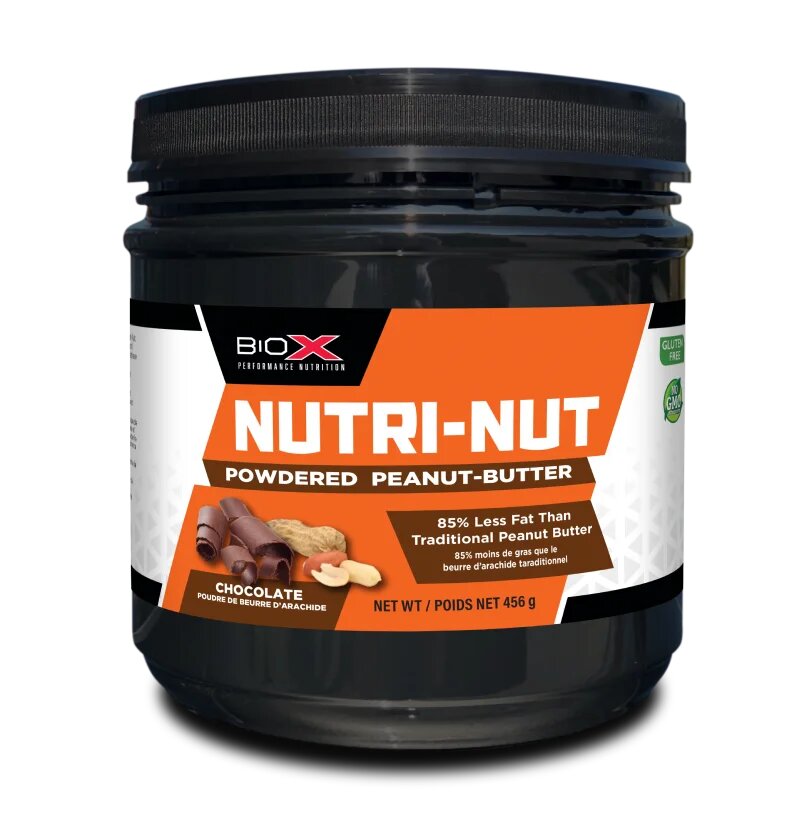
What is the Difference Between Regular and Powdered?
It is crucial for people who are already thinking about trying peanut butter powder nutrition to understand how it stacks up against full-fat peanut butter in terms of taste, usability, and nutritional information.
190-200 calories, 16–19 grams of fat from mostly unsaturated sources (but still a few grams of saturated fats on average), 150–250 mg of sodium, 6–9 grams of carbohydrates (with some brands having more sugar than fiber, but both are typically in the range of 2-4 grams), 6–8 grams of protein, and a variety of micronutrients, including calcium, iron, vitamin E, niacin, magnesium, vitamin B6, folic acid, zinc, and copper, all vary depending on the brand.
Peanut butter has a very varied micronutrient profile and not the worst macronutrient ratio. It is not harmful in the least, but when ingested in excess, the calories from even good fats can cause the waist to swell.
All of the peanuts' oil and moisture are extracted before they are ground into a fine, grainy powder to create powdered peanut butter. Although the serving size is two tablespoons, it weighs only 12 grams, making it much lighter.
It can be combined with water to create a paste that resembles Nutri-Grain, but after mixing, it only fills up about one tablespoon, so the calories per serving must be doubled to get as much peanut butter as the regular stuff.
This leaves us with 90 calories per 30 grams, 2-3 grams of fat (after removing all saturated fat), 180–200 mg of sodium (unless salt is added for flavor), 8–10 grams of carbohydrates (fiber typically outweighs sugar 2:1, unless sugar is added for flavor again), 8–10 grams of protein, and regrettably fewer micronutrients, with only trace amounts of calcium, iron, vitamin E, and niacin.
When measured by weight, powdered peanut butter contains roughly half as many calories as regular peanut butter, with all of the calories coming from fat.
However, when determining whether the calories saved make the switch worthwhile, taste and purpose will be taken into consideration, as we will discover in the following section.
Using Which Form When and Comparing Taste
Theoretically, lovers of the creamy spread can avoid extra calories and satisfy their sweet tooth by using powdered peanut butter, but in reality, this is not always feasible. About a tablespoon of water is added to two teaspoons of powdered peanut butter to make it spreadable.
Sadly, without the oil to keep it creamy, the powdered peanut butter turns gritty, and, although it tastes like peanut butter, it will not spread like full-fat peanut butter.
According to this writer, ordinary peanut butter will stick and have a more uniform consistency when applied to bread for sandwiches, fruit, and other spreads. Mixing ordinary nutri nuts with smoothies, protein shakes, oatmeal, yogurt, and other foods is a challenge.
In most cases, it will mix rather well, but large lumps of peanut butter will remain in the yogurt or at the bottom of your smoothie. This is where powdered peanut butter shines.
The powder can be mixed into smoothies, oatmeal, and yogurts, and because it mixes well in liquid and still has a strong peanut butter flavor (which can be a little bitter when eaten on its own), it will likely not leave a bitter aftertaste because of the other equally potent flavors.
However, since everyone has different preferences and objectives, go ahead and purchase one tub of each variety and try out what you believe would work for you.
While some people may find powdered peanut butter to be unappealing and prefer the higher-calorie creamy variety, others will enjoy the flavor and discover a new method to satisfy their desires!
Summary
With half the calories and equal amounts of protein and fiber, peanut powder is a better option than traditional full-fat peanut butter.
Although it might not be as spreadable, it can be added to yogurt, protein smoothies, and baking preparations.
As long as you keep track of the quantity and incorporate it into your macros, you can still consume actual peanut butter if you choose. As an alternative, you might try adding different foods to powdered peanut butter to improve its flavor.
For instance, you may make a rich, creamy, and guilt-free breakfast or post-workout meal by mixing rolled oats, vanilla whey protein, peanut butter powder, and powdered peanut butter. Savor the flavor and discover more about delectable and nutritious foods.

























Sign in to leave a comment.