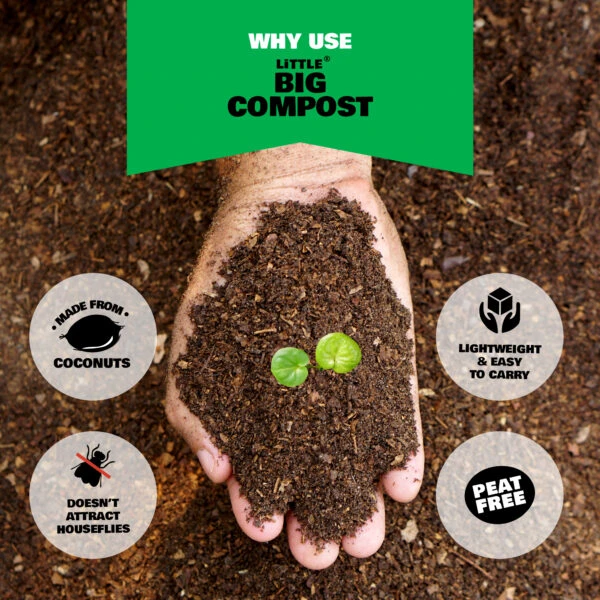

Gardening is about nurturing plants while also caring for the environment they grow in. For years, peat-based composts were the standard choice for gardeners, prized for their moisture retention and light texture. However, the environmental cost of peat extraction has pushed many toward a better option: peat free compost. This eco-friendly alternative is now widely available and delivers excellent results for both beginner and experienced gardeners.
What Is Peat Free Compost?
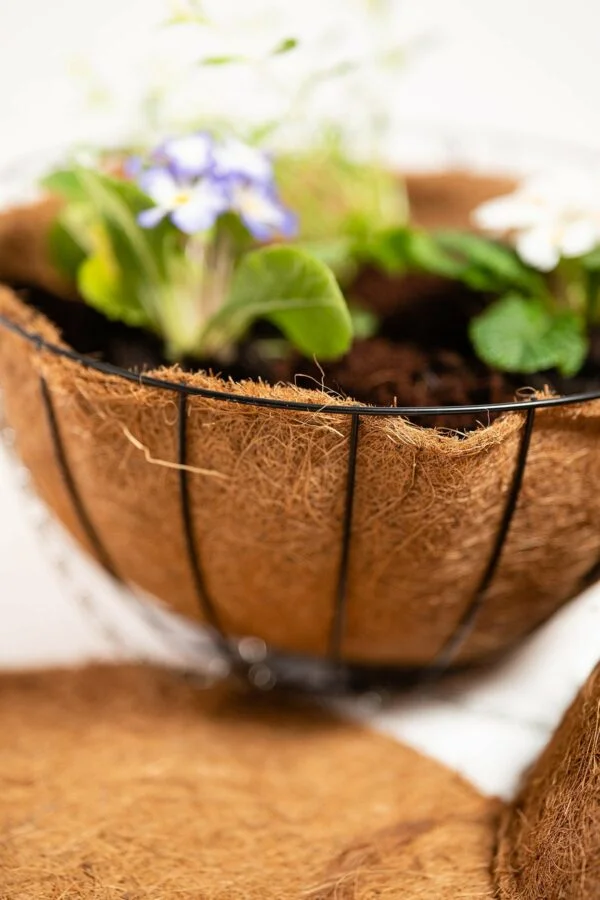
Peat free compost is a soil-enhancing product made without peat moss. Instead, it relies on renewable and recycled ingredients such as coir (coconut fiber), composted bark, wood fiber, green waste, and other organic materials. These blends are designed to mimic or improve upon the qualities of peat, making them effective for potting, planting, and soil conditioning.
Why Move Away from Peat?
Peat is formed in wetlands called peat bogs, which take thousands of years to develop. These bogs act as carbon stores and provide unique habitats for wildlife. Harvesting peat for compost destroys these ecosystems and releases large amounts of carbon dioxide, contributing to climate change. By choosing peat free alternatives, gardeners can protect biodiversity and reduce their carbon footprint.
Benefits of Using Peat Free Compost
1. Environmentally Friendly
The main advantage of peat free compost is sustainability. Most blends use recycled green waste or by-products from other industries, such as coconut husks or wood fibers. This reduces waste while protecting fragile peatlands.
2. Healthy Plant Growth
Peat free compost provides a balanced structure that supports root development. Its combination of organic materials helps with drainage while also retaining enough moisture for plants to thrive.
3. Versatility
You can use peat free compost for a variety of gardening tasks. It works well for sowing seeds, repotting houseplants, growing vegetables, and improving garden beds. Many suppliers even create blends tailored for specific needs, such as seedlings or container plants.
4. Long-Term Soil Improvement
Unlike peat, which eventually compacts and offers little nutrient value, peat free compost enriches the soil over time. Ingredients like green compost and wood fiber improve soil fertility and texture as they break down.
Common Ingredients in Peat Free Compost
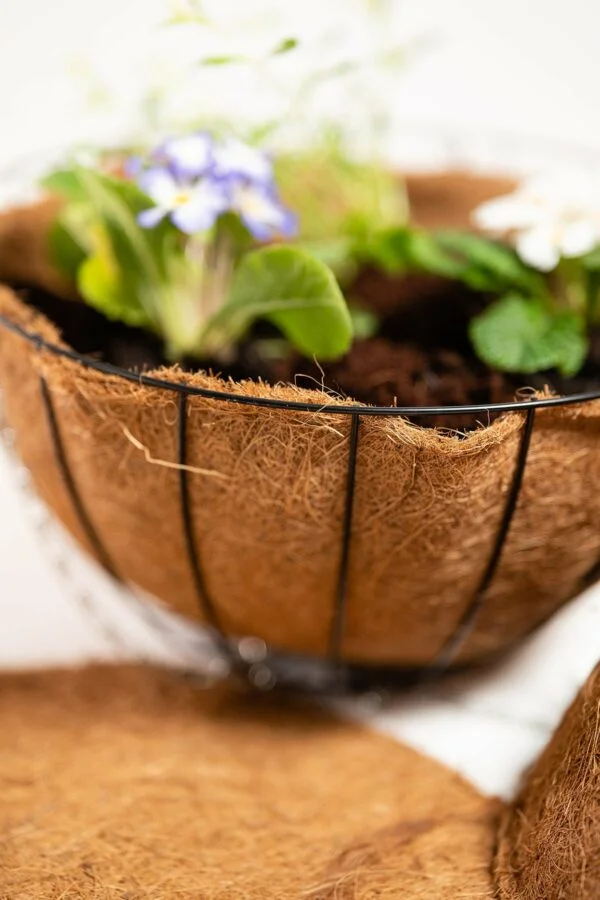
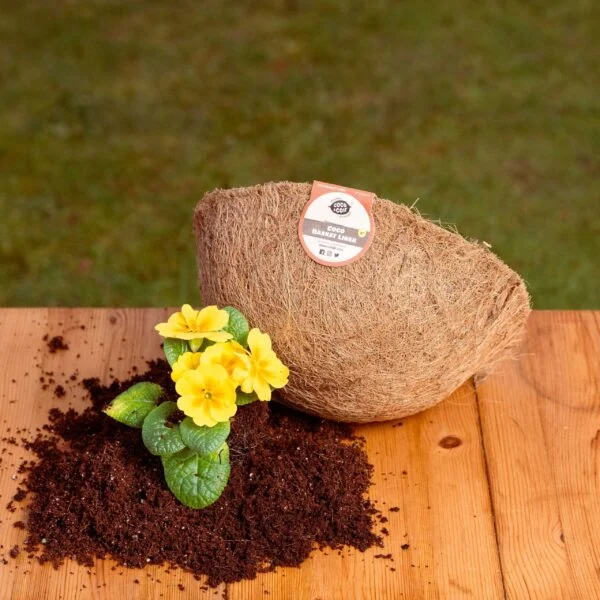
- Coir (Coconut Fiber): Excellent for water retention and root aeration.
- Green Waste Compost: Adds nutrients and organic matter back into the soil.
- Wood Fibers: Create an open structure that prevents compaction.
- Composted Bark: Improves drainage and adds texture.
- Loam: Provides minerals and stability to the mix.
How to Use Peat Free Compost
For Seed Sowing
Choose a fine-textured peat free compost designed for young seedlings. It provides the right balance of air and moisture for delicate roots.
For Potting Plants
When repotting indoor or outdoor plants, select a general-purpose peat free compost with added nutrients. This will keep plants healthy and growing strong.
For Garden Beds
Mix peat free compost into the soil to improve its structure. It helps clay soil drain better and gives sandy soil the ability to hold water for longer.
For Mulching
Spread compost around the base of plants as mulch. It locks in soil moisture, regulates temperature, and reduces weed growth.
Tips for Gardening with Peat Free Compost
- Water Regularly: Some peat free mixes dry out quicker than peat, so keep an eye on soil moisture.
- Feed Plants: Nutrients in peat free compost can run out faster, so add liquid feed or slow-release fertilizer for long-term growth.
- Pick the Right Mix: Look for compost blends suited for your specific gardening needs. Seed compost is different from multipurpose compost.
Peat Free vs. Peat-Based Compost
Some gardeners wonder if peat free compost works as well as traditional peat-based compost. Early versions had inconsistent results, but modern peat free options have improved significantly. High-quality blends now provide equal or better results in most gardening tasks, proving that gardeners don’t have to compromise performance for sustainability.
The Bigger Picture
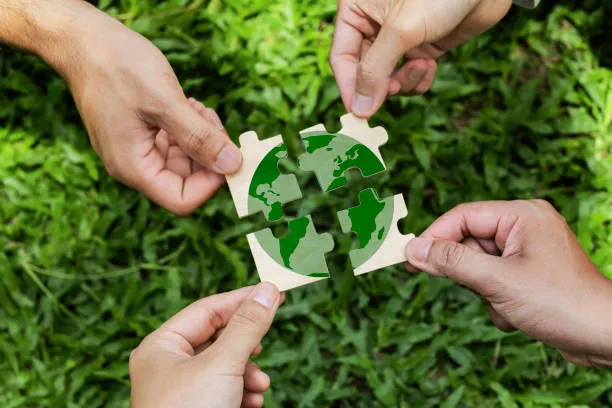
Switching to peat free compost may seem like a small choice, but it plays an important role in protecting the environment. If more gardeners choose peat free options, demand for peat extraction will decrease. This helps preserve wildlife habitats, reduces carbon emissions, and supports a healthier planet.
Final Thoughts
Peat free compost is more than just a gardening product—it’s a conscious choice for sustainability. By using renewable materials and supporting healthy plant growth, it offers all the benefits of traditional compost without the environmental damage. Whether you’re starting seeds, repotting houseplants, or enriching garden soil, peat free compost is the greener, smarter option.













Sign in to leave a comment.