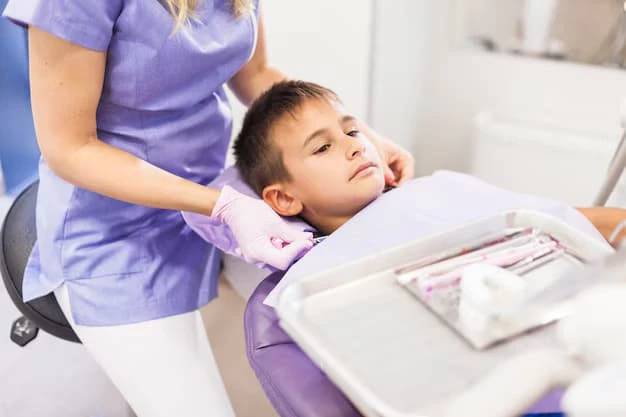

Visiting the dentist can be intimidating for many children. Pediatric dental offices are designed to create a welcoming environment that helps children feel safe, relaxed, and confident during dental visits. Ensuring a comfortable experience is essential not only for addressing immediate dental needs but also for fostering lifelong healthy habits. Pediatric dental clinics focus on creating a positive atmosphere, providing education, and using techniques tailored specifically to children’s developmental stages. Understanding these tips can help parents and caregivers support a child’s dental visits and make the experience as stress-free as possible.
Preparing for the Visit
Preparation is key to a positive dental visit. Parents can help by explaining the purpose of the appointment in a calm and age-appropriate manner. Using simple language to describe what will happen can reduce fear and uncertainty. For example, describing the dental chair as a "special seat for checking teeth" or the tools as "tooth helpers" can make the experience less intimidating.
It is also helpful to bring familiar items, such as a favorite toy or blanket, which can provide comfort and reassurance. Encouraging children to ask questions and express their feelings about the visit can empower them and create a sense of control. Pediatric dental clinics often recommend that parents remain calm and positive, as children often mirror the emotions of their caregivers.
Scheduling at the Right Time
Timing appointments to coincide with a child’s natural mood and energy levels can significantly impact the experience. Early morning visits may work best for young children, as they tend to be well-rested and more cooperative. Scheduling around naps or meals should be avoided to prevent fatigue or irritability.
Pediatric dental offices often offer flexible scheduling to accommodate the unique needs of children. Communicating with the dental team about the child’s routines and preferences allows staff to tailor the appointment to maximize comfort and cooperation.
Familiarizing Children with the Environment
Introducing children to the dental office before treatment can help reduce anxiety. Many pediatric dental clinics offer pre-visit tours or allow children to meet the staff and explore the environment. Familiarity with the office layout, dental chair, and tools can make the experience feel more predictable and less intimidating.
Parents can also use books, videos, or role-playing activities at home to simulate a dental visit. Practicing sitting in a chair, opening the mouth wide, and pretending to count teeth can help children feel prepared and more confident when they arrive at the clinic.
Clear Communication and Positive Reinforcement
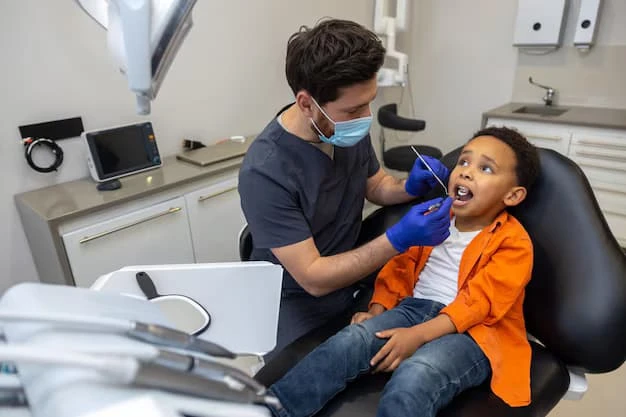
Pediatric dental offices emphasize clear communication with children to make procedures understandable and less frightening. Dentists often explain steps using simple, non-threatening language and demonstrate tools before use. Terms like "tooth tickler" for a dental mirror or "water sprayer" for suction equipment make unfamiliar instruments more relatable.
Positive reinforcement, such as praise, stickers, or small rewards, encourages cooperative behavior and reduces stress. Celebrating milestones, like completing a cleaning or sitting still during an examination, helps children associate dental visits with accomplishment rather than fear. Pediatric dental clinics carefully balance encouragement with patience, ensuring children feel supported throughout the process.
Managing Dental Anxiety
Dental anxiety is common among children, but pediatric dental offices are equipped to manage it effectively. Techniques such as guided breathing, distraction with music or videos, and gentle explanations help reduce stress. Some clinics use interactive games, tablets, or virtual reality to divert attention during procedures, making treatment more engaging and less stressful.
Pediatric dentists are also trained to recognize signs of anxiety, such as fidgeting, clenching teeth, or tearfulness. By adjusting their approach and providing reassurance, they can create a safe environment that encourages children to remain calm and cooperative.
Using Child-Friendly Equipment
The use of child-sized dental equipment is an important factor in comfort. Smaller chairs, appropriately sized instruments, and adjustable lighting help accommodate children’s physical needs and make procedures easier to tolerate. Pediatric dental offices often design spaces with bright colors, engaging artwork, and playful decor to create a welcoming environment that feels less clinical.
These elements not only reduce anxiety but also make the dental visit a more enjoyable and memorable experience. When children feel comfortable physically and emotionally, they are more likely to return for regular check-ups and follow the recommended dental care routines.
Building Trust Through Routine
Consistency and routine are vital in pediatric dental care. Regular dental visits help children become familiar with the office, the staff, and the procedures. Over time, children develop trust in the dental team, reducing fear and improving cooperation. Pediatric dental offices encourage parents to schedule routine check-ups every six months, as this consistency reinforces positive dental habits and allows for early detection of potential issues.
Routine visits also provide opportunities for children to learn about oral hygiene in a supportive setting. Pediatric dental clinics educate children on proper brushing, flossing, and healthy eating habits, reinforcing what is practiced at home and contributing to long-term oral health.
Encouraging Parental Involvement
Parental involvement is essential in creating a comfortable dental experience. Parents can model calm behavior, provide reassurance, and celebrate achievements during dental visits. Communicating openly with the dental team about the child’s past experiences, fears, or special needs allows the staff to adjust their approach and provide personalized care.
Parents are also encouraged to practice oral hygiene routines at home, preparing the child for discussions and demonstrations during the dental visit. By reinforcing what the pediatric dental team teaches, parents play a key role in promoting a positive, stress-free experience.
Tailoring Treatment to Individual Needs
Every child is unique, and pediatric dental offices tailor their approach to individual needs. Age, personality, previous dental experiences, and health conditions all influence how care is delivered. Pediatric dentists assess these factors to determine the most comfortable and effective techniques for each child.
For instance, younger children may benefit from shorter appointments with breaks, while older children may prefer more detailed explanations about procedures. Pediatric dental clinics are flexible, ensuring that each visit is adapted to the child’s comfort level, which fosters cooperation and reduces anxiety.
Creating a Positive Atmosphere
The overall atmosphere of a pediatric dental office contributes significantly to a child’s comfort. Friendly staff, colorful decor, engaging toys, and positive interactions all help children feel at ease. Some offices include play areas, interactive walls, or educational displays to make the environment inviting and stimulating.
This positive atmosphere encourages children to associate dental visits with fun and learning rather than fear. Pediatric dental clinics strive to create an environment that supports not only oral health but also emotional well-being, making every visit a positive step toward lifelong healthy habits.
Supporting Long-Term Dental Health
A comfortable experience in the pediatric dental office has long-term benefits. Children who feel safe and supported during dental visits are more likely to maintain regular check-ups and adopt healthy oral hygiene practices. Pediatric dentists help children understand the importance of brushing, flossing, and limiting sugary foods, promoting habits that prevent cavities, gum disease, and other dental issues in the future.
By creating a welcoming, child-centered environment and providing guidance to both children and parents, pediatric dental offices ensure that dental care is not only effective but also enjoyable. These early experiences set the stage for lifelong oral health and a positive attitude toward routine dental care



























Sign in to leave a comment.