
I've noticed that almost everyone I talk to has some kind of sleep complaint. Not necessarily full-blown insomnia, just the general sense of never quite getting deep enough rest, waking up at three in the morning for no reason, or lying there running through tomorrow's to-do list instead of drifting off. We've all tried the usual fixes. Cutting caffeine after noon, blackout curtains, putting the phone in another room. Those things help at the margins, but they don't always touch the part of the problem that's happening underneath the surface, in your nervous system itself.
That's where I want to talk about PEMF therapy, because it's one of the few tools I've come across that seems to work with your body's actual electrical signaling rather than just adjusting your environment around it. Let's get into what it actually does, what the research says, and whether it's a legitimate option or just another wellness trend riding the biohacking wave.
Why Sleep Problems Are Often a Nervous System Issue
Here's something I think gets missed a lot. Poor sleep usually isn't a willpower problem or even purely a habits problem. It's frequently a nervous system stuck in a low-grade state of alertness, the kind that comes from stress, screen exposure, or just a busy modern life that never fully switches off. Your body needs to shift from a sympathetic, alert state into a parasympathetic, rest-and-digest state before real sleep can happen, and for a lot of people that switch just doesn't flip easily anymore.
This is exactly the layer where PEMF operates. Pulsed Electromagnetic Field therapy delivers low-frequency electromagnetic pulses that interact with your body's own bioelectrical activity, and one of its most consistently reported effects is helping shift the autonomic nervous system toward that calmer, parasympathetic state. Instead of trying to force relaxation through breathing exercises or supplements, it's nudging the underlying electrical environment your nervous system runs on.
What the Research Actually Shows
I don't like repeating wellness claims without something behind them, so let's look at what's actually been studied. A double-blind, placebo-controlled trial on PEMF and insomnia found meaningful reductions in sleep latency, meaning people fell asleep faster, along with real improvements in overall sleep quality. A more recent multicenter, randomized trial specifically testing pulsed magnetic therapy in people with diagnosed insomnia disorder found similar results, with participants showing significant improvement over the placebo group.
Some of the mechanisms researchers point to are genuinely interesting. PEMF appears to influence melatonin production, the hormone responsible for regulating your circadian rhythm. It's also been linked to lower cortisol levels, and cortisol staying elevated at night is one of the more common reasons people lie awake feeling wired but exhausted at the same time. There's also evidence pointing toward improvements in sleep architecture itself, meaning more time spent in deep, restorative sleep stages rather than just more total hours logged.
None of this means PEMF is a guaranteed fix, and the research field is still young enough that we shouldn't treat every finding as settled science. But the direction of the evidence is consistent, and that consistency is what makes it worth paying attention to rather than dismissing outright.
How a Session Actually Feels
If you've never tried it, the experience is almost anticlimactic in a good way. You lie down, the device runs through pulsed frequencies, and you feel little to nothing beyond maybe a faint warmth if infrared is built in alongside the PEMF function. There's no jolt, no vibration, nothing that feels medical or uncomfortable. Most people just feel a gradual settling, similar to the sensation of finally exhaling after a long day.
Timing matters more than people expect. Using it right before bed, for something like twenty to forty-five minutes, tends to work better than using it earlier in the day if sleep is specifically the goal, since you're essentially priming your nervous system right as it's supposed to be winding down anyway.
Bringing This Into an Actual Nightly Routine
This is usually the part where good intentions fail. A tool only helps if it's easy enough to actually use every night, not just the first week when the novelty is still there. That's really the deciding factor between something becoming part of your routine or becoming another gadget in a drawer.
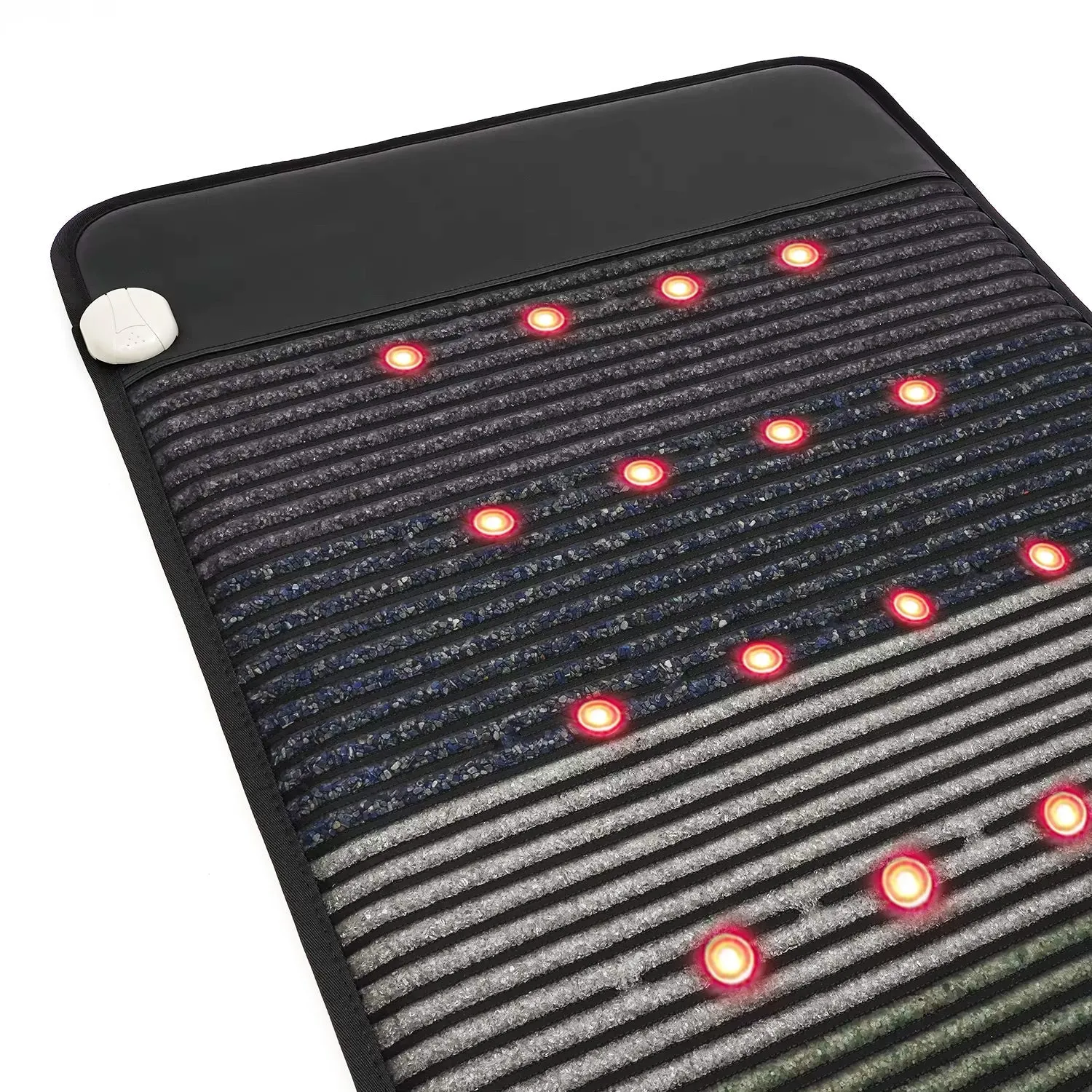
For a full wind-down session, lying flat with your whole body covered tends to be the most effective approach, since you're not just targeting one isolated area but supporting your entire nervous system at once. A full-length PEMF therapy for better sleep setup, like a PEMF Mat, lets you build that into an actual bedtime ritual instead of squeezing it in somewhere else in your day.
If you already have a wind-down process you like and just want to layer PEMF into it without changing anything else, a dedicated PEMF Therapy Mat built specifically for nightly use makes that simple, since you can keep it right on the bed and use it as the last step before lights out.
Some people also want the added benefit of red light alongside the PEMF pulses, since red light has its own separate research behind supporting relaxation and skin recovery. In that case, something like a PEMF & Red Light Therapy Mat combines both in a smaller, more flexible format that still fits easily into a nightly routine without taking over the whole bed.
Who Should Be Cautious
I always want to flag this clearly. PEMF isn't recommended for anyone who is pregnant, has a pacemaker or other implanted electronic device, has epilepsy or a seizure disorder, has recently undergone an organ transplant, or has a history of blood clots or stroke. If you're managing any diagnosed medical condition, talk to your doctor before adding it into your routine. This is meant to support general wellness and sleep quality, not to replace medical treatment or diagnose anything.
So, Can It Actually Help You Sleep Better?
Based on what the research shows and what people consistently report, I think the honest answer is yes, for a lot of people it genuinely can, though it's not going to override a chaotic schedule or a room full of blue light an hour before bed. It works best as one part of a broader approach, not a replacement for the basics you already know matter.
What makes it worth trying, in my opinion, is how little friction it adds. You're not adding a supplement, not changing your diet, not forcing yourself into a new habit that feels effortful. You're lying down for something you were already about to do anyway, just giving your nervous system a bit of help getting there.




























Sign in to leave a comment.