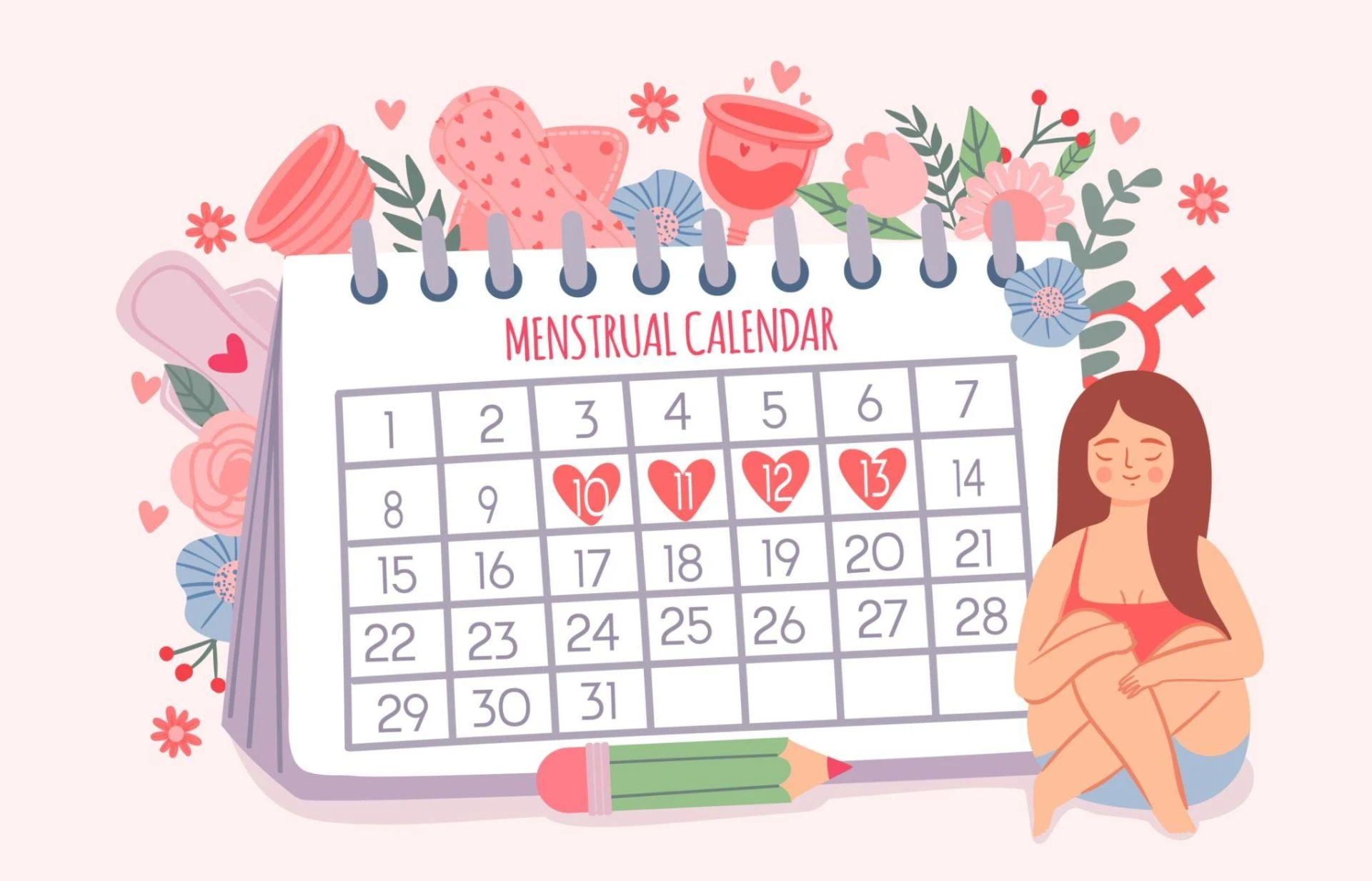

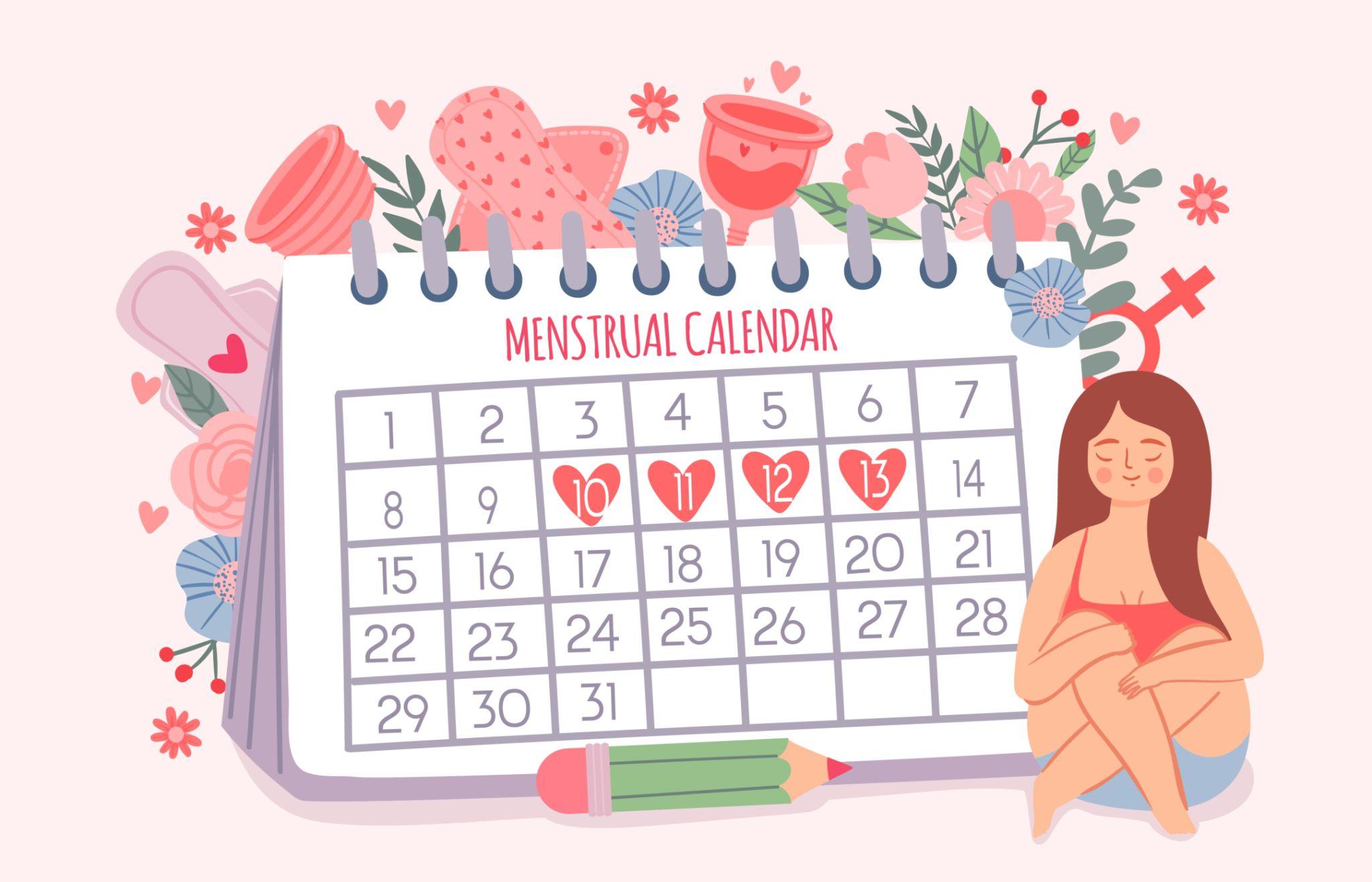
Understanding the menstrual cycle is an essential part of women’s health. Many women want to know when their next period will begin, when ovulation occurs, or when their most fertile days fall within the cycle. This is where a period calculator becomes extremely useful. It helps estimate upcoming menstrual events and provides valuable insights into reproductive health.
A period calculator is a digital tool designed to predict menstrual cycle dates based on personal cycle information. By entering details such as the first day of the last period and the average cycle length, the tool estimates the next menstrual cycle, ovulation day, and fertile window. An accurate period calculator can help women track their cycle patterns, plan daily activities, and better understand their bodies.
In this comprehensive guide, we will explain how a period cycle calculator works, how it predicts menstrual cycles, and why it has become an important tool for menstrual health awareness.
Understanding the Menstrual Cycle
Before learning how a menstrual cycle calculator predicts your cycle, it is important to understand how the menstrual cycle functions.
The menstrual cycle is a natural hormonal process that prepares the body for pregnancy each month. A typical cycle lasts between 21 and 35 days, although it can vary from person to person. The cycle begins on the first day of menstruation and ends the day before the next period starts.
The menstrual cycle consists of four major phases:
1. Menstrual Phase
This phase begins when menstrual bleeding starts. The uterus sheds its lining because pregnancy did not occur during the previous cycle. This phase typically lasts 3 to 7 days.
2. Follicular Phase
During the follicular phase, the body begins preparing for ovulation. Hormones stimulate the ovaries to develop follicles, each containing an immature egg. One follicle eventually becomes dominant and prepares for ovulation.
3. Ovulation Phase
Ovulation occurs when the ovary releases a mature egg. This usually happens around the middle of the cycle. Ovulation is the most fertile stage of the menstrual cycle.
4. Luteal Phase
After ovulation, the body prepares the uterus for possible pregnancy. If fertilization does not occur, hormone levels drop and the next menstrual cycle begins.
Understanding these phases helps explain how a period cycle calculator predicts upcoming cycle events.
What Is a Period Calculator?
A period calculator is an online tool designed to estimate menstrual cycle dates and fertility windows. It uses information about your previous cycles to generate predictions about future cycles.
Typically, a next period calculator requires three main pieces of information:
- The first day of your last menstrual period
- Your average cycle length
- The number of days your period lasts
Using this data, the menstrual cycle calculator estimates:
- The expected start date of your next period
- Your ovulation day
- Your fertile window
- Upcoming menstrual cycles
This information can help women monitor their reproductive health and identify patterns in their cycle.
How Does a Period Calculator Predict Your Cycle?
A period calculator predicts menstrual cycles using mathematical calculations based on previous cycle patterns. The algorithm analyzes your cycle data and estimates future cycle dates.
Here are the steps involved in prediction.
Step 1: Cycle Length Analysis
The calculator determines the average number of days between menstrual cycles. This number becomes the baseline for predicting the next cycle.
Step 2: Ovulation Estimation
Ovulation typically occurs about 12 to 14 days before the next period. Using this information, the period cycle calculator estimates the most likely ovulation day.
Step 3: Fertile Window Identification
The fertile window usually includes:
- The five days before ovulation
- The day of ovulation
The calculator highlights these days because they represent the highest chance of conception.
Step 4: Next Period Prediction
Once ovulation timing is estimated, the next period calculator predicts the next menstrual cycle by adding the average cycle length to the last period date.
What Makes an Accurate Period Calculator?
Not all calculators provide the same level of accuracy. An accurate period calculator typically includes advanced features that improve prediction reliability.
These features may include:
- Multiple cycle tracking
- Historical data analysis
- Ovulation estimation
- Symptom tracking
- Hormonal pattern recognition
The more information you provide, the more accurate the predictions become.
Benefits of Using a Period Cycle Calculator
Using a period cycle calculator provides many benefits beyond simply predicting the next period.
1. Better Cycle Awareness
Tracking cycles regularly helps women understand their hormonal patterns and menstrual health.
2. Predicting the Next Period
A next period calculator helps estimate when the next cycle will start, allowing women to prepare accordingly.
3. Fertility Planning
Couples trying to conceive can use a menstrual cycle calculator to identify fertile days.
4. Identifying Health Patterns
Tracking symptoms and cycle length can help detect irregularities or health concerns early.
5. Convenience and Simplicity
Instead of calculating dates manually, a period calculator performs the calculations instantly.
Manual Period Tracking vs Digital Calculators
Before digital tools became widely available, women tracked menstrual cycles manually using calendars.
Manual Tracking
Traditional tracking involved marking the first day of each period and counting the days until the next cycle.
While this method can work, it requires consistent record keeping and manual calculations.
Digital Period Calculators
A menstrual cycle calculator simplifies this process by automatically calculating cycle dates and fertility windows.
Modern tools often include additional features such as:
- Cycle history tracking
- Ovulation predictions
- Symptom monitoring
- Health insights
This makes digital tracking more efficient and accurate.
Factors That Can Affect Cycle Predictions
Although a period calculator provides helpful estimates, several factors can influence menstrual cycle timing.
Hormonal Changes
Hormonal fluctuations can cause variations in cycle length.
Stress
High levels of stress can disrupt hormonal balance and delay ovulation.
Lifestyle Changes
Travel, intense exercise, and changes in diet can affect cycle timing.
Medical Conditions
Conditions such as polycystic ovary syndrome (PCOS) or thyroid disorders may cause irregular cycles.
Because of these factors, predictions from a next period calculator should be considered estimates rather than exact dates.
Tips to Improve Period Calculator Accuracy
To get the most reliable results from an accurate period calculator, consider the following tips.
Track Multiple Cycles
Recording cycle data for three to six months helps identify consistent patterns.
Monitor Physical Symptoms
Noting symptoms such as cramps, mood changes, and fatigue can provide additional insights into your cycle.
Record Ovulation Signs
Signs such as cervical mucus changes and basal body temperature can help confirm ovulation timing.
Update Data Regularly
Entering new cycle information each month helps the period cycle calculator refine its predictions.
When Should You Consult a Doctor About Your Cycle?
Occasional variations in menstrual cycles are normal. However, certain symptoms may require medical attention.
Consult a healthcare professional if you experience:
- Periods that stop for more than three months
- Cycles shorter than 21 days or longer than 35 days
- Heavy bleeding that lasts longer than a week
- Severe menstrual pain
- Frequent irregular cycles
Medical evaluation can help identify underlying health conditions affecting menstrual health.
How Period Calculators Support Fertility Awareness
One of the most valuable benefits of a menstrual cycle calculator is fertility tracking.
The fertile window usually occurs during:
- Five days before ovulation
- The day of ovulation
During this time, the chances of pregnancy are highest. Couples trying to conceive often use a next period calculator to plan intercourse during these fertile days.
Although fertility awareness tools are helpful, they should not replace professional medical advice when dealing with fertility concerns.
Why Every Woman Should Track Her Menstrual Cycle
Tracking menstrual cycles provides valuable insights into reproductive health. Regular monitoring helps women understand their bodies and detect potential health concerns early.
Using a period cycle calculator offers several advantages:
- Improved awareness of menstrual patterns
- Better preparation for upcoming cycles
- Increased fertility awareness
- Early detection of irregularities
These benefits make menstrual tracking an essential aspect of women’s health management.
Summary
A period calculator is a valuable digital tool that helps predict menstrual cycles, ovulation timing, and fertile windows. By analyzing basic information such as the first day of the last period and the average cycle length, a menstrual cycle calculator estimates important reproductive health dates.
Using an accurate period calculator regularly allows women to track their menstrual patterns, monitor hormonal changes, and gain better insight into their reproductive health. Whether the goal is cycle awareness, fertility planning, or simply staying informed, a period cycle calculator offers a convenient and reliable way to understand the body’s natural rhythm.
Consistent tracking improves prediction accuracy over time, making the next period calculator an effective tool for managing menstrual health and maintaining overall reproductive well-being.
























Sign in to leave a comment.