

Periodontitis, often regarded as a silent destroyer of oral health, is a condition that affects the supporting structures of the teeth, leading to significant dental issues if left untreated. This inflammatory disease targets the gums and bone surrounding the teeth, resulting in the progressive loss of these essential tissues. Understanding the complexities of periodontitis is vital, not just for dental professionals but also for anyone seeking to maintain a healthy mouth. This article delves into the causes, symptoms, and periodontitis treatment options, providing a comprehensive look at this prevalent condition.
Understanding the Causes of Periodontitis
The onset of periodontitis is primarily linked to poor oral hygiene practices that allow plaque—a sticky film of bacteria—to accumulate on the teeth. If plaque is not removed through regular brushing and flossing, it can harden into tartar, which can only be removed by a dental professional. The bacteria in plaque produce toxins that irritate the gum tissue, initiating a chronic inflammatory response.
Genetic factors also play a significant role in an individual's susceptibility to periodontitis. Research indicates that some people may be genetically predisposed to inflammatory diseases, including periodontitis, making it imperative for these individuals to maintain vigilant oral hygiene. Additionally, lifestyle choices such as smoking and excessive alcohol consumption can exacerbate the condition. Smoking, in particular, not only contributes to the development of gum disease but also hinders healing, making recovery more challenging.
Moreover, systemic diseases, including diabetes and cardiovascular conditions, have been linked to periodontitis. Individuals with diabetes are at a higher risk due to impaired blood sugar control, which can affect the body’s ability to fight infections, including those in the gums. The interplay between oral health and overall health highlights the importance of recognising periodontitis not merely as a dental issue but as a potential indicator of broader health problems.
Recognising the Symptoms of Periodontitis
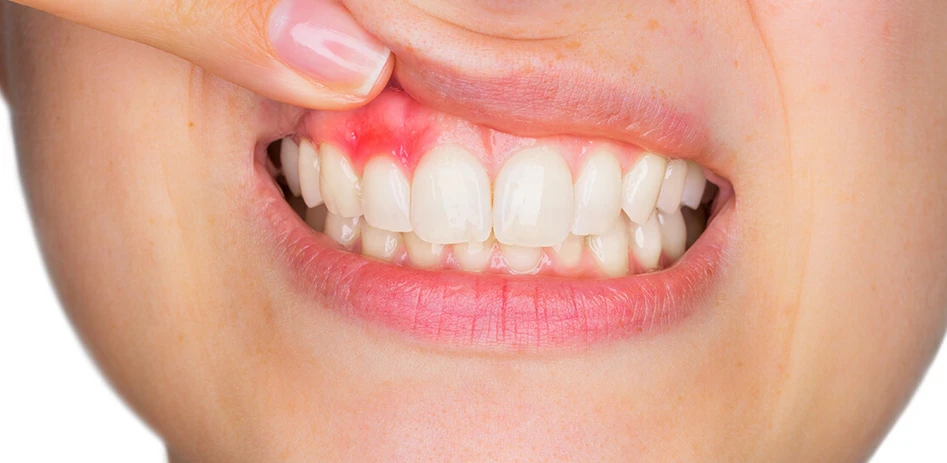
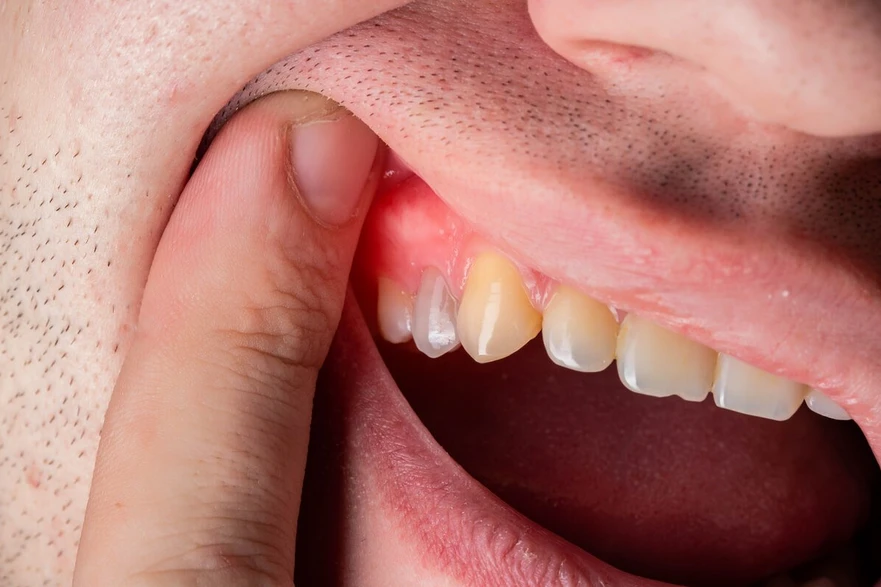
The symptoms of periodontitis can often be subtle, making early detection challenging. Initially, one might experience gum inflammation, characterised by redness and swelling. This early stage, known as gingivitis, is reversible with proper oral care. However, as periodontitis progresses, symptoms become more pronounced.
One of the telltale signs of periodontitis is persistent bad breath, often caused by the accumulation of bacteria and plaque. Individuals may also notice that their gums bleed during brushing or flossing, which is a significant warning sign that should not be ignored. As the condition advances, gaps or pockets may form between the teeth and gums, providing a breeding ground for bacteria. This pocket formation can lead to further tissue damage and, in severe cases, tooth mobility.
Pain is not always present in periodontitis, which is why many people may not seek treatment until the condition has progressed significantly. However, some individuals do report discomfort, particularly when chewing. The aesthetic effects of periodontitis can also be distressing; teeth may appear longer as the gums recede, and the overall smile may become less appealing. This not only affects dental health but can also have psychological implications, leading to a decline in self-esteem.
Treatment Options for Periodontitis
Addressing periodontitis requires a multifaceted approach tailored to the severity of the disease. For mild cases, professional dental cleaning can effectively remove plaque and tartar, allowing the gums to heal. Dentists often recommend more frequent cleanings and improved at-home care practices to prevent further progression. This may include the use of specific mouthwashes or toothpaste designed to combat gum disease.
For moderate to severe periodontitis, more intensive treatments may be necessary. Scaling and root planing, a deep cleaning procedure, involves the careful removal of plaque and tartar from the tooth surfaces and below the gum line. This process not only eliminates harmful bacteria but also smooths the tooth roots to promote healing of the gum tissue. Following this, dentists may prescribe antibiotics to help control infection and reduce inflammation, ensuring a more effective recovery.
In cases where periodontitis has led to significant bone loss, surgical interventions may be required. Procedures such as flap surgery allow the dentist to access deeper structures of the gums and bone, facilitating more thorough cleaning and repair. Bone grafts might also be considered to restore lost bone tissue and promote new growth. Additionally, regenerative procedures using guided tissue regeneration techniques can encourage the body to heal itself by promoting the growth of new bone and gum tissue.
Prevention plays a crucial role in managing periodontitis. Regular dental check-ups are essential, as they allow for early detection and intervention. Patients should also be encouraged to adopt a robust oral hygiene routine that includes brushing twice daily, flossing, and using an antibacterial mouthwash. Education on the importance of lifestyle choices, such as quitting smoking and maintaining a balanced diet, can significantly impact oral health and reduce the risk of periodontitis.
The Importance of Ongoing Care and Education
Beyond immediate treatment, managing periodontitis requires ongoing care and education. Patients need to understand the nature of their condition and the importance of adherence to prescribed treatments and preventive measures. Regular follow-up appointments allow dental professionals to monitor progress and make necessary adjustments to the treatment plan.
Furthermore, educating patients about the relationship between oral health and overall health is vital. Many individuals may not be aware that periodontal disease has been linked to systemic conditions such as heart disease and stroke. By fostering awareness, dental professionals can encourage patients to take their oral health seriously, recognising that it is an integral component of their overall well-being.
In summary, periodontitis is a complex condition with multifactorial causes that can lead to severe consequences if left untreated. Recognising the symptoms early and seeking appropriate treatment is crucial for maintaining oral health. Through a combination of professional care, patient education, and lifestyle modifications, it is entirely possible to manage periodontitis effectively, ensuring a healthier future for individuals and their smiles.



























Sign in to leave a comment.