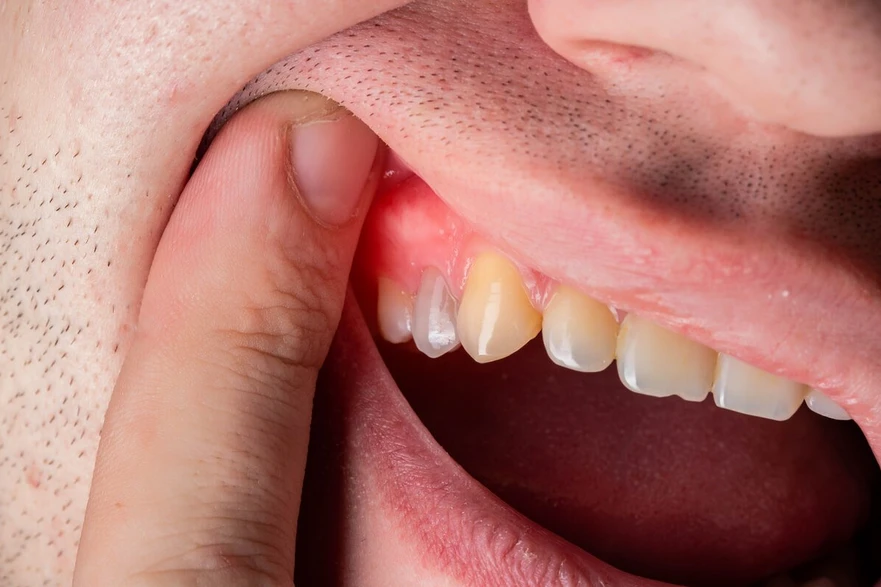

Gum infections, also known as periodontal infections, can lead to discomfort, inflammation, and even tooth loss if left untreated. They occur when bacteria accumulate along the gum line, leading to conditions such as gingivitis or more severe forms like periodontitis. While professional dental care is crucial for managing gum infections, there are effective treatments that can be implemented both at home and in the clinic.
This article explores various gum infection treatment options to alleviate symptoms and promote healing.
Recognising the Symptoms of Gum Infections
Before diving into treatment methods, it is essential to recognise the symptoms of gum infections. Early detection can significantly improve treatment outcomes. Common signs include:
- Swollen or Red Gums: Healthy gums should be firm and pink. If they appear swollen, red, or tender, this could indicate an infection.
- Bleeding Gums: Experiencing bleeding while brushing or flossing is a common symptom of gum disease and should not be ignored.
- Persistent Bad Breath: Halitosis or bad breath that does not improve with brushing may signal an underlying infection.
- Receding Gums: If the gums appear to be pulling away from the teeth, this could signify periodontal disease.
- Pain or Discomfort: Discomfort while chewing or a dull ache in the gums can also indicate an infection.
If you notice any of these symptoms, addressing them promptly is crucial to prevent further complications.
Home Remedies for Gum Infection Treatment
While professional dental intervention is often necessary, several home remedies can help alleviate symptoms and support healing. Here are some effective methods:
1. Salt Water Rinse
Rinsing your mouth with warm salt water can help reduce inflammation and promote healing. The salt acts as a natural disinfectant, helping to draw out excess fluid and soothe irritated gums. To prepare a salt water rinse, dissolve half a teaspoon of salt in a glass of warm water. Swish the solution around your mouth for 30 seconds before spitting it out. This rinse can be done several times a day, especially after meals.
2. Baking Soda Paste
Baking soda is another natural remedy known for its antibacterial properties. It can help neutralise acids in the mouth and reduce inflammation. To create a baking soda paste, mix one tablespoon of baking soda with a few drops of water to form a thick paste. Apply this paste directly to the affected gums and leave it on for a few minutes before rinsing with warm water. Alternatively, you can add baking soda to your regular toothpaste for enhanced cleaning.
3. Aloe Vera Gel
Aloe vera is renowned for its soothing properties and can help alleviate gum inflammation. Its natural antibacterial qualities make it an excellent choice for treating gum infections. Apply fresh aloe vera gel to the affected area and leave it on for about 20 minutes before rinsing. This can be done twice daily to help reduce swelling and promote healing.
4. Tea Tree Oil
Tea tree oil is a powerful natural antiseptic that can help combat bacteria responsible for gum infections. To use tea tree oil, dilute a few drops in a carrier oil, such as coconut oil, and apply it to the gums using a cotton ball. Avoid swallowing tea tree oil, as it can be toxic in large quantities. This treatment can be repeated once or twice daily to help reduce inflammation and fight infection.
5. Turmeric Paste
Turmeric contains curcumin, which has anti-inflammatory and antibacterial properties. Creating a turmeric paste can help soothe inflamed gums. Mix one teaspoon of turmeric powder with a few drops of water to form a paste. Apply it gently to the affected gums and leave it on for about 10 minutes before rinsing with warm water. This can be done once daily for best results.
6. Clove Oil
Clove oil has been traditionally used for its analgesic and antiseptic properties. It can help numb the pain and reduce inflammation associated with gum infections. To use clove oil, apply a few drops to a cotton ball and gently press it against the affected area for a few minutes. Alternatively, you can mix clove oil with a carrier oil and massage it into the gums. However, be cautious with the quantity, as clove oil is potent.
Professional Treatments for Gum Infections
While home remedies can be effective for mild gum infections, it is essential to seek professional treatment for more severe cases. Dental professionals have access to advanced tools and techniques that can address gum infections effectively. Here are some common professional treatments:
1. Deep Cleaning (Scaling and Root Planing)
Deep cleaning, also known as scaling and root planing, is a common procedure for treating gum infections. During this treatment, the dentist or dental hygienist will remove plaque and tartar buildup from above and below the gum line. This process helps to eliminate bacteria and smooth the root surfaces, making it more difficult for plaque to accumulate in the future. Deep cleaning is often performed under local anaesthesia for patient comfort.
2. Antibiotics
In some cases, your dentist may prescribe antibiotics to help eliminate the infection. These can be in the form of oral medications or localised treatments, such as antibiotic gels that are applied directly to the affected gums. Antibiotics can help reduce the bacterial load and support healing, especially in conjunction with deep cleaning.
3. Antiseptic Mouthwash
Your dentist may recommend a prescription-strength antiseptic mouthwash to help control bacteria and reduce inflammation. These mouthwashes often contain chlorhexidine, which is effective in killing bacteria and promoting gum health. It is essential to follow your dentist's instructions on how to use these mouthwashes for optimal results.
4. Surgical Procedures
In advanced cases of gum disease, surgical intervention may be necessary. Procedures such as flap surgery or bone grafting can help restore gum health and support the underlying bone structure. Flap surgery involves lifting the gums to access deeper areas for cleaning, while bone grafting can be used to regenerate lost bone tissue.
5. Regular Dental Check-Ups
Maintaining regular dental check-ups is crucial for preventing gum infections and addressing any issues before they escalate. During these visits, your dentist will assess your gum health, provide professional cleanings, and offer personalised advice on maintaining good oral hygiene practices.
Preventative Measures for Gum Health
Preventing gum infections is often more effective than treating them once they occur. Here are some essential preventative measures to incorporate into your daily routine:
- Maintain Good Oral Hygiene: Brush your teeth at least twice a day with fluoride toothpaste and floss daily to remove plaque and food particles.
- Use an Antimicrobial Mouthwash: Consider using an antimicrobial mouthwash to help control bacteria and promote gum health.
- Eat a Balanced Diet: A diet rich in vitamins and minerals, particularly vitamin C and calcium, can support gum health. Incorporate plenty of fruits, vegetables, lean proteins, and whole grains into your meals.
- Stay Hydrated: Drinking plenty of water helps maintain saliva production, which is essential for neutralising acids and washing away bacteria.
- Avoid Tobacco Products: Smoking and tobacco use can significantly increase the risk of gum disease and hinder healing. If you use tobacco, seeking support to quit can improve your gum health.
- Manage Stress: High stress levels can negatively impact your immune system, making you more susceptible to infections. Engage in stress-relieving activities such as exercise, meditation, or hobbies.
Recognising the Importance of Gum Health
Gum infections can have a profound impact on overall dental health, leading to complications if left untreated. By recognising the symptoms early and taking appropriate action—whether through home remedies or seeking professional care—you can effectively manage and treat gum infections. Maintaining good oral hygiene practices and adopting preventative measures can go a long way in ensuring that your gums remain healthy and free from infection. If you suspect a gum infection, don’t hesitate to consult a dental professional for guidance and treatment tailored to your specific needs. Your smile deserves the best care possible.






























Sign in to leave a comment.