

Gum health is a crucial aspect of overall dental hygiene, yet it is often overlooked. Many individuals experience various gum problems throughout their lives, which can lead to more severe dental issues if left untreated.
This article will explore common gum problems, their causes, symptoms, and effective gum treatment to maintain optimal gum health.
Understanding Gum Disease
Gum disease, also known as periodontal disease, is primarily caused by the accumulation of plaque, a sticky film of bacteria that forms on teeth. If not removed through regular brushing and flossing, plaque can harden into tartar, leading to inflammation of the gums.
Types of Gum Disease
There are two main types of gum disease:
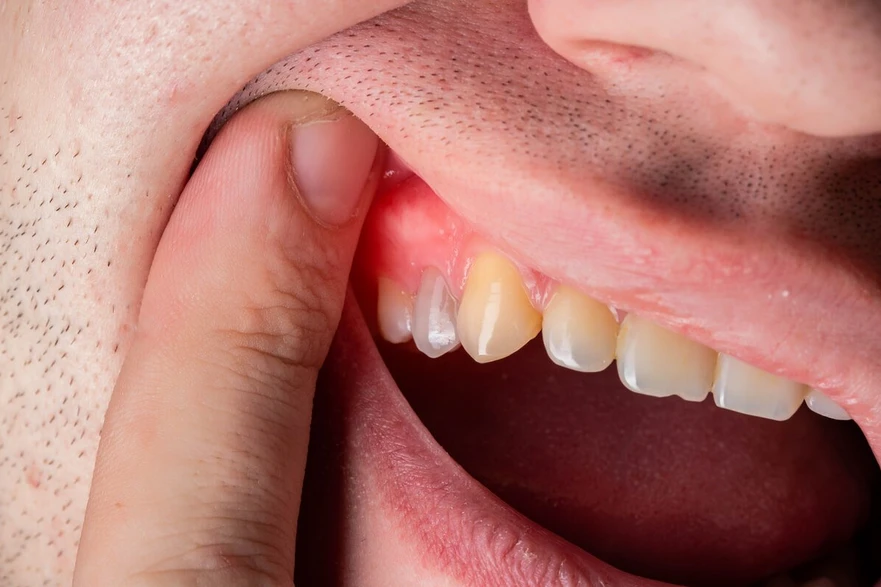
- Gingivitis: This is the initial stage of gum disease, characterised by redness, swelling, and bleeding of the gums, particularly when brushing or flossing. Gingivitis is usually reversible with proper dental care and improved oral hygiene practices.
- Periodontitis: If gingivitis is left untreated, it can progress to periodontitis, a more severe condition. In this stage, the inflammation can cause the gums to pull away from the teeth, forming pockets that become infected. This can lead to the loss of tooth-supporting bone and, ultimately, tooth loss.
Common Gum Problems
1. Bleeding Gums
One of the most common symptoms of gum disease is bleeding gums. This usually occurs during brushing or flossing, indicating that the gums are inflamed. Bleeding gums can result from poor oral hygiene, hormonal changes, or certain medical conditions.
Gum Treatment for Bleeding Gums
To treat bleeding gums, it is essential to improve oral hygiene. Regular brushing with fluoride toothpaste and daily flossing can help remove plaque and bacteria. Additionally, using an antimicrobial mouthwash can reduce inflammation. If the problem persists, visiting a dentist for a professional cleaning is advisable.
2. Swollen Gums
Swollen gums often accompany bleeding and are a sign of inflammation. This condition can be caused by plaque buildup, food particles trapped between teeth, or certain medications.
Gum Treatment for Swollen Gums
To alleviate swollen gums, maintain a diligent oral hygiene routine. Rinsing with warm salt water can help reduce inflammation and promote healing. If swollen gums do not improve, professional dental treatment may be necessary to address the underlying causes.
3. Receding Gums
Gum recession occurs when the gum tissue pulls away from the teeth, exposing more of the tooth or its root. This condition can result from aggressive brushing, gum disease, or hormonal changes.
Gum Treatment for Receding Gums
Receding gums require careful management. Using a soft-bristled toothbrush and gentle brushing techniques can help prevent further recession. In some cases, dental procedures such as gum grafting may be necessary to restore lost gum tissue.
4. Gum Abscess
A gum abscess is a painful collection of pus that forms in the gums due to bacterial infection. It often results from untreated gum disease or a dental injury.
Gum Treatment for Gum Abscess
Immediate dental attention is crucial for a gum abscess. Treatment typically involves draining the abscess and addressing the underlying infection, often with antibiotics. Maintaining excellent oral hygiene is essential to prevent future abscesses.
5. Halitosis
Chronic bad breath, or halitosis, can often be linked to gum problems. Bacteria in the mouth, particularly in the gums, can produce foul-smelling compounds.
Gum Treatment for Halitosis
To combat bad breath, it is important to maintain a comprehensive oral hygiene routine, including regular brushing, flossing, and the use of mouthwash. Drinking plenty of water and chewing sugar-free gum can also help stimulate saliva production, which naturally cleanses the mouth.
Preventative Measures for Gum Health
Preventing gum problems is largely achievable through diligent oral hygiene and regular dental check-ups. Here are some effective strategies:
1. Regular Dental Visits
Visiting the dentist at least twice a year for check-ups and professional cleanings can help identify and treat gum issues before they escalate. Dentists can provide tailored advice and treatments based on individual needs.
2. Proper Brushing Techniques
Using a soft-bristled toothbrush and brushing at a 45-degree angle to the gum line can help remove plaque effectively without damaging the gums. It is recommended to brush at least twice a day for two minutes each time.
3. Flossing Daily
Flossing removes food particles and plaque from between teeth and along the gum line where a toothbrush cannot reach. Daily flossing is crucial for maintaining gum health and preventing gum disease.
4. Healthy Diet
A balanced diet rich in vitamins and minerals, particularly vitamin C and calcium, supports gum health. Foods that are high in fibre can also help clean the teeth naturally and stimulate gum health.
5. Avoiding Tobacco Products
Tobacco use is a significant risk factor for gum disease and other oral health problems. Quitting smoking or using tobacco products can greatly improve gum health and overall well-being.
When to Seek Professional Help
It is essential to seek professional dental help if you experience persistent symptoms such as:
- Severe gum bleeding
- Persistent bad breath
- Painful or swollen gums
- Loose teeth
Early intervention can prevent more severe gum disease and tooth loss, making it vital to address any concerning symptoms promptly.
Effective Gum Treatments
Several gum treatments are available, ranging from non-invasive to surgical options, depending on the severity of the gum condition.
Non-Surgical Treatments
- Scaling and Root Planing: This deep cleaning procedure removes plaque and tartar below the gum line, promoting gum reattachment to the teeth.
- Antibiotic Treatments: These may include topical antimicrobials or systemic antibiotics to help control infection and inflammation.
Surgical Treatments
In more advanced cases of gum disease, surgical procedures may be necessary, such as:
- Flap Surgery: This involves lifting the gums to clean the roots of the teeth and then suturing them back in place.
- Bone Grafts: If bone loss has occurred, grafting can help regenerate lost bone and support the teeth.
Final Thoughts
Maintaining gum health is essential for overall dental wellness. By recognising common gum problems and understanding the appropriate treatments, individuals can take proactive steps to protect their gums. Regular dental visits, proper oral hygiene, and a healthy lifestyle are key components in preventing gum disease and ensuring a bright, healthy smile.




























Sign in to leave a comment.