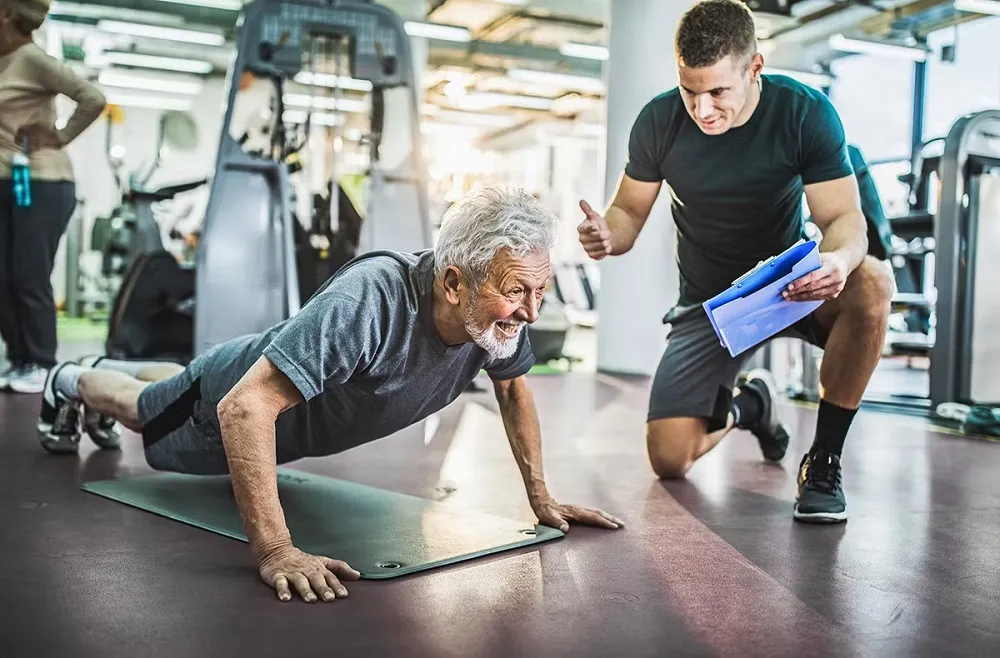
Aging doesn’t mean surrendering to a sedentary lifestyle. Older adults are embracing fitness to maintain independence, boost energy, and reduce fall risks. However, exercising safely becomes paramount when managing conditions like arthritis, osteoporosis, or high blood pressure. This is where specialized personal trainers for seniors make a transformative difference. They design gentle, effective programs that respect the body’s limits while steadily building strength and confidence.
How Personal Trainers for Seniors Tailor the Fitness Journey
Certified personal trainers for seniors begin with a thorough health screening and mobility assessment. They consult with the client’s physician when needed, ensuring no hidden risks. The goal is progression without pain—every exercise is chosen to improve function, not to push through discomfort.
Key Steps in a Senior-Friendly Session
- Low-impact warm-up (5–10 minutes): Seated marching, ankle circles, and arm swings to increase blood flow without jarring joints.
- Balance training: Standing heel-to-toe walks near a sturdy chair, single-leg stands (holding support), and tandem stance exercises to prevent falls.
- Strength with resistance bands: Seated rows, bicep curls, and leg presses using bands—no heavy weights that strain tendons.
- Range-of-motion drills: Gentle neck turns, shoulder rolls, and wrist flexes to ease stiffness from conditions like frozen shoulder.
- Cool-down and stretching: Seated forward fold, calf stretches, and deep breathing to lower heart rate gradually.
All exercises are performed at a slow, controlled pace. A personal trainer San Diego - Iron Orr Fitness never forces a movement that causes sharp pain, and they emphasize proper form over repetitions. For example, a squat is modified to a sit-to-stand from a padded chair, protecting the knees and lower back.
The Holistic Approach to Senior Fitness
Beyond the workout, these professionals educate seniors on hydration, joint-friendly posture, and recognizing warning signs like dizziness. Personal trainers for seniors also foster social connection, which combats isolation—a common barrier to sticking with exercise. Whether you’re looking for personal training San Diego or exploring options elsewhere, the core principle remains: respect the aging body while challenging it just enough to thrive. In fact, many top-rated programs, such as personal training - Iron Orr Fitness, highlight how one-on-one attention reduces injury risk and accelerates results for older clients.
By consistently applying these methods, personal trainers for seniors help clients walk farther, climb stairs more easily, and enjoy hobbies like gardening without fear of falling. The result is not just a stronger body but a renewed sense of freedom.
Frequently asked questions
Q: Is it safe if I have osteoporosis?
A: Yes, but your trainer will avoid spinal flexion (like toe touches) and high-impact moves, focusing instead on posture-strengthening and weight-bearing exercises like standing leg lifts.
Q: How often should a senior train?
A: Two to three 30–45 minute sessions per week, with rest days in between, are ideal for older adults.
Q: What if I need to exercise from a chair?
A: Seated workouts are highly effective. Chair yoga, seated punches, and leg extensions build strength without joint stress.
Q: Can personal training help with balance problems?
A: Absolutely, specific drills like weight shifts, heel raises, and using a balance pad (with support nearby) directly improve stability.
Q: How soon will I see results?
A: Many seniors notice better energy and steadier walking within 4–6 weeks, with measurable strength gains in 8–12 weeks of consistent training.




















Sign in to leave a comment.