

Pests can be a persistent problem, invading our homes and disrupting our peace of mind. Whether it's ants in the kitchen, mice in the attic, or termites in the walls, pest infestations can cause significant damage and pose health risks. However, the good news is that you can take proactive steps to pest-proof your home and prevent future infestations. In this blog, Rodent Control Whittlesea will explore essential strategies and steps to make your home less attractive to pests and create a pest-resistant environment.
Identify Potential Entry Points
One of the first steps in pest-proofing your home is identifying potential entry points. Pests can exploit even the tiniest cracks and gaps to gain access to your home. Here's what you can do:
Inspect Doors and Windows: Check for gaps around doors and windows. Replace weather stripping if damaged and ensure screens are intact.
Seal Cracks and Holes: Inspect your home's exterior for cracks, holes, and gaps in the foundation, walls, and roof. Seal any openings with caulk or patching materials.
Attic and Basement: Pay special attention to your attic and basement, as these areas are common entry points for pests. Seal off access points for wires, pipes, and vents.
Maintain a Clean Environment
A clean and well-maintained home is less appealing to pests. Here are some cleaning and hygiene practices to follow:
Regular Cleaning: Keep your home clean by regularly sweeping, vacuuming, and mopping floors. Don't forget to clean under appliances and furniture.
Store Food Properly: Store food in airtight containers to prevent attracting pests like ants and rodents. Clean up crumbs and spills promptly.
Trash Management: Use sealed trash cans, and empty them regularly. Make sure your outdoor trash bins have tight-fitting lids.
Pet Care: If you have pets, clean their food and water bowls daily, and store pet food in airtight containers.
Landscaping and Yard Maintenance
Your outdoor spaces can also impact pest control efforts:
Trim Trees and Bushes: Trim trees and bushes away from your home to prevent pests from using branches as a bridge to access your house.
Eliminate Standing Water: Puddles and standing water are breeding grounds for mosquitoes. Ensure proper drainage and eliminate stagnant water sources.
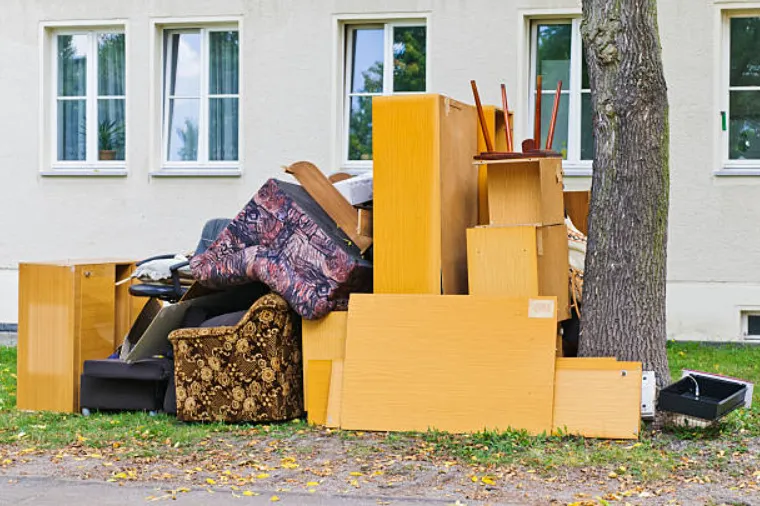
Regular Yard Maintenance: Keep your yard tidy by removing debris, leaf piles, and clutter that can provide hiding spots for pests.
Pest-Resistant Materials
Consider using pest-resistant materials when making home improvements:
Screened Vents: Install fine mesh screens on vents and openings to prevent pests from entering your attic or crawl spaces.
Pest-Resistant Building Materials: When renovating or building, opt for pest-resistant materials like pressure-treated wood and concrete.
Professional Pest Control Services
Sometimes, professional help is necessary:
Regular Pest Inspections: Schedule regular pest inspections with a licensed pest control professional to catch problems early.
Preventive Treatments: Consider preventive pest control treatments that create a barrier around your home, deterring pests from entering.
Conclusion
Pest-proofing your home is a proactive approach to preventing future infestations. By identifying potential entry points, maintaining cleanliness, taking care of your yard, and considering pest-resistant materials, you can make your home less attractive to unwanted guests. Don't hesitate to seek professional help when needed, as a pest-free home contributes to a healthier and more comfortable living environment for you and your family. Remember that regular maintenance and vigilance are key to long-term success in keeping pests at bay.
























Sign in to leave a comment.