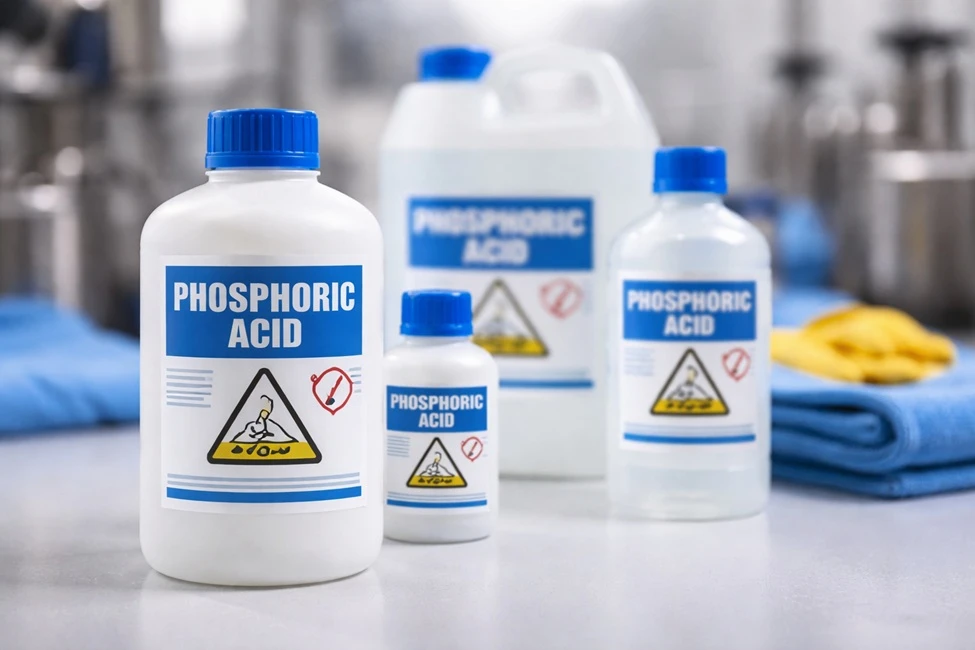

Phosphoric Acid plays an important role in modern cleaning across Australian homes, businesses, and industries. It is widely valued for its ability to remove mineral deposits, rust, scale, and stubborn stains without damaging many common surfaces. In the first paragraph, it is important to understand that Phosphoric Acid is a versatile cleaning agent that balances strong performance with controlled action, making it suitable for both light domestic use and heavy industrial cleaning tasks. Its effectiveness, availability, and predictable behaviour have made it a trusted choice in Australia for decades.
This article explains how phosphoric acid works in cleaning, where it is commonly used, why it suits Australian conditions, and how it can be applied safely and responsibly.
What Is Phosphoric Acid?
Phosphoric Acid is a clear, colourless acid made from phosphorus. It is less aggressive than some mineral acids, such as hydrochloric acid, but still strong enough to break down mineral buildup, corrosion, and hard water scale. This balance is the reason it is often selected for cleaning applications where surface protection matters.
In Australia, phosphoric acid is commonly found in commercial cleaners, food-safe cleaning solutions, rust removers, and descaling products. It is also used in diluted form for regular maintenance cleaning rather than only heavy-duty tasks.
How Phosphoric Acid Works in Cleaning?
Reaction With Mineral Deposits
One of the main cleaning strengths of phosphoric acid is its reaction with mineral deposits. Hard water in many parts of Australia contains calcium and magnesium, which leave white scale on taps, tiles, and equipment. Phosphoric acid reacts with these minerals and converts them into water-soluble compounds that can be rinsed away easily.
This reaction makes cleaning faster and reduces the need for harsh scrubbing, which helps protect surfaces from wear.
Rust and Corrosion Removal
Phosphoric acid is widely used to remove rust from metal surfaces. It works by converting iron oxide into a stable phosphate layer. This process removes visible rust while also slowing further corrosion.
Because of this action, phosphoric acid is commonly used for cleaning tools, machinery, automotive parts, and metal fixtures in workshops and industrial settings across Australia.
Common Cleaning Applications in Australia
Bathroom and Kitchen Cleaning
In residential cleaning, phosphoric acid is often used in bathroom and kitchen cleaners. It is effective against limescale on taps, shower screens, and tiles. It also helps remove soap scum and mineral residue without strong fumes.
Australian households benefit from this type of cleaner because water hardness varies widely by region, and mineral buildup can become a regular issue.
Commercial and Hospitality Cleaning
Hotels, restaurants, and commercial kitchens rely on phosphoric acid cleaners for hygiene and presentation. It is often used to clean stainless steel surfaces, dishwashers, coffee machines, and food preparation areas.
Phosphoric acid is preferred in many food-related environments because it can be formulated to meet food safety standards when used correctly and rinsed properly.
Industrial Equipment Cleaning
In industrial environments, phosphoric acid is used to clean boilers, heat exchangers, pipelines, and processing equipment. Scale buildup can reduce efficiency and increase energy costs, so regular cleaning is essential.
Australian industries such as manufacturing, mining, and food processing use phosphoric acid to maintain equipment performance while minimising damage to metal surfaces.
Automotive and Mechanical Use
Phosphoric acid is commonly used in automotive workshops to clean engine parts, remove rust from panels, and prepare metal surfaces before painting. The phosphate layer formed during cleaning improves paint adhesion and surface durability.
This application is especially useful in coastal areas of Australia where salt air increases the risk of corrosion.
Benefits of Using Phosphoric Acid for Cleaning
Effective but Controlled Strength
Phosphoric acid offers strong cleaning power without extreme aggression. This makes it suitable for repeated use on sensitive surfaces such as stainless steel, ceramic tiles, and some plastics when used at correct concentrations.
Reduced Surface Damage
Compared to stronger acids, phosphoric acid reduces the risk of pitting, etching, and long-term surface damage. This is important in both homes and commercial spaces where appearance and longevity matter.
Suitable for Hard Water Conditions
Many regions in Australia experience hard water issues. Phosphoric acid is particularly effective in these conditions, as it targets the mineral content directly rather than masking the problem.
Wide Range of Applications
From household cleaning to industrial maintenance, phosphoric acid can be adapted to many tasks. This versatility reduces the need for multiple specialised cleaning products.
Safety Considerations for Cleaning Use
Proper Dilution and Handling
While phosphoric acid is safer than many strong acids, it still requires careful handling. Most cleaning products contain diluted forms that are safe when used as directed. Concentrated solutions should always be diluted correctly before use.
Protective gloves and eye protection are recommended in commercial and industrial settings to reduce the risk of irritation.
Ventilation and Rinsing
Good ventilation is important when using phosphoric acid cleaners indoors. After cleaning, surfaces should be rinsed thoroughly with water to remove any residue, especially in food preparation areas.
Storage and Labelling
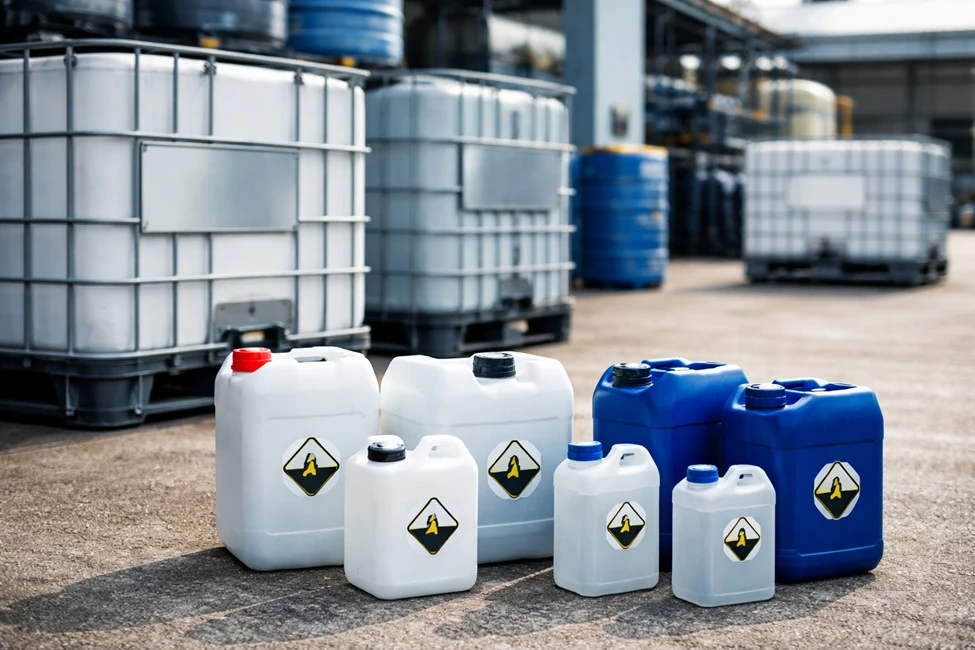
In Australia, phosphoric acid products should be stored in clearly labelled containers and kept away from children and pets. Storage areas should be cool, dry, and well ventilated.
Environmental Impact and Responsible Use
Phosphoric acid is biodegradable and breaks down into naturally occurring phosphate compounds. However, excessive discharge into waterways can contribute to nutrient imbalance and algal growth.
Responsible use involves following product instructions, avoiding unnecessary overuse, and disposing of cleaning solutions according to local Australian regulations. Many modern cleaners are designed to minimise environmental impact while maintaining cleaning performance.
Phosphoric Acid vs Other Cleaning Acids
Compared to hydrochloric acid, phosphoric acid is less corrosive and produces fewer harsh fumes. This makes it more suitable for indoor and regular cleaning tasks.
Compared to citric acid, phosphoric acid offers stronger action on heavy scale and rust. Citric acid is often used for light cleaning, while phosphoric acid handles more demanding applications.
This balance places phosphoric acid in a preferred middle position for many Australian cleaning needs.
Choosing the Right Phosphoric Acid Cleaner
When selecting a cleaner, it is important to consider surface type, level of buildup, and usage frequency. Household products usually contain lower concentrations suitable for regular maintenance. Commercial and industrial products offer higher concentrations for tougher tasks.
Reading product labels and safety data ensures correct application and helps achieve the best cleaning results without unnecessary risk.
Future Trends in Cleaning Applications
As Australia continues to focus on sustainability and efficiency, phosphoric acid remains relevant due to its effectiveness at low concentrations. Manufacturers are developing improved formulations that combine phosphoric acid with biodegradable surfactants to enhance cleaning while reducing environmental impact.
This approach supports cleaner surfaces, longer equipment life, and responsible chemical use across industries.
Conclusion
Phosphoric Acid for cleaning applications offers a reliable, effective, and versatile solution for Australian households, businesses, and industries. Its ability to remove scale, rust, and mineral deposits while protecting surfaces makes it a practical choice in varied environments.
When used correctly, phosphoric acid supports efficient cleaning, improved hygiene, and long-term surface care. Its continued use in Australia reflects a balance between performance, safety, and environmental responsibility, making it a valuable component of modern cleaning practices.
























Sign in to leave a comment.