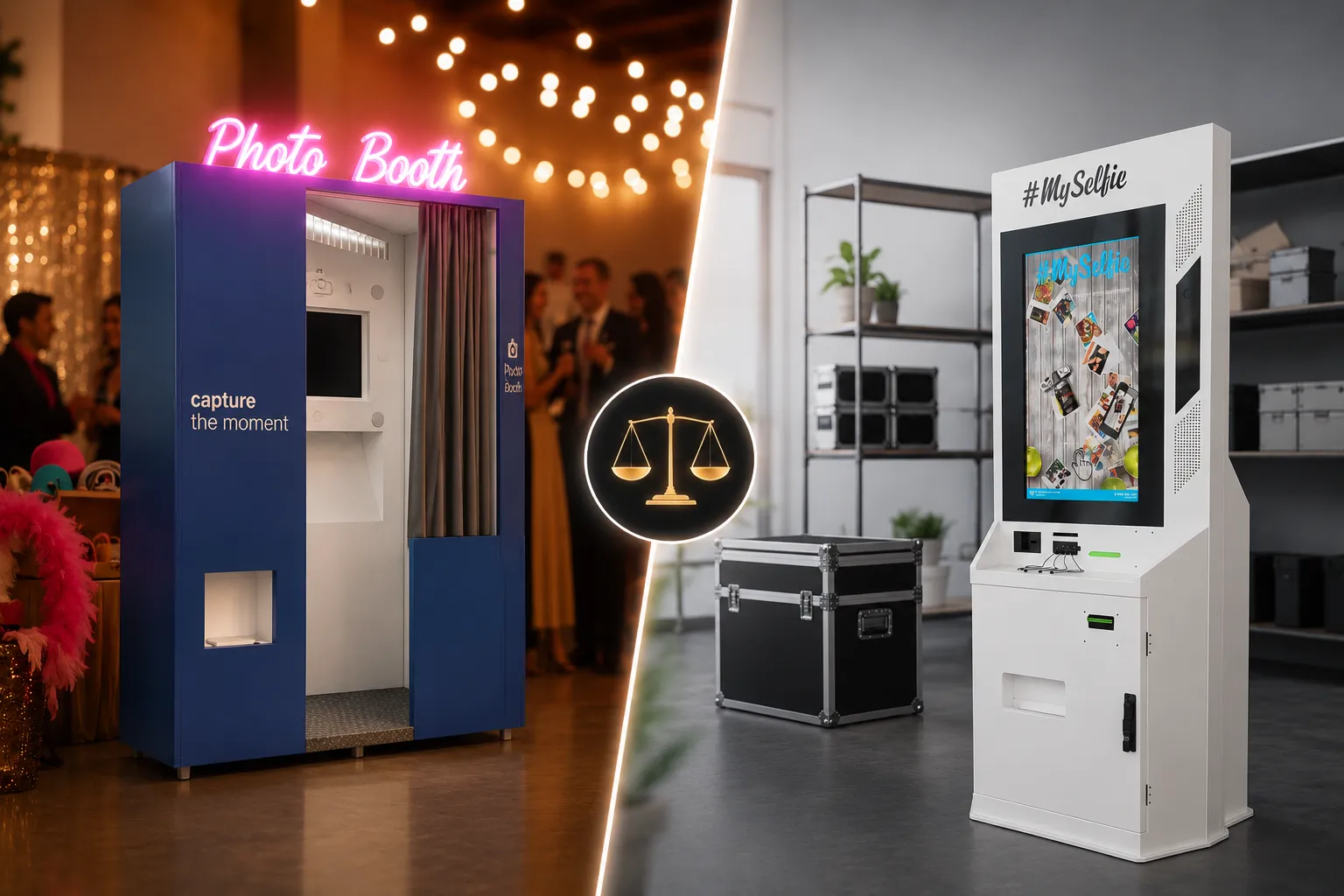
Brands looking for a commercial photo booth usually compare two options. One is a managed photobooth vending partnership. The other is a long-term rental agreement. For most high-traffic venues, the better choice depends less on the booth itself and more on who handles the daily work behind it.
A photobooth rental partnership is a revenue-sharing model where the provider manages installation, maintenance, monitoring, and support. A rental model gives the venue more control, but it also adds more responsibility.
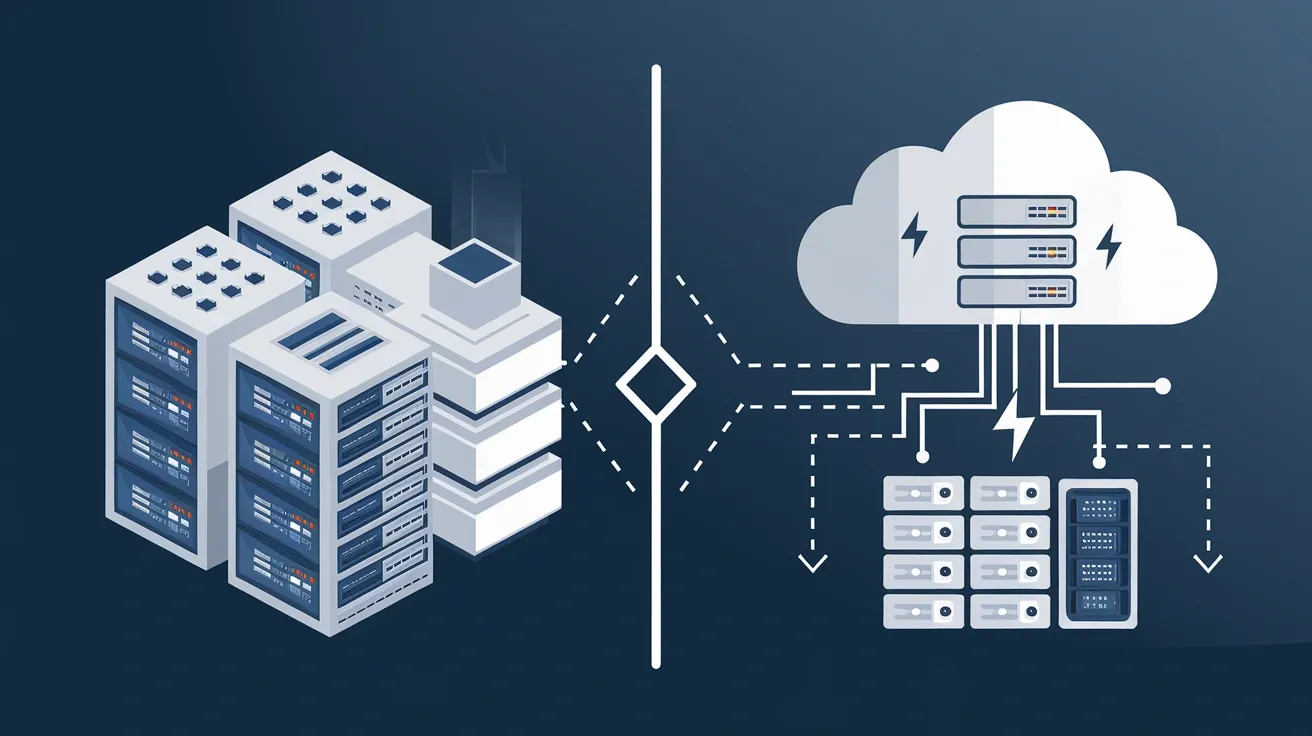
What Is the Difference Between Photobooth Vending and Long-Term Rental?
The main difference comes down to operations. In a vending partnership, the supplier manages the booth. In a rental arrangement, the venue usually handles much of the day-to-day oversight.
How the Vending Model Works
The provider installs the booth and monitors it remotely. They manage maintenance, software updates, and technical support. Revenue is shared between both parties.
How the Rental Model Works
The venue pays a rental fee and operates the booth on site. Staff often take care of supplies, basic troubleshooting, and reporting. The venue keeps greater control over operations but takes on more tasks.
This distinction becomes important when looking at the real costs of ownership.
What Hidden Costs Do Venues Often Miss?
The largest expenses are not always listed in the agreement. They often appear through staff time, consumables, and operational disruptions.
The Supply Chain Reality
A commercial booth is not simply a machine sitting in a corner. It is an active print system.
High-usage locations can go through large amounts of triple-strip photo paper. Someone must monitor stock levels, reorder supplies, and replace materials when needed.
This is why many operators spend time understanding the true cost of photo booth ownership before choosing a model.
Why Downtime Costs More Than Supplies
A missing paper roll can stop photo sales completely. A small issue can quickly turn into lost revenue.
More importantly, guests expect the booth to work every time. Technical problems can create frustration and reduce participation.
Which Model Gives Brands More Marketing Flexibility?
The answer often comes down to software.
Managed vending systems usually allow ongoing updates without requiring action from venue staff. This gives brands more flexibility throughout the year.
Many modern systems support:
• Seasonal photo experiences
• New filters
• Updated screen graphics
• QR code promotions
• Loyalty offers
Under many rental agreements, the software stays largely unchanged until the contract period ends.
This can limit marketing opportunities over time.
What Happens When a Booth Stops Working During Peak Hours?
The biggest difference between both models often appears when something goes wrong.
The Saturday Night Paper Jam Scenario
Picture a busy venue during its highest traffic period. The printer jams or the camera loses connection.
Under a standard rental agreement, a team member may need to leave customer service duties and investigate the issue.
That creates delays and reduces productivity.
The Zero-Friction Vending Approach
Managed vending providers typically monitor booth performance remotely.
Many issues can be detected before venue staff notice them. Remote diagnostics often reduce downtime and help keep operations running smoothly.
This creates a better experience for both visitors and management teams.
Which Model Creates More Predictable Revenue?
Predictable revenue matters because it makes budgeting easier.
For many operators, risk management is just as important as total income.
Photo booth long-term rental
A photo booth long-term rental agreement usually comes with fixed costs. The venue pays regardless of booth performance.
A vending partnership works differently. Revenue is generated through usage, and the provider shares in the outcome.
- Under a vending model:
- No installation expenses
- No maintenance bills
- No consumable management
- Shared financial incentives
Under a rental model:
- Greater operational control
- Fixed commitments
- More management responsibility
Neither approach is automatically better. The right fit depends on available resources and business goals.
Which Model Offers Better Branding and Customisation?
Both options support branding. The difference is often how easily updates can be made.
Physical Customisation Options
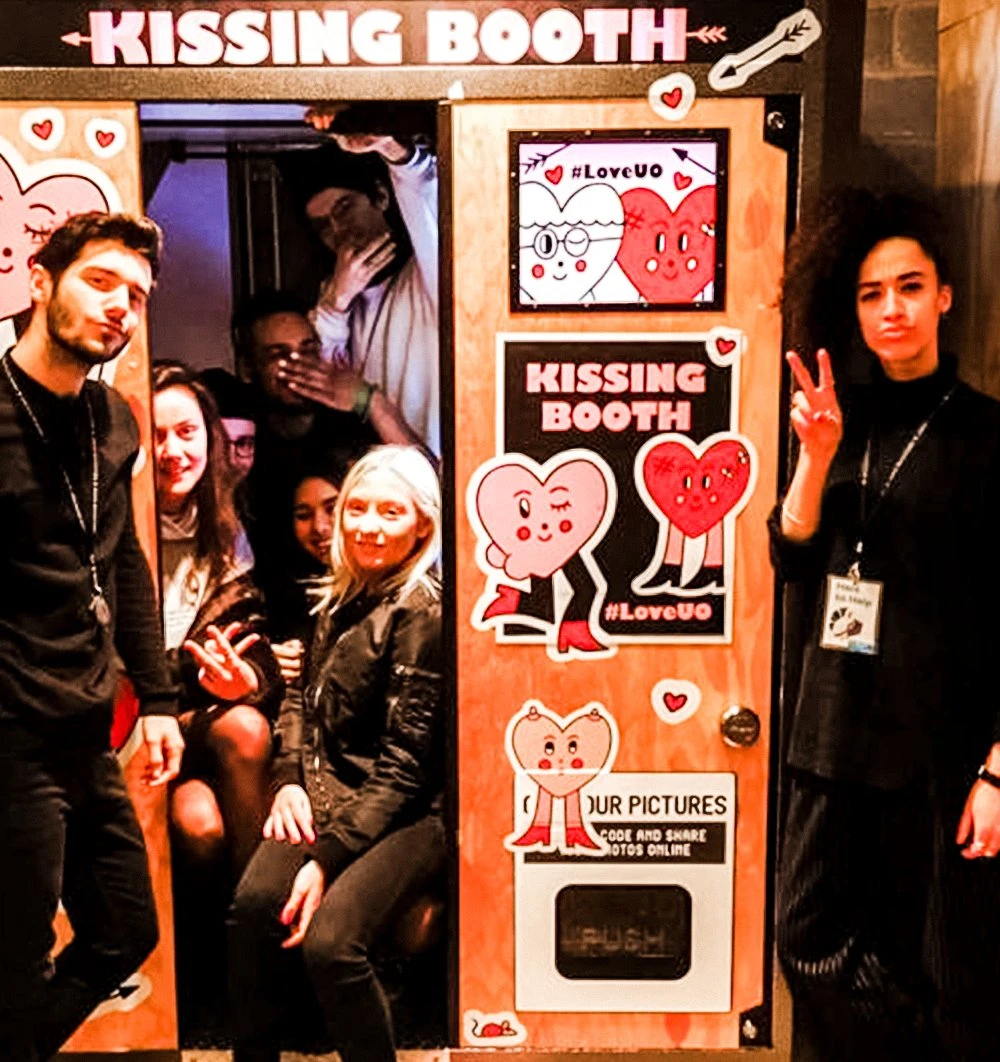
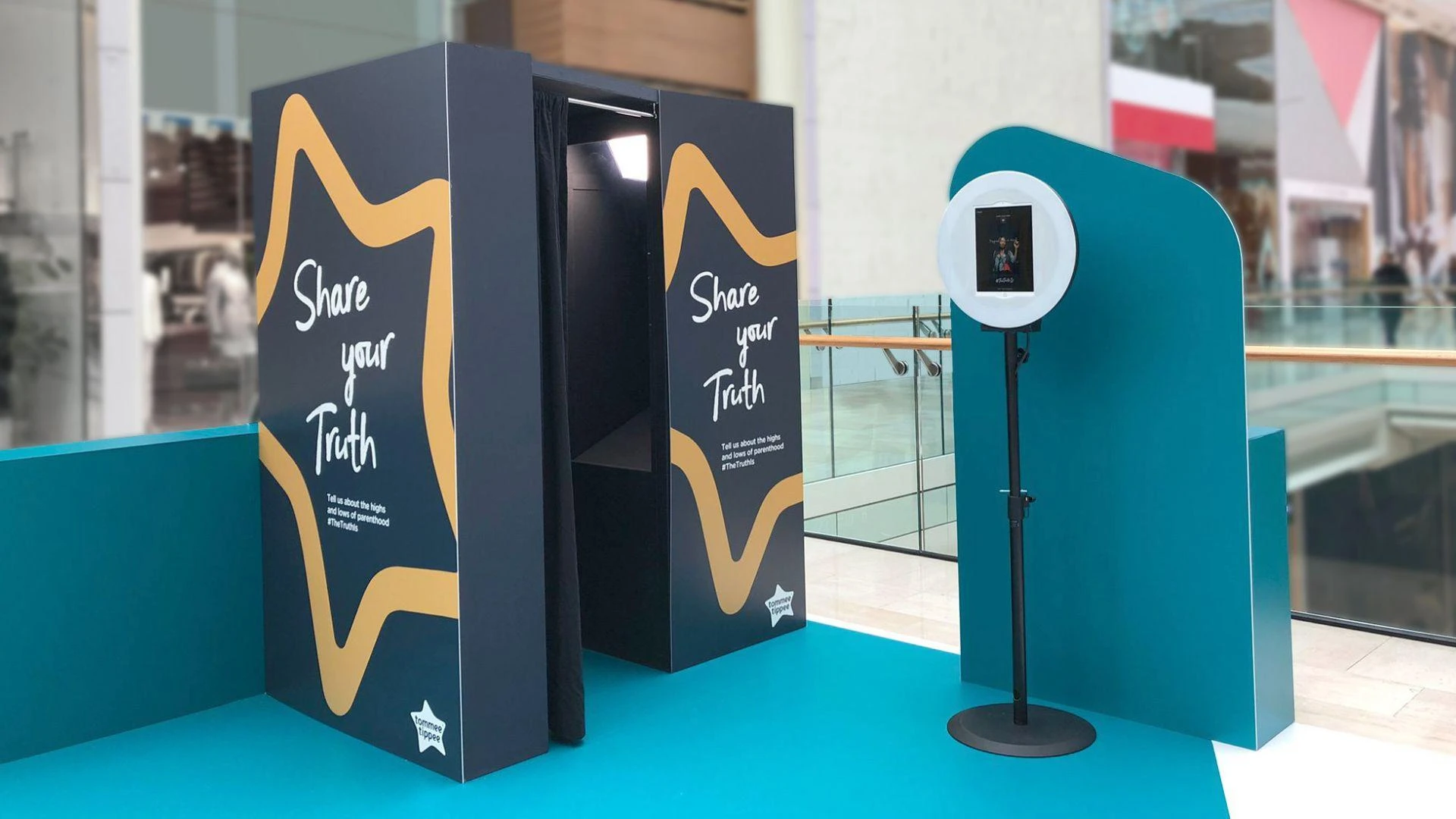
Commercial providers can build booths that match a venue's design.
These may include retro-style units, outdoor installations, branded interiors, or replica phone booths.
The goal is to make the booth feel like part of the environment rather than a separate attraction.
Enterprise Campaign Control
Modern booth software can support the following:
- QR codes on prints
- Promotional offers
- Loyalty campaigns
- Custom-branded screens
- Repeat visit incentives
This transforms the booth from a simple photo station into a marketing tool.
Why Do Shared Incentives Matter?
This is a point many comparison articles overlook. The lowest monthly cost does not always produce the best results. In a rental agreement, the supplier receives payment whether the booth performs well or not.
In a vending partnership, both parties benefit from stronger usage and better customer engagement.
That alignment creates a reason to improve placement, maintain performance, and keep the experience fresh. For venues focused on long-term success, this shared interest can be valuable.
Which Model Performs Better Overall?
For businesses that want fewer operational responsibilities, vending partnerships often provide stronger long-term performance. The provider handles maintenance, monitoring, and updates while the venue focuses on serving customers.
Rental agreements can still work well when a business has the time, staff, and resources to manage the booth internally. The strongest choice is usually the one that keeps the booth active, visible, and consistently used.
Comparing Suppliers and Finding the Right Fit
Different providers offer different approaches.
Companies such as The Photo Booth Company, Face Place Photo Booths, and Apple Industries all operate within the commercial photo booth space, though their service models vary.
Before choosing a supplier, it helps to compare support levels, software flexibility, maintenance responsibilities, and revenue structures. Looking beyond the monthly fee often provides a clearer picture of long-term value.
FAQs
What is a photobooth vending partnership?
It is a managed revenue sharing model where the provider handles installation, support, monitoring, and maintenance.
Is long-term rental cheaper than vending?
Not always. Rental costs can be predictable, but venues may still face supply, maintenance, and staffing expenses.
Who handles maintenance in a vending model?
The provider usually manages maintenance, software updates, and technical support.
Can vending booths support branded promotions?
Yes. Many systems support QR codes, promotional offers, loyalty campaigns, and branded content.
Which model works best for high-traffic venues?
High-traffic locations often benefit from managed vending partnerships because they reduce operational workload while helping maintain uptime.





















Sign in to leave a comment.